Choosing an engagement ring should feel like a conversation, not a quiz. It begins with a story and unfolds into the shape, color, and light that reflect your life together. At AW Jewelry, we help you translate technical terms like cut, color, clarity, and carat into choices that simply feel right in your hand.

Where Should You Begin When Choosing an Engagement Ring?
Start with the person, not the diamond. Think about how they live, the jewelry they reach for, the gestures they make, the rhythm of their days. From there, patterns emerge: do they lean toward clean and modern, romantic and soft, or classic with a vintage soul?
Once you sense their style, everything else falls naturally into place. Metal tone, stone shape, and setting style all begin to align. At our Beaufort atelier, we guide couples through the process one quiet step at a time from sketches to settings so you never need to “speak gemologist” to be understood. The perfect engagement ring is simply the one that feels inevitable.
What Are the 4Cs and Which One Matters Most?
The 4Cs cut, color, clarity, and carat are the universal language of an engagement ring. But they’re not competitors; they’re collaborators. And among them, cut is the heartbeat. A beautifully cut diamond within an engagement ring captures light in motion, appearing larger and brighter than its weight suggests, embodying both brilliance and devotion.
Cut:
Determines how light moves through the diamond. Choose Excellent or Ideal for round cuts, and top-tier craftsmanship for fancy shapes to ensure brilliance and balance.
Color:
The visible tone of the diamond. Always judge color in your chosen metal, as gold or platinum can subtly shift how the hue appears. The color grade of the diamond actually refers to the “absence of color” – A stone with the highest color grade is actually absent of color, like a drop of water, not “the most white”
Clarity:
Refers to the tiny natural details within the diamond. Aim for “eye-clean,” where inclusions aren’t visible without magnification, a perfect harmony of authenticity and beauty.
Carat:
Represents weight rather than size. True elegance comes from proportion and balance, not just the number the diamond should feel right on your hand.
If you ever have to choose between sparkle and size, always choose light. That’s what makes an engagement ring truly alive.
How Do You Pick the Right Cut Without Getting Lost in Charts?
Use your eyes, they’re better than any report. A well-cut diamond looks “awake”: bright at the center, lively at the edges, without dark or dull zones. Move it gently under natural light, then under lamplight. Notice how it reacts.
At AW Jewelry, we line up diamonds side-by-side so you can see how precision changes everything. A top-quality cut releases light like breath steady, clean, and luminous. You don’t need to memorize diagrams; you just need to notice which diamond feels alive. That instinct will never lead you wrong.
What About Color How White Should It Be?
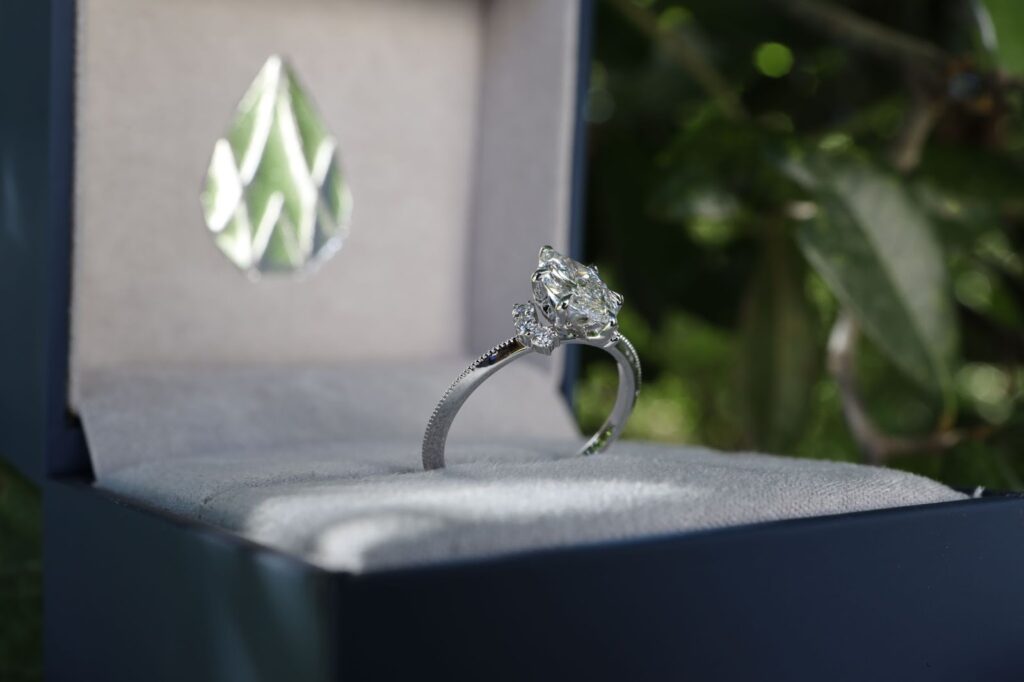
Color is about harmony, not hierarchy. The right shade depends on your metal choice and your own sense of warmth. In platinum or white gold, diamonds in the D–H range look crisp and bright. In yellow or rose gold, G–J tones glow beautifully and feel intentional. And remember a well-cut G can look prettier than a poorly cut F.
When you’re choosing an engagement ring, look at the diamond where it will live: in your light, against your skin, beside your chosen band. It’s not about chasing perfection; it’s about finding what feels right to you.
Clarity Sounds Complicated How “Clean” Should It Be?
Clarity is about confidence, not perfection. You’re looking for a diamond that feels pure to the eye “eye-clean,” meaning you don’t see any inclusions without magnification.
- Round diamonds often appear flawless in everyday light with VS2–SI1 clarity, balancing beauty and value effortlessly.
- Emerald or Asscher cuts benefit from higher clarity, around VVS–VS, as their broad, open facets tend to reveal more of the stone’s interior.
- Ovals, pears, cushions, and radiants typically sparkle brilliantly in the VS1–SI1 range, where their faceting naturally conceals small inclusions.
- Placement matters as much as grade; a tiny inclusion tucked near a prong will vanish in plain sight, while one near the center may draw more attention.
The goal isn’t perfection, it’s grace. The best engagement ring looks clear and confident because it was chosen with care, not because it’s lab-perfect.
How We Bring Light to Life:
Every consultation begins quietly, no harsh lights, no rush. We place diamonds on trays near the window, letting natural light do the speaking. You’ll watch as one stone wakes under sunlight, another softens, another gleams steady and true.
From there, we sketch around your life. Do you garden? Type? Travel? We design around movement, comfort, and meaning. That’s how an engagement ring becomes more than a purchase; it becomes a personal translation of devotion, rendered in metal and light. At AW Jewelry, our craft isn’t just about clarity; it’s about calm certainty.
Does Carat Mean Size?
No, carat measures weight, not visual presence. Two one-carat stones can look entirely different depending on cut and shape. An oval or marquise can appear larger than a round of the same weight because of its spread.
Setting style also affects perception: slim prongs, narrow bands, or delicate halos can make a stone appear more prominent. During your fitting, we’ll show you these subtleties on a real scale. When balanced correctly, your engagement ring will feel substantial yet effortless, never heavy, never small, simply right.
How Do You Balance the 4Cs on a Real Budget?
Balance is the secret art of choosing diamonds wisely. Here’s how professionals often prioritize:
- Cut comes first, as it defines the diamond’s brilliance and determines how beautifully it plays with light.
- Color comes next, best matched to your preferred metal tone—warmer hues for yellow or rose gold, cooler tones for platinum or white gold.
- Clarity matters only to the eye; if the stone appears “eye-clean,” it’s perfect for human sight and presence.
- Carat should feel proportionate and true to your hand, balancing size with comfort and personal expression.
Your budget should serve meaning, not math. The best engagement ring reflects balance between brilliance and emotion.
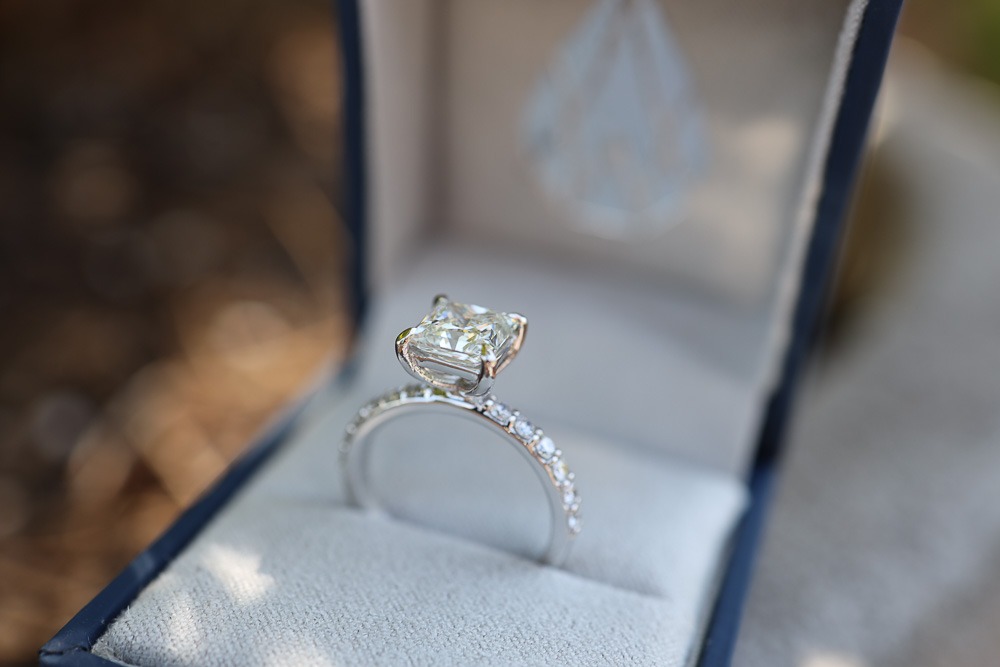
Should You Choose a Natural or Lab-Grown Diamond?
Both are real diamonds chemically identical, equally durable. Their difference lies in origin and story.
- Natural diamonds are formed deep within the earth over billions of years, carrying a sense of rarity, history, and timeless beauty that connects each piece to the planet’s own story.
- Lab-grown diamonds are created through advanced technology, offering the same brilliance and structure as natural stones often allowing for higher quality or larger sizes within the same budget.
We’ll show you both in identical settings under natural light so you can feel the difference, not just see it. The right choice for your engagement ring is the one that aligns with your values and vision.
Every AW consultation begins with conversation, your taste, your timeline, your story.Visit our Beaufort atelier or explore our engagement ring ‘AW Jewelry’s Virtual Studio. You bring the promise; we’ll bring the clarity.