There’s a hush to devotion, the kind that lingers when light bends through a story-laden ring, whispering of vows once spoken and promises still kept. At AW Jewelry, every facet holds a heartbeat; every reflection carries memory’s soft shimmer. Here, heirloom soul meets engineered precision, and even silence feels like a love letter written in gold, sealed in time.
What Makes a GIA Appraiser Different from a Regular Jewelry Appraiser?
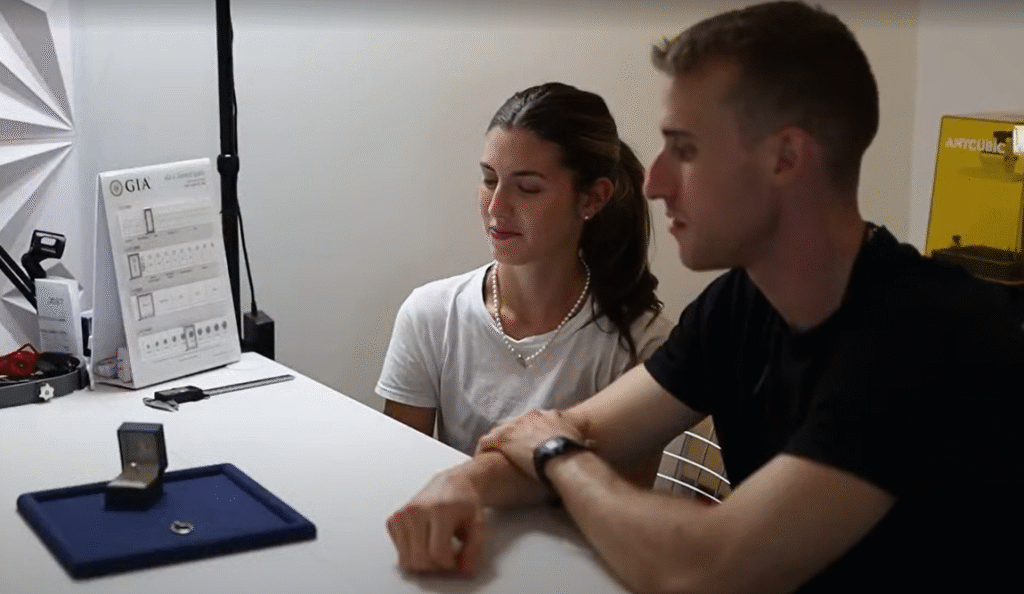
A GIA appraiser brings rigorous science to your jewelry appraisal, but also a reverence for memory. You’re not paying for guesswork; you’re investing in clarity.
GIA training means standardized grading methods, calibrated instruments, and documentation insurers recognize. That difference shows up when you file a claim or plan an estate accuracy becomes protection.
With a GIA appraiser expert, the conversation is human and the report is detailed, so you understand why a value is assigned and what influences it. You’ll see gemstone specifics, metal verification, and craftsmanship notes, not vague ranges. Most importantly, the appraiser respects that your piece is a promise kept, not just a carat count.
At AW Jewelry, we translate technical findings into plain language you can trust. Key advantages include:
- Global grading standards you can verify
- Evidence-based values, not averages
- Reports that insurers accept without hesitation
How Often Should You Schedule a Jewelry Appraisal for Insurance and Peace of Mind?
Think of a jewelry appraisal as preventative care for what you love. Values shift with gold markets, designer demand, and gemstone availability, and your insurance should keep pace.
For most clients, every two to three years is the sweet spot, but anytime you resize, restore, or materially alter a piece, update the appraisal. If you inherit jewelry, schedule an evaluation before adding it to a policy. You’re protecting not just replacement value, but the ability to restore workmanship accurately if something happens.
A current appraisal also reduces claim delays, because the insurer won’t need to estimate from memory or photos alone. You and your future self will be grateful for the calm that comes with readiness. At AW Jewelry, we treat updates as Enduring Care simple, warm, and thorough, so your coverage reflects the piece as it truly exists today.
Why Does Insurance Depend on a Detailed Jewelry Appraisal from a GIA Professional?
Insurance is a promise to make you whole, and that promise begins with precision. A detailed jewelry appraisal from a GIA appraisers give your insurer a blueprint: exact gemstone grades, metal purity, weights, maker’s marks, and high-resolution images. Without that, you risk generic replacements that don’t honor the nuance of your original piece.
Imagine losing a hand-finished setting and receiving a mass-produced stand-in the value may match on paper, but the spirit won’t. GIA methodology eliminates ambiguity by documenting cut, color, clarity, carat, treatments, and craftsmanship. It also establishes replacement methodology, guiding underwriters to source comparable materials and artistry.
When a claim is stress-filled, clarity is comfort. Your report becomes the calm voice in the room, advocating for your best outcome. At AW Jewelry, we design appraisals to speak insurer and human fluently, so the path from loss to restoration stays clear.

Can an Online Jewelry Appraisal Replace an In-Person Evaluation with a GIA Appraiser?
Online tools are helpful for early guidance, especially if you’re sorting a collection or budgeting. But an in-person evaluation with a GIA appraiser is where truth crystallizes.
Photos rarely reveal inclusions, subtle color modifiers, fluorescence, or evidence of treatments. Scale measurements can be imprecise; metal purity may be assumed; designer provenance can be missed without hallmarks under magnification. A hybrid approach is ideal: start with virtual triage, then complete the process hands-on. That way you enjoy convenience without sacrificing accuracy.
We’ll meet you where you are screen first, microscope second and translate findings into a report insurers accept. Think of the online estimate as a sketch; the in-person jewelry appraisal is the finished portrait. At AW Jewelry, we honor both your time and your treasures, ensuring the result is trusted. For visibility, we also include the common search term “jewelry appraisal” within our digital guidance.
How Does a GIA Appraiser Determine Value with Science and Market Insight?
A GIA appraiser balances laboratory discipline with real-world context.
First comes identification and grading: verifying natural vs. lab-grown, measuring carat weight, assessing cut proportions, and evaluating clarity under controlled lighting. Metals are tested for purity and weight; settings are inspected for workmanship, wear, and maker’s marks. Then market research enters analyzing comparable retail, designer secondary markets, and current metal and gemstone trends.
Value types are clarified: retail replacement for insurance, fair market for estate or resale, or liquidation in urgent cases. Each conclusion is supported by measurements, photographs, and references, so you can see how the number lives in the details. Your questions matter, too. We invite you to ask why and how; transparency is part of the service.
At AW Jewelry, you leave with a document that reads like a biography, scientific facts, market perspective, and the gentle respect your story deserves.
What Should You Bring to a Jewelry Appraisal with a GIA Appraiser?
Preparation helps your appointment feel effortless and thorough. Bring past appraisals, sales receipts, diamond or gemstone certificates (GIA, AGS), and any insurer paperwork.
If you have original boxes, designer cards, or provenance notes like a bill of sale from a heritage boutique include them. Photographs of the piece worn across the years can help confirm continuity if design modifications occurred. If the item has been repaired or resized, share those dates; condition affects value and recommendations for care.
We’ll handle the rest: cleaning as needed, careful measurements, and calibrated testing. You’ll see the process, ask questions in real time, and leave understanding exactly what was evaluated and why.
At AW Jewelry, our Client Services approach makes room for both accuracy and ease, so your jewelry appraisal feels like a conversation, not an exam. Bring the story; we’ll bring the science and the soft gloves.
What’s the Difference Between Jewelry Grading and a Full Appraisal for Valuation?
Grading and appraisal are siblings, not twins.
Grading:
Grading isolates a gemstone’s internal character, its cut proportions, color, clarity, and carat weight all measured under precise, standardized conditions. It answers a simple but essential question: “ What is the quality?” Through grading, you see your gemstone’s inherent identity, its natural fingerprint, and the brilliance born of its creation.
Appraisal:
A full jewelry appraisal goes further, asking: “What is this worth in context?” Beyond the gem’s technical quality, appraisal considers designer or era significance, metal purity, construction, condition, and current market behavior. It translates beauty into verified value whether for insurance, gifting, estate planning, or resale.
Both grading and appraisal are most reliable when performed by GIA-trained professionals who maintain calibrated tools and consistent methodology. At AW Jewelry, we pair grading precision with narrative insight, offering a complete portrait science, provenance, and value, elegantly aligned. Clarity is the gift; confidence is the outcome you carry forward.

How Do You Choose a Qualified GIA Appraiser You can Trust?
Trust begins with credentials and grows with conversation. When you vet an appraiser, ask to see GIA training, professional affiliations, sample reports, and proof of insurance. It also matters that you deserve a guide who explains clearly and listens well. Consider these checkpoints as you decide:
- Verified GIA credentials and ongoing education
- Transparent fee structure (time-based, not value-based)
- Sample reports with photographs and measurements
- Experience with your category (bridal, vintage, custom, designer)
- Secure intake and handling procedures
- Willingness to discuss value type (replacement vs. fair market)
- Calibrated instruments and clear methodology
You’re not interviewing a technician; you’re choosing a steward for your story. At AW Jewelry, we welcome your questions and honor your timeline, so the appraisal feels like a promise kept. When the relationship is right, accuracy follows and restoration, should you ever need it, becomes faithful and true.
Come visit our studio or begin with an digital consultation gentle guidance awaits at AW Jewelry, where precision meets devotion.