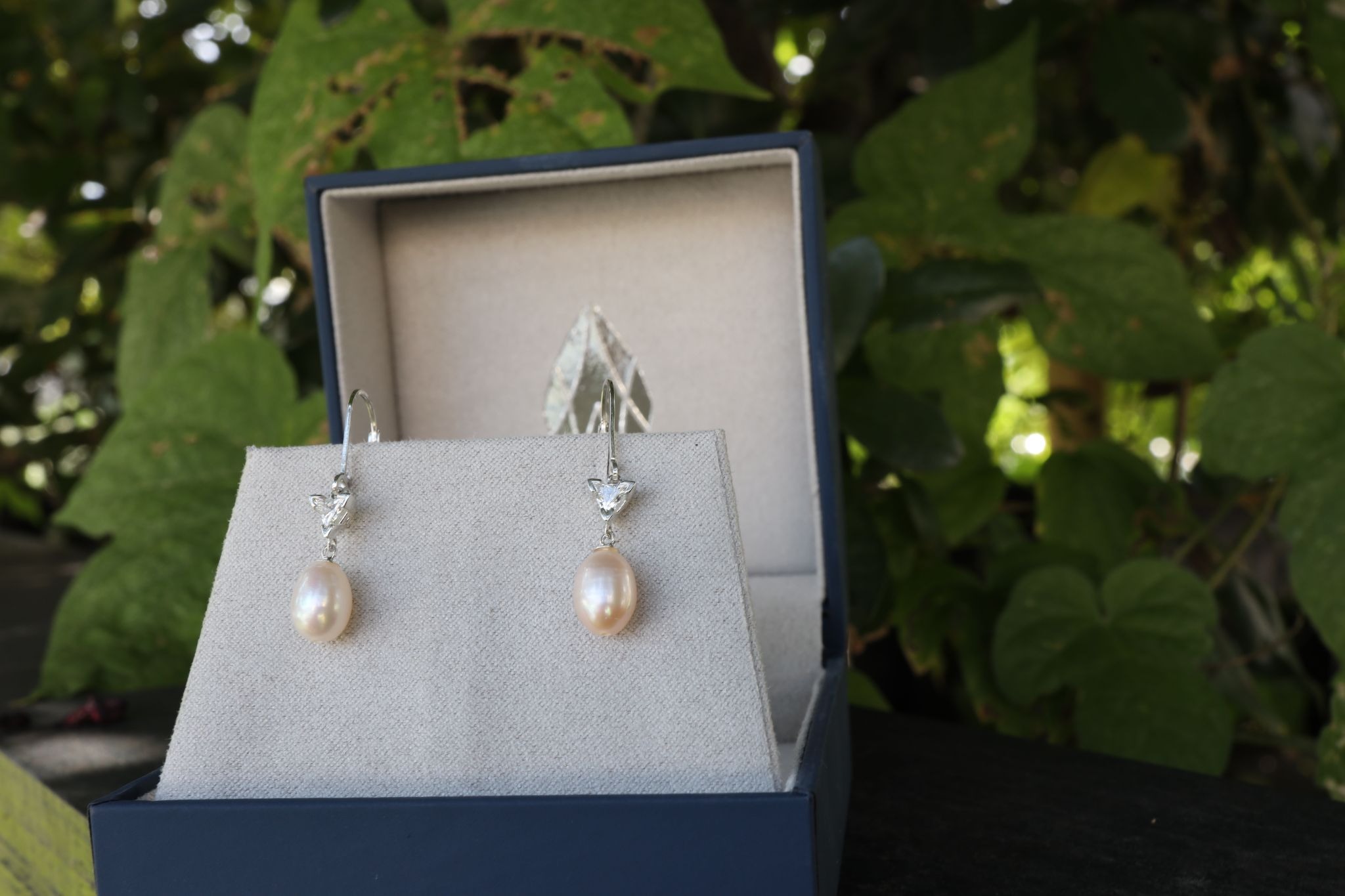
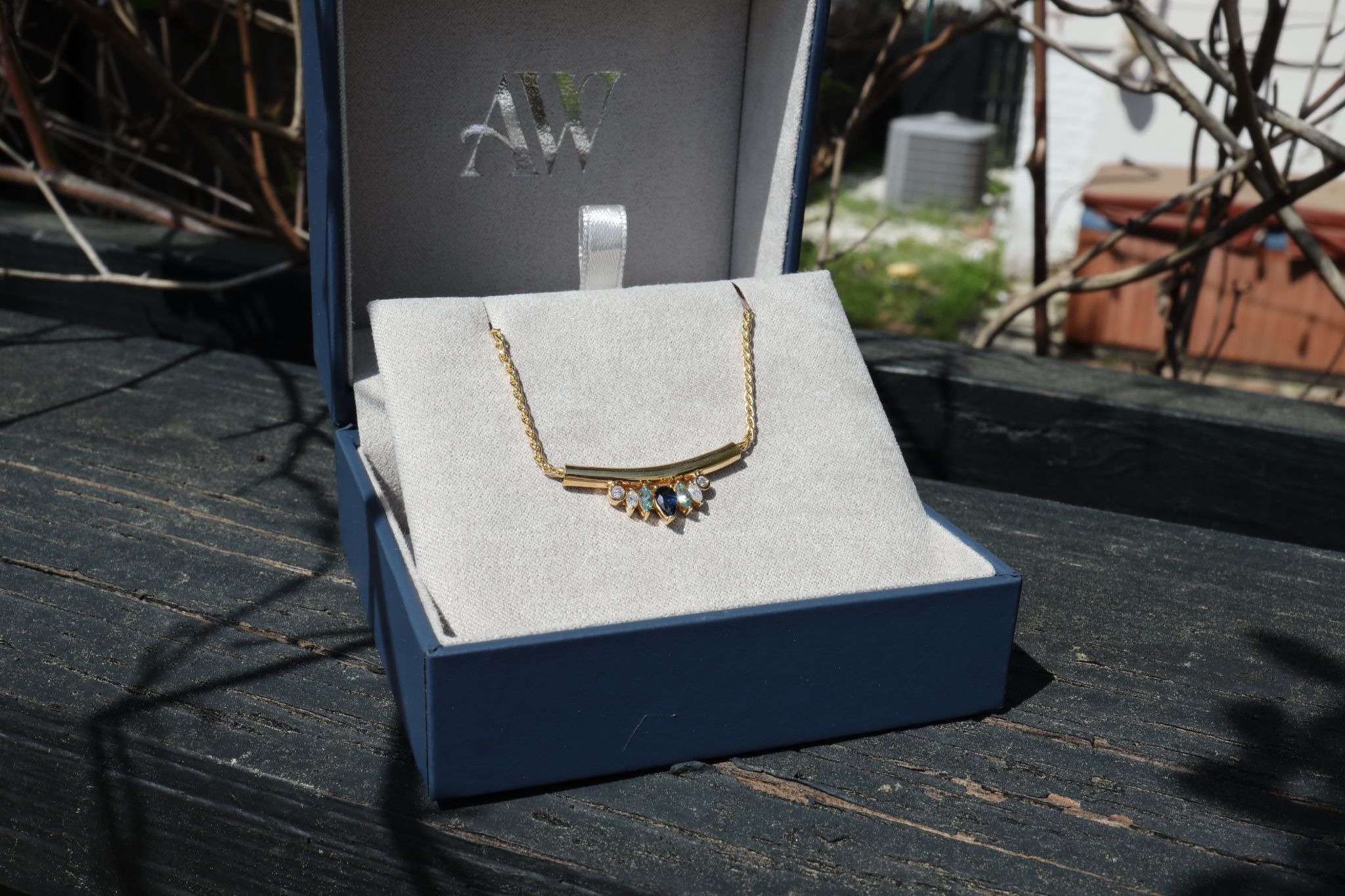
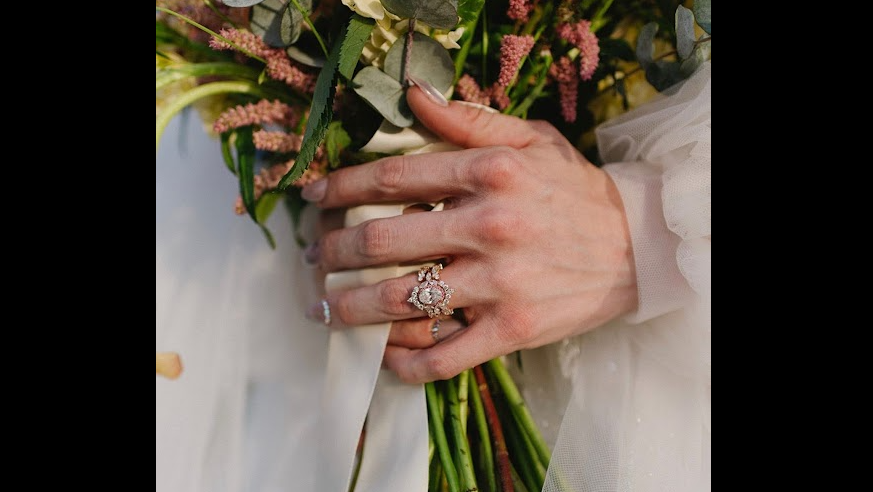
You can wear a ring for six months and swear it’s already lived a full life. Meanwhile, a necklace you’ve worn for years still looks almost untouched, just a little softer, a little more yours. That’s not your imagination. Jewelry doesn’t “age” evenly, because your body doesn’t use every piece the same way. Rings are in the line of fire. Bracelets live in motion. Necklaces live in friction, quiet, constant friction.
At AW Jewelry, we love that aging is part of the story. We don’t chase perfection; we design for endurance. Our promise is refined devotion, built with engineered precision, so the pieces you love can live with you and still hold their clarity.
Why Do Rings Show Wear Faster Than Necklaces?
Rings touch everything. Door handles, countertops, steering wheels, grocery carts, phone cases, zippers, sink edges, your hands lead your life, so your rings do too. That contact creates micro-scratches, softened edges, and gradual changes in finish much faster than pieces worn higher up on the body.
Even if you’re careful, normal motion creates impact. Rings also get exposed to water, soap, sanitizer, lotions, and the small abrasions of daily tasks. Over time, prongs can wear, fine details can soften, and polished surfaces can take on that lived-in haze.
Necklaces don’t escape wear, but they don’t take the same hits. A ring is constantly meeting the world first. That’s why it often looks “older” sooner. It isn’t poor quality, it’s simply doing the most work. And in a way, that’s part of its beauty: it’s proof you’re wearing your promise, not storing it.
What Causes Necklaces to Wear in a Different Way?
Necklaces don’t take the sharp, everyday impacts rings do. Their wear is quieter, built from constant, gentle friction. They move with your body, brushing collarbones, catching lightly on collars, and rubbing against skin, hair, and fabric. Over time, that repeated contact softens high polish, rounds tiny edges, and can create subtle thinning in the same few “touch points” where the chain rests most often.
Necklaces also carry a different kind of stress: tension and twist. Fine chains rotate as you move, pendants shift and pull, and clasps bear the small strain of being fastened and loosened again and again. That’s why necklaces tend to “age” in specific places, at the clasp, end rings, jump rings, pendant bails, and any section that repeatedly twists or kinks. The piece may still look beautiful from the front while the working joints quietly do the hardest labor.
That’s why chain style and build matter so much. A necklace can look perfect on day one and still be slowly evolving with every wear. The goal is a structure that drapes elegantly without weakening, refined, but resilient. When necklaces age well, they don’t look tired. They look lived-in: softened by devotion, still holding clarity.
Why Do Necklaces Often Look Like They Age the Slowest?
Necklaces are the quiet achievers. They experience far fewer impacts because they’re not constantly interacting with hard surfaces. Their aging is mostly about friction, hair, collars, perfume, skin oils, and the gentle rub of daily wear.
Over time, you might see a necklace lose a bit of high polish, especially on the front-facing areas that catch light most. You may also see fine chains develop subtle elongation or wear at the clasp, because that’s where tension concentrates.
But compared to rings and bracelets, necklaces are protected by their placement. They aren’t reaching for doorknobs. They aren’t sliding across tabletops all day. So yes, necklaces often age “slower.” Still, they do have their own quiet vulnerabilities: tangling, clasp fatigue, and delicate links that can thin if they’re ultra-fine and worn nonstop.
Which Parts of Jewelry Wear Out First, Rings, Bracelets, and Necklaces?
Here’s where it gets practical, and a little revealing. Different jewelry “fails” in different places first, because stress lives in different areas.
Rings:
Prongs, edges of the band, underside of the shank, pavé beads, high points that meet surfaces. That’s where daily life leaves its fingerprints, tiny knocks, constant contact, and quiet friction. Those areas soften first because they’re doing the work of protecting the stone and taking the impact for the whole ring. If you notice snagging, thinning, or a change in how secure the setting feels, it’s usually starting right there.
Bracelets:
Clasp area, jump rings, high-flex links, thin connector points, sections that rub against watches or desks. These spots carry tension, movement, and repetition, day in, day out. Wear shows up here first because the metal is constantly bending or taking small pulls. If a bracelet ever feels less secure or starts catching unexpectedly, it’s usually one of these areas asking for attention.
Necklaces:
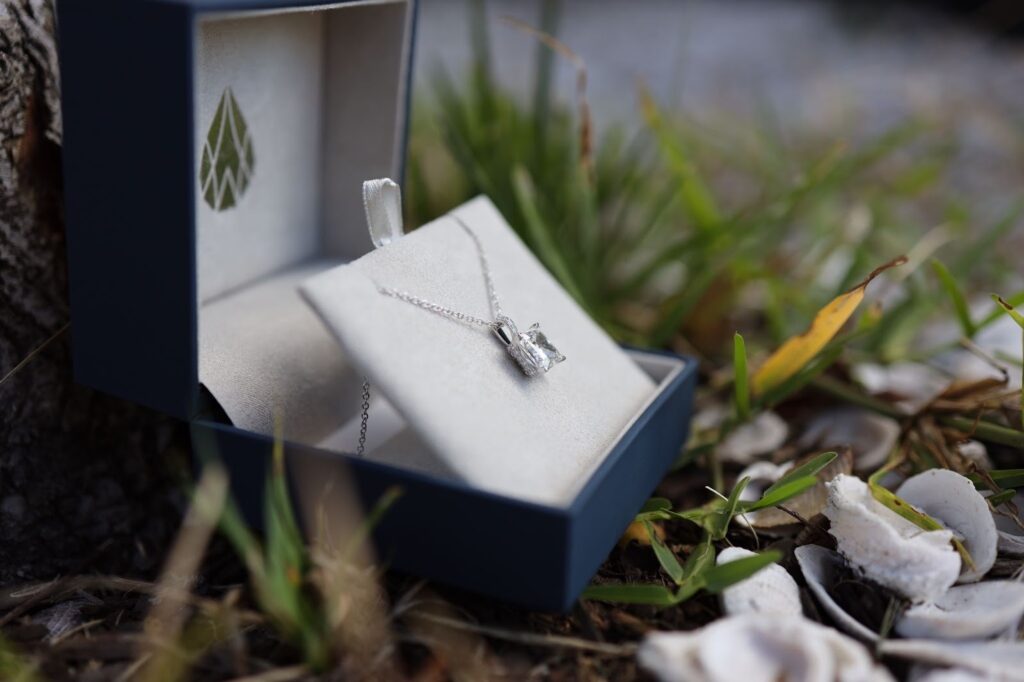
Clasp and end rings, areas that rest on collarbones, chain sections that twist, pendant bails and connectors These are the “working joints” of a necklace, where tension gathers and motion repeats. They wear first because twisting and tiny pulls happen there even when you’re doing nothing at all. If your chain starts tangling more, the clasp feels fussy, or the pendant sits differently, it’s usually one of these points quietly shifting.
One of the biggest surprises for clients is this: jewelry rarely wears evenly. It wears where life touches it most. If you know where that is, you can choose designs that protect those points, or at least plan for care before something becomes urgent.
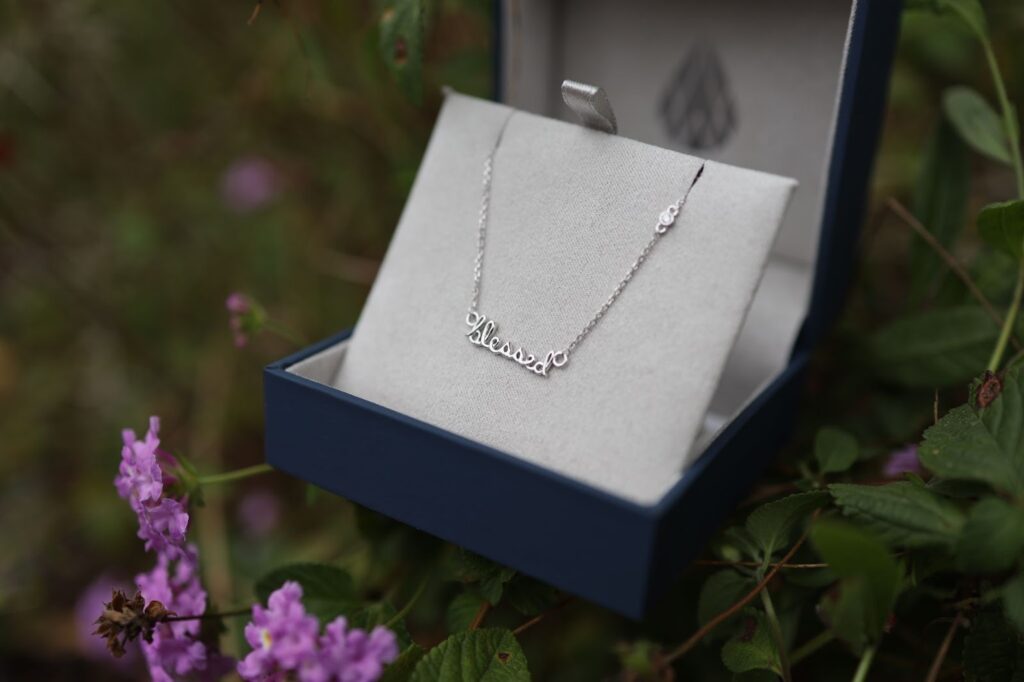
Does Metal Type Change How Bracelets, Necklaces, and Rings Age?
Yes, but not in the way people expect. Metal type changes how quickly you see wear and what that wear looks like. Softer alloys tend to show scratches sooner. Harder metals may resist surface marks longer, but every metal still tells time.
The bigger factor is often finishing. High polish shows everything. Brushed finishes disguise fine scratches beautifully. Textured or engraved finishes can age gracefully because they’re already designed to hold dimension.
Also, different pieces experience different kinds of stress. A sturdy metal won’t stop a bracelet from stretching if the chain is too fine. And a ring in a harder metal can still wear prongs down if the setting is exposed and worn daily.
So yes, metal matters. But design and lifestyle matter more. The best pieces are the ones that age into themselves instead of simply wearing away.
How Do I Help My Necklaces Age More Gracefully?
This is the gentle truth that you don’t need to baby your jewelry. But you do need to understand it.
Here are habits that actually make a difference:
- Store chains flat or hung so they don’t kink
- Avoid sleeping in very fine necklaces (tension and twisting add up)
- Keep clasps checked, most “breaks” begin there
- Rotate pieces occasionally so one chain isn’t doing all the work
- Keep perfume and hairspray away from metal and stones when possible
One small habit can add years. The goal isn’t perfection. It’s stewardship, keeping your pieces strong enough to carry their meaning forward.
When Should I Consider Client Services for Wear and Aging?
If something feels “slightly off,” that’s the moment, not when it breaks. Jewelry gives quiet hints before it makes loud ones.
Consider Client Services when:
- A ring feels thinner than it used to
- Prongs look uneven or you feel scratching near the stone
- Pavé stones catch more often than before
- A bracelet clasp feels loose or unreliable
- A necklace tangles constantly or the chain looks stretched
- Connectors or jump rings appear oval instead of round
A quick assessment can prevent a bigger issue later. At AW Jewelry, we approach this as Promise care, refined attention that protects what you’ve already invested in emotionally and materially.
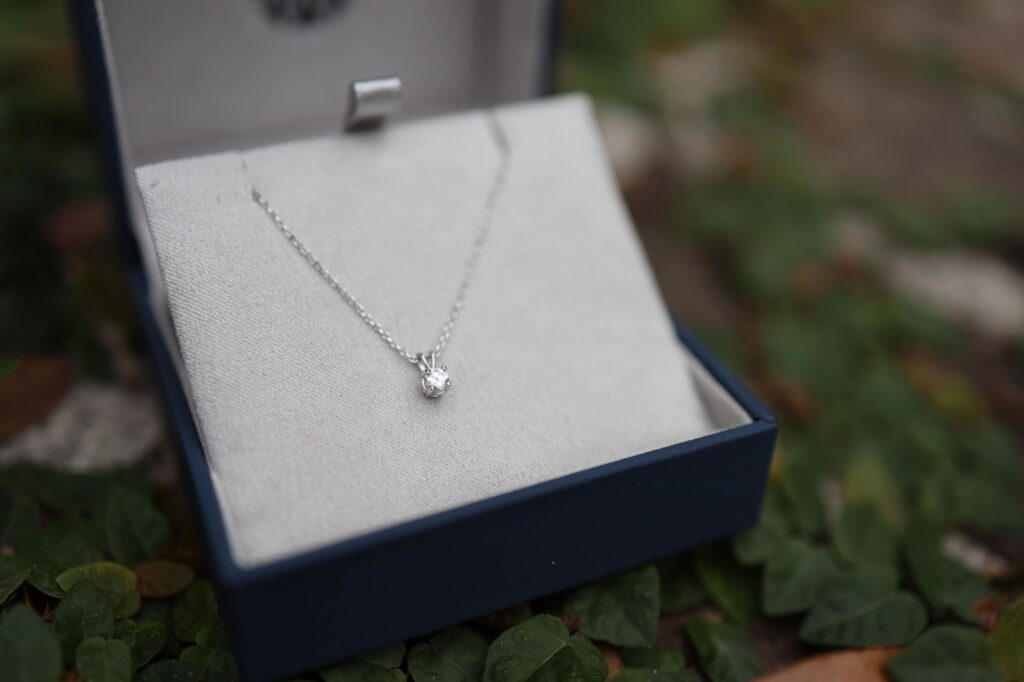
Is “Wear” a Bad Sign, or Part of the Jewelry’s Story?
Wear isn’t automatically damaged. Often, it’s proof of love, proof the piece has been chosen again and again. The key is knowing the difference between beautiful patina and structural risk.
Patina is softness: a gentle glow, fine surface marks, the kind of lived-in finish that feels personal. Structural wear is different: thinning metal, weakened prongs, compromised clasps, stretched links.
If you’re unsure which you’re seeing, trust your instincts. If the piece feels less secure, catches more often, or looks like it’s changing shape, it’s worth having it looked at. Jewelry should age like an heirloom, steadily, beautifully, not like something that’s quietly coming undone.
Rings age like hands: boldly, quickly, in constant contact with life. Bracelets age through motion and repetition. Necklaces age through gentle friction and time. None of it is wrong, it’s simply how the body wears its promises.
If you want help choosing pieces that age gracefully, or caring for the ones you already love, AW Jewelry is here with clarity and warmth. Schedule your consultation virtually or at the atelier, and let’s make sure every piece in your collection keeps its strength as beautifully as it keeps its meaning.