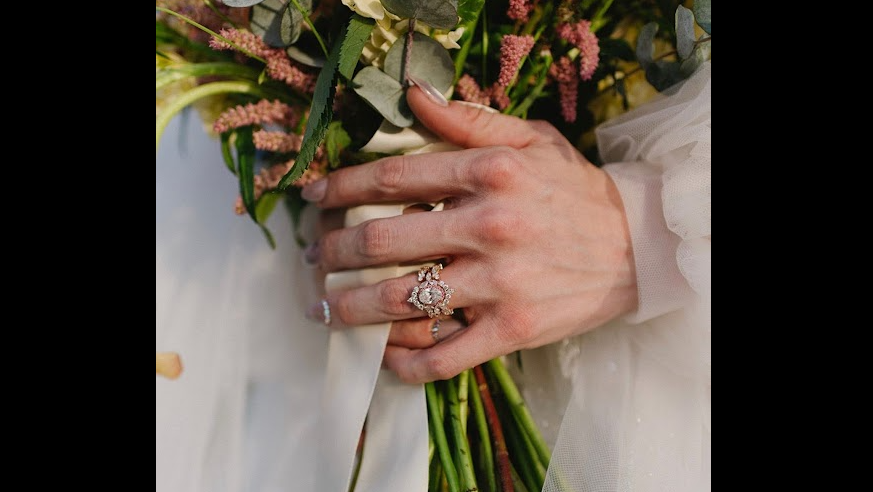
You don’t wake up one morning and think about prongs. You notice something else first. A ring that catches on your sweater. A stone that feels a touch less steady. A setting that used to feel seamless, now feeling sharp at the edges. And then the quiet worry arrives: Is my diamond still safe?
At AW Jewelry, we believe jewelry should carry clarity and hold promise, heirloom soul, engineered precision. Prongs are small, but they’re the guardians of what matters. When they’re sound, you never think about them. When they’re tired, they ask for your attention.
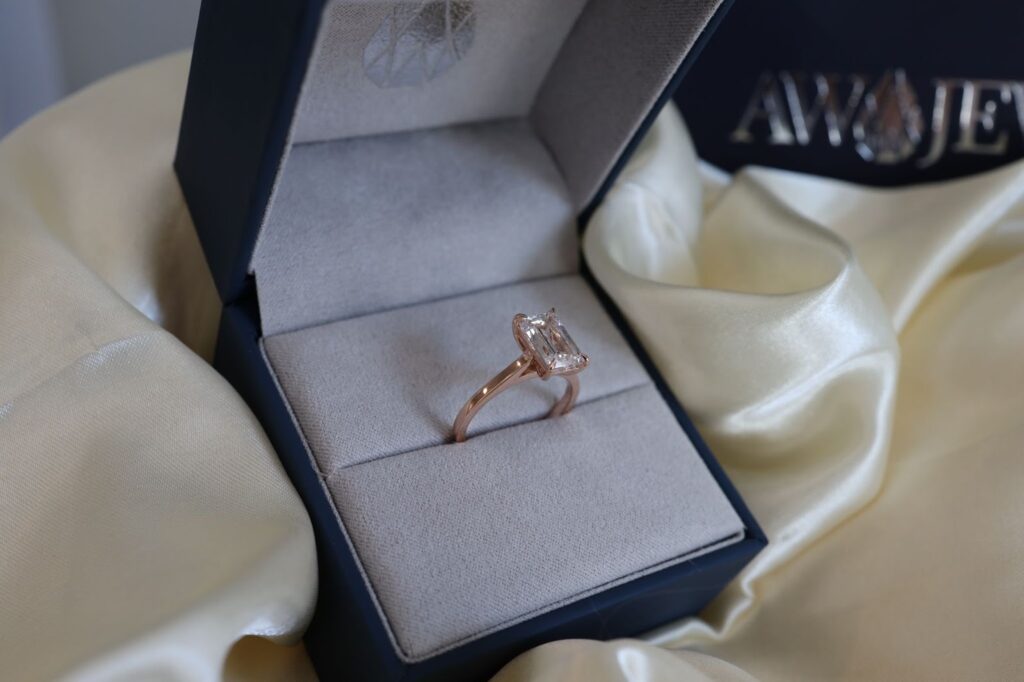
When Should You Replace Worn Prongs Instead of Repairing Them Again?
Replace when worn prongs start acting like “bandages” instead of true reinforcement. If worn prongs have been rebuilt multiple times, they can lose structural integrity, especially around the base where the prong meets the head.
A repair might smooth a snag or tighten a stone for now, but if there isn’t enough healthy metal left, you’re relying on hope more than engineering. Another clear sign is if your jeweler has to keep chasing the same problem, loose stone, thinning tips, cracking seams, replacement is usually the steadier choice. Think of it like restoring an heirloom home: sometimes you patch the paint, and sometimes you replace the beam.
At AW Jewelry, we lean toward the option that protects your stone, respects your timeline, and restores confidence, so you can wear your piece without second-guessing every handshake.
What Are the Most Common Signs Your Prongs Are Past the “Repair Again” Stage?
Your ring will tell you, often in small, easy-to-miss ways. If you notice snagging, scratching, or a sudden roughness where the setting used to feel smooth, that’s a signal of worn prongs.
If a prong looks shorter than the others, appears flattened, or has a sharp “hooked” edge, the tip of your worn prongs may be wearing away. Another sign is movement: if you tap the ring lightly near your ear and hear a faint rattle, the stone could be shifting because of worn prongs.
Visually, watch for worn prongs that look thin at the base, not just at the top, because base weakness is what leads to bending and failure. And if you’ve already had worn prongs “touched up” more than once, ask how much original metal remains. Repairs are wonderful, until they’re repeating. Repetition is often your clearest clue that replacing worn prongs will be safer, cleaner, and longer-lasting.
How Many Times Can Prongs Be Repaired Before Replacement Is Smarter?
There isn’t one perfect number, because it depends on the setting style, prong thickness, metal type, and how the ring is worn day to day.
But here’s a practical truth: if you’ve repaired the same prongs two or more times, it’s wise to evaluate replacement seriously, especially when worn prongs are involved. Each repair adds metal, but it can also add seams, tiny join points that may become future weak spots, particularly if the underlying worn prongs are already fatigued.
The goal isn’t to “keep it going” indefinitely; the goal is to protect the stone with confidence. If a jeweler keeps rebuilding tips but the worn prongs remain thin at the base, the safest solution is often a new head or fully replaced prongs.
At AW Jewelry, we look at the full structure; tip, shoulder, base, and symmetry, because strength is a system, not a spot-fix. Clarity beats repetition every time.
Which Problems Mean You Should Replace Prongs Right Away?
If you’re seeing any of the issues below, treat it as a “don’t wait” moment, not because we want to alarm you, but because stones are precious and prevention is gentler than loss:
- A prong is bent sideways or looks misaligned
- One prong is missing metal at the tip (worn down, chipped, or broken)
- The stone visibly tilts or sits unevenly in the setting
- You hear or feel movement when the ring is tapped or pressed
- Cracks near the base of a prong or along a seam are visible
- Repeated tightening doesn’t hold for more than a short time
- Snagging has become frequent, especially on knits or hair
If any of these show up, pause wearing the piece until it’s assessed. A quick check can prevent a heartbreak. The smallest metal points often carry the greatest responsibility.
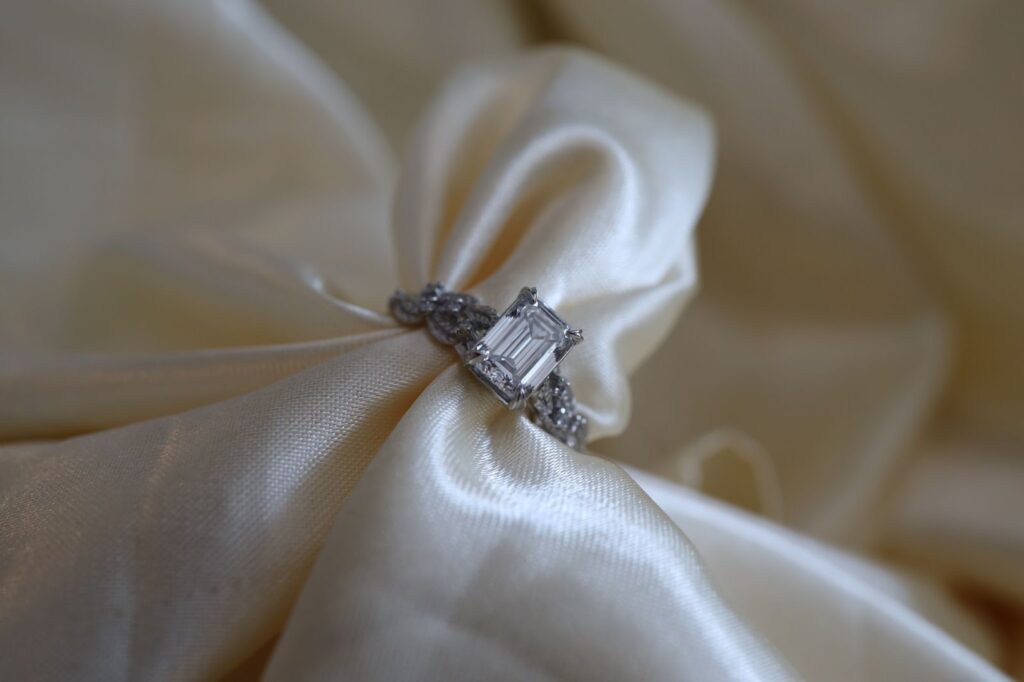
Is Replacing Prongs More Expensive than Repairing Them, and Is It Worth It?
Sometimes replacement costs more upfront, but it often costs less over time, especially when worn prongs keep needing attention.
Repeated repairs can add up, particularly if you’re returning every year for tightening, re-tipping, or re-soldering because of worn prongs. More importantly, the real “cost” isn’t just the service; it’s the risk of losing a stone, damaging a setting, or wearing your ring with constant worry.
Replacement is worth it when it restores longevity: a fresh, properly engineered structure that holds your stone securely and wears smoothly against skin and fabric, instead of relying on worn prongs that are already fatigued. It’s also worth it when you want a cleaner finish; multiple repairs can create bulk, uneven prong heights, or visible seams that interrupt the ring’s refinement.
At AW Jewelry, we’ll always talk you through the options with calm transparency: what can be preserved, what should be strengthened, and what choice best protects your heirloom for the life you’re living now.
What’s the Difference Between Re-Tipping Prongs and Replacing the Whole Head?
This is where clarity helps, because the words can sound similar while the solutions are very different.
Re-Tipping:
Re-tipping adds metal to the ends of prongs to rebuild worn tips and improve stone security. It’s best when the prongs are healthy overall, with strong bases and minimal fatigue.
Prong Replacement:
Replacing prongs means removing compromised prongs and building new ones, often when thinning, bending, or repeated repairs have weakened the structure.
Head Replacement:
A head replacement swaps the entire setting “basket” that holds the stone, while preserving the shank (band) when possible. This is ideal when multiple prongs are compromised or the head has structural issues.
Re-tipping is a targeted renewal, while replacement is structural engineering. If your ring has had a long life, a new head can be the most elegant reset, clean, secure, and refined, without changing the soul of the piece.
How Do Metal Type and Lifestyle Affect Whether Prongs Should be Replaced?
Metal matters, and so does how you move through the world.
White gold prongs can wear down over time, especially on rings worn daily with lots of hand use, think lifting, typing, gym equipment, gardening, cooking, cleaning. Platinum prongs tend to “move” rather than wear away as quickly, but they can still thin and bend with repeated impact. Yellow gold can show wear sooner in fine prongs, particularly if the setting is delicate.
Then there’s lifestyle: if you’re hard on your hands, prongs take more micro-hits than you realize. If you wear your ring sleeping, showering, or during workouts, that accelerates fatigue. None of this means “stop living.” It just means your ring needs support designed for your real life.
At AW Jewelry, we match engineering to your day-to-day, so your piece remains effortless to wear and steady in its hold.
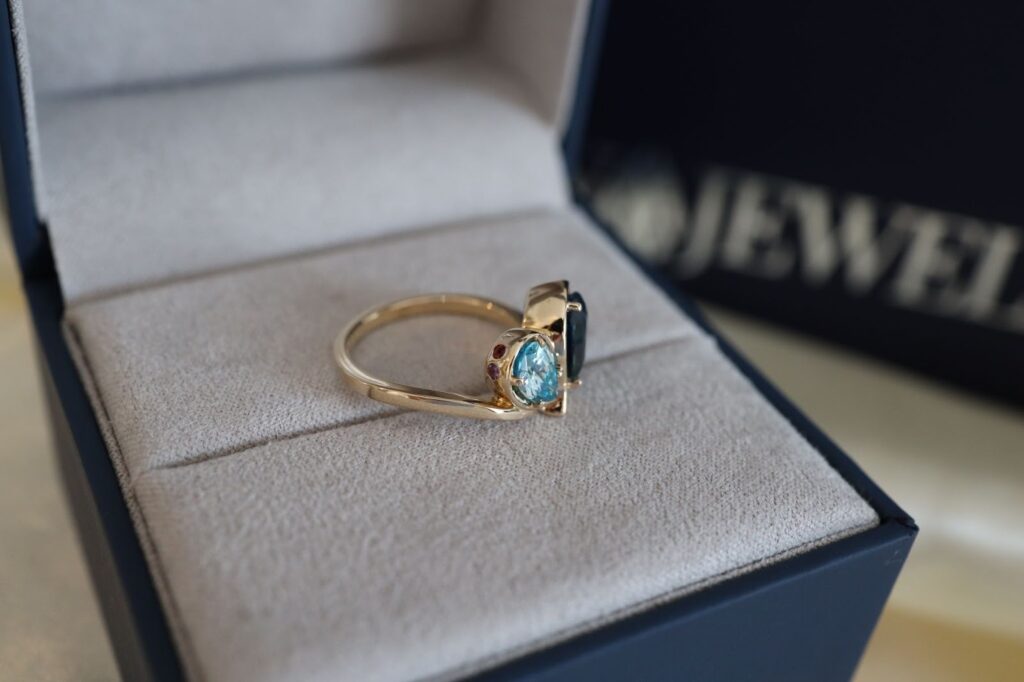
How Often Should Prongs be Checked, and What Should I Expect During the Visit?
A prong check is one of the most caring habits you can build for your jewelry, quiet, simple, and deeply protective. For daily-wear rings, we recommend checking prongs every 6 to 12 months, and immediately after any hard knock.
During a visit, we inspect prong thickness, symmetry, base integrity, and how firmly the stone is seated. We’ll look for tiny gaps, stress points, and wear patterns you can’t see at home. If tightening is all that’s needed, we’ll tell you. If repair is appropriate, we’ll explain why. And if replacement is the safer path, we’ll walk you through options that preserve your ring’s character while restoring strength and comfort.
You should leave feeling one thing above all: confidence. Your ring should not be a question mark. It should be a certainty, worn with ease, held with precision.
Prongs are small, but they protect what your heart has chosen. If your ring is snagging, shifting, or asking for repeated repairs, it’s not being “needy”, it’s being honest. And honesty is where good decisions begin.
When you’re ready, let AW Jewelry guide you with calm clarity. Reserve a Virtual Design Session or join us in the Atelier for a prong evaluation through our Client Services, so your piece stays secure, refined, and beautifully yours for years to come.