An heirloom isn’t “just jewelry.” It’s a carrier of memory and you deserve to feel steady before you leave it in anyone’s care. A good heirloom repair experience should feel transparent, respectful, and unhurried. The right questions protect your piece and your peace of mind.
At AW Jewelry, we see heirloom work as Heirloom Stewardship measures renewal that honors what time has already written. That means preserving what’s recognizable, strengthening what’s vulnerable, and never overstepping what the piece is meant to be.
Before you hand a sentimental piece across the counter, pause long enough to ask what matters. The answers should feel clear, calm, and specific because trust isn’t a leap. It’s built, one honest detail at a time.
What Exactly Will You Do to The Piece?
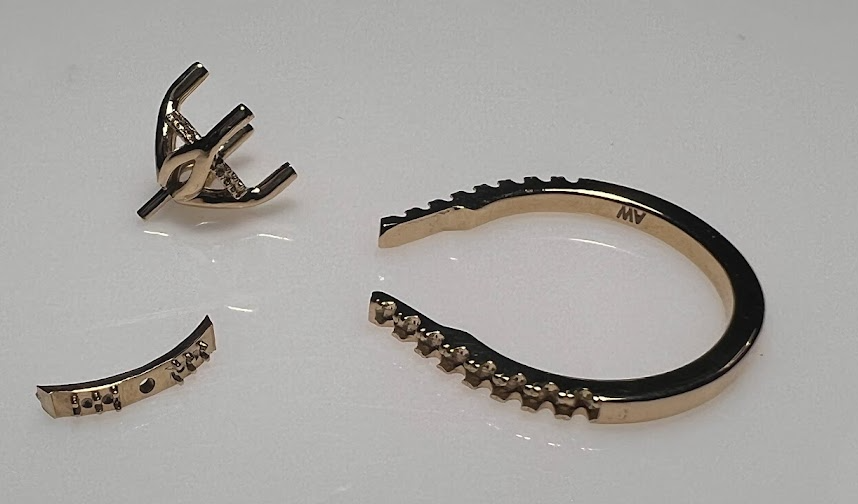
Always ask for a clear description of the heirloom repair in plain language, no fog. You should know exactly what’s being done: tightening prongs, rebuilding a setting, soldering a break, replacing a clasp, or reinforcing worn areas. “We’ll fix it” isn’t enough for something that carries history, because vague plans often lead to unexpected changes.
A thoughtful jeweler will explain what’s necessary, what’s optional, and what they will not touch. A proper heirloom repair should feel restrained: protect the structure, preserve the character, and avoid unnecessary alteration. You should also be told why the heirloom repair is recommended and what could happen if it’s delayed, without pressure or dramatics.
If the proposed plan starts to sound like a redesign when you asked for restoration, pause. The right heirloom repair strengthens what’s already there and returns the piece to you feeling like itself, only steadier and safer to wear.
Can You Show Me The Areas of Wear or Risk?
A reputable jeweler should be willing to point out concerns under magnification and explain them calmly. Ask them to show you exactly what they’re seeing: worn prongs, a thinning shank, weak links, or a stone that’s starting to loosen. When you can see the issue, the heirloom repair recommendation feels grounded, and it helps prevent surprise charges later because you understand what’s truly necessary versus what’s optional.
This is also where trust is built: not through urgency, but through education. A thoughtful jeweler will take a breath, walk you through the risk, and explain what happens if it’s left as-is, without pressure or alarm. They’ll answer questions clearly and welcome your attention to detail before any heirloom repair begins.
If someone won’t show you what they’re seeing, or they rush past your questions, it becomes hard to know whether the heirloom repair is truly needed. For heirloom work, transparency isn’t a bonus, it’s part of the care.
Will Heirloom Repair Change The Look or Feel of The Piece?
Heirloom work should preserve recognition. Before you leave a piece in-store, ask whether the repair will change the profile, thickness, patina, engraving, milgrain, or overall silhouette. Even “small” adjustments can feel significant when a piece is emotionally familiar because you don’t just recognize it visually, you recognize it by feel.
A skilled jeweler can usually restore strength while keeping the original design language intact. A thoughtful heirloom repair reinforces what’s vulnerable without looking like replacement, and adds security without erasing character. The goal is for the piece to return to you feeling like itself, only steadier, safer, and ready for wear.
If a visible change is necessary for safety, the jeweler should explain why in plain language and offer the most restrained path possible. Ask what options exist, what will be preserved, and what will look different. When you understand the “why,” you can say yes with confidence and protect both the piece and the memory it carries.
Are You Keeping My Original Materials and Stones?
Always ask what stays and what might be replaced clearly, before the piece ever leaves your hand. If stones need to be removed during the work, ask how they’ll be stored, labeled, and returned. A careful jeweler should be able to describe their heirloom repair process without hesitation, including how your stones are kept separate and accounted for throughout the heirloom repair.
If any component must be replaced; like a clasp, a head, a prong assembly, or a section of chain, ask two things: why it’s necessary, and whether the original part will be returned to you. That matters more than people realize, especially with heirlooms, where even small components can carry emotional weight during an heirloom repair.
For sentimental pieces, original material matters. Even when replacement is the safest path, you deserve to know exactly what’s changing and what’s being preserved. Clarity here protects the integrity of the piece and protects you from surprises later in the heirloom repair process.
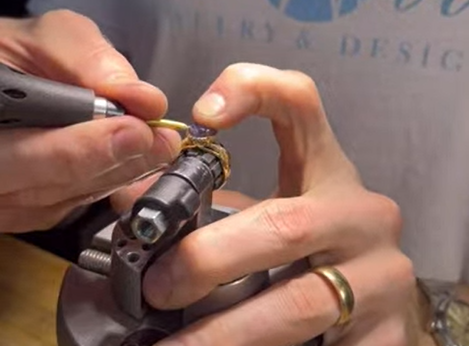
What Is The Timeline and What Could Extend It?
Always ask for an estimated timeframe and also ask what typically causes delays. Clear expectations now prevent uncertainty later, especially with heirloom work where care and precision matter.
- Estimated Completion Window: When should you reasonably expect the piece back?
- Common Delay Factors: Waiting on findings, stone-setting complexity, or additional wear discovered once work begins
- Mid-Process Discoveries: How will hidden damage be communicated if it’s uncovered?
- Approval Process: Will you be contacted before any additional work or cost is added?
- Communication Rhythm: How and when will updates be shared?
Heirloom pieces sometimes reveal vulnerabilities only after work begins, and that’s normal. You’re not looking for perfection, you’re looking for clarity, transparency, and thoughtful communication. When those are in place, the waiting feels steady, not uncertain.
What Will The Repair Cost and What Would Change That Price?
Always ask for a written estimate for the heirloom repair and ask what, specifically, it includes. Does the price cover tightening only, or rebuilding? Is polishing included? Are stones being removed and reset? A clear breakdown helps you understand what you’re agreeing to, and it prevents the uncomfortable feeling of “surprise math” at pickup.
Then ask what could increase the cost of the heirloom repair. Common reasons include additional metal rebuilding, unexpected structural issues discovered mid-process, extra stone tightening, or replacing compromised components like a worn head, a weak clasp, or damaged links. Heirloom pieces can reveal hidden wear once work begins, so it’s fair to ask how those discoveries will be handled, and whether you’ll be contacted for approval before any added work is done.
A trustworthy jeweler won’t make you feel awkward for asking. Clear pricing is part of respectful stewardship. When the numbers are transparent, you can say yes with calm confidence knowing both the piece and the heirloom repair process are being cared for properly.
How Will My Piece Be Documented While It’s In Your Care?
Before you leave an heirloom behind, documentation is one of the simplest ways to feel steady because clarity protects everyone.
What Intake Documentation Should Include:
Ask what intake documentation looks like before you hand the piece over. A responsible jeweler should photograph the jewelry, note existing scratches or chips, identify any missing stones, and record hallmark details or engravings. These notes create a shared understanding of the piece’s condition at drop-off so nothing feels uncertain later.
What You’ll Receive in Writing:
Ask whether you’ll receive a receipt or intake form with a detailed description of the piece and the agreed-upon work. This isn’t about paperwork for its own sake, it’s about alignment. Written records help both you and the jeweler stay clear from start to finish.
Why Documentation Matters:
Documentation ensures the piece you pick up is the piece you left returned with care, not confusion.
And for heirloom work, that kind of clarity isn’t extra. It’s part of respectful stewardship.
How Should I Care for It After The Repair?
Repairs are only part of longevity. Before you leave the store, ask what aftercare is recommended because how you wear and maintain the piece is what keeps it secure over time. A thoughtful jeweler should tell you what to avoid (harsh chemicals, chlorine, ultrasonic cleaners, heavy lotions, certain activities), and how often key areas should be checked, especially prongs, clasps, and connection points that take the most stress in daily life.
Ask how frequently they recommend inspections, and whether your lifestyle suggests a different rhythm. If you garden, travel often, work with your hands, or wear the piece every day, your care schedule may need to be more consistent than someone who wears the heirloom occasionally. Good guidance should feel practical, not alarmist tailored to how you actually live.
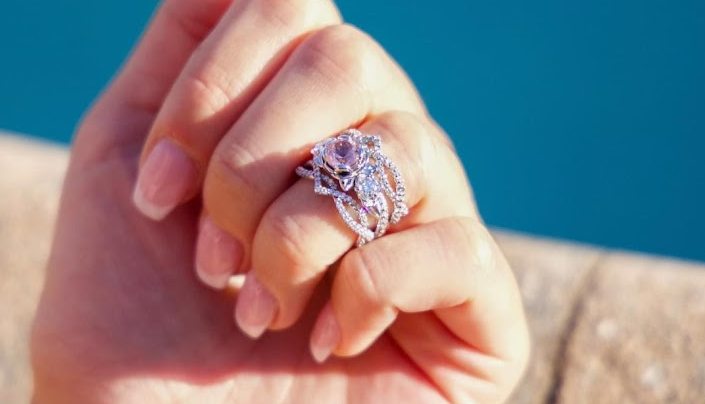
Heirloom jewelry should be wearable. But wearability is protected by a quiet care rhythm, small, steady check-ins that keep what’s meaningful not only beautiful, but safe to carry forward.
Leaving an heirloom in-store should never feel like a leap of faith. It should feel like a calm handoff guided by clarity, respect, and careful workmanship.
If you’d like, begin with a one-on-one online conversation, or come spend time with us in the studio. We’ll examine your piece with restraint, explain what we see, and recommend only what truly serves its next chapter.