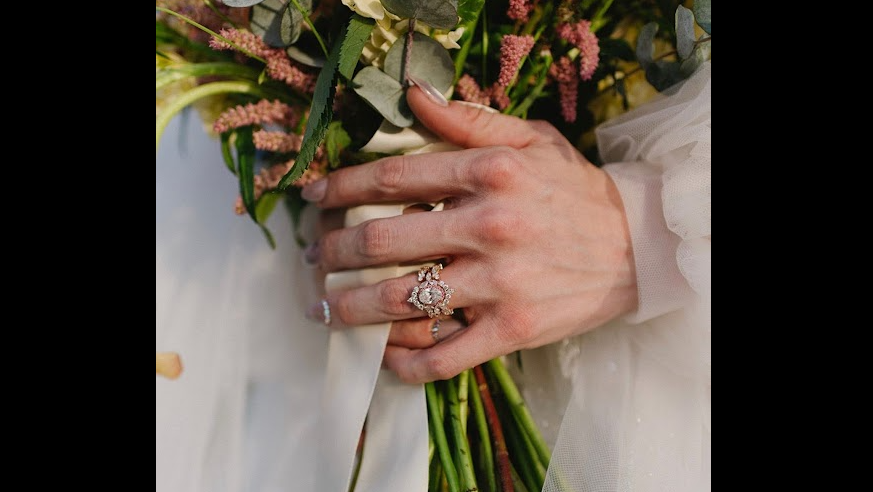
The most secure rings don’t look armored, they look effortless. Protection, when done well, is nearly invisible, built into the architecture rather than added on as an afterthought. It’s the quiet confidence of a ring that feels refined on the hand, yet steady in real life. At AW Jewelry, we call that heirloom soul with engineered precision beauty you see, and structure you can trust.
If you’re designing a custom ring, the details that matter most aren’t always the ones that sparkle first. They’re the ones that keep your center stone safe through the everyday moments you can’t plan for: hands in pockets, luggage handles, sweaters, doorframes, and the rhythm of daily wear.
The right profile, prong design, and reinforcement choices don’t change the character of the ring; they preserve it, so you can wear it with ease, not constant caution.
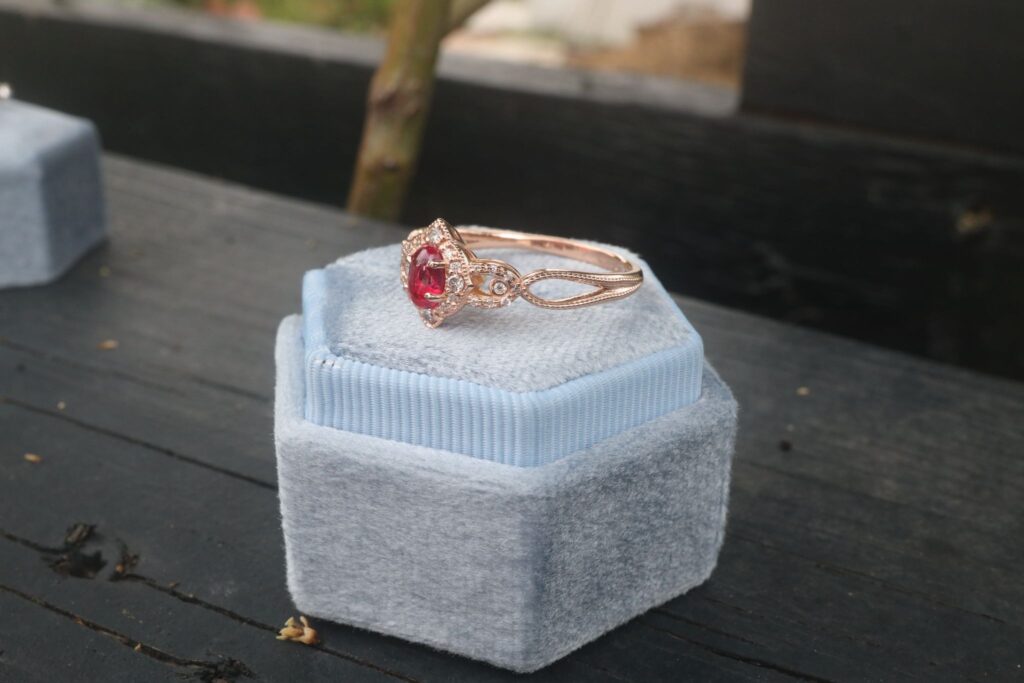
What Custom Ring Setting Style Offers The Most Everyday Protection?
If your priority is protection in a custom ring, bezel settings are often the quiet champion. A bezel wraps the stone’s edge in metal, shielding it from everyday knocks and reducing snagging on sweaters, hair, and pockets. That said, prong settings can be highly secure in a custom ring too, when they’re engineered thoughtfully and paired with a protective profile rather than excessive height.
The best custom ring choice depends on your lifestyle and your stone shape. Bezels protect the full perimeter, which can be especially reassuring for shapes with vulnerable corners or points. Prongs, on the other hand, feel lighter and more open, letting in maximum light, yet true protection in a custom ring comes down to the right prong count, thickness, and placement, not just how delicate they look.
At AW Jewelry, we design so the ring doesn’t just look beautiful on day one it holds up quietly through years of real wear. Protection should feel like confidence, not compromise.
How Do Low-Profile Settings Help Protect A Center Stone?
A low-profile setting reduces how far your center stone sits above the finger, which means fewer opportunities for impact. The higher a stone sits, the more likely it is to catch on clothing, brush against doorframes, or take an accidental bump. A lower profile keeps the ring sleek, wearable, and naturally safer without changing its elegance.
Key benefits of a low-profile setting include:
- Reduced Snagging and Impact: Less height means fewer chances for the stone to catch or hit.
- Improved Comfort: The ring feels integrated with the hand, not perched on top of it.
- Balanced Presence: The stone still has light, lift, and beauty just without excess height.
- Everyday Wearability: Ideal for active lifestyles or hands-on work.
Low-profile doesn’t mean “flat.” It means balanced. If you want a ring you don’t have to think about, this is one of the most quietly protective choices you can make.
Why Do Some Stones Need More Prongs Than Others?
Prongs aren’t just decorative in a custom ring, they’re engineering. The number and placement of prongs should be determined by the stone’s shape, size, and its most vulnerable points.
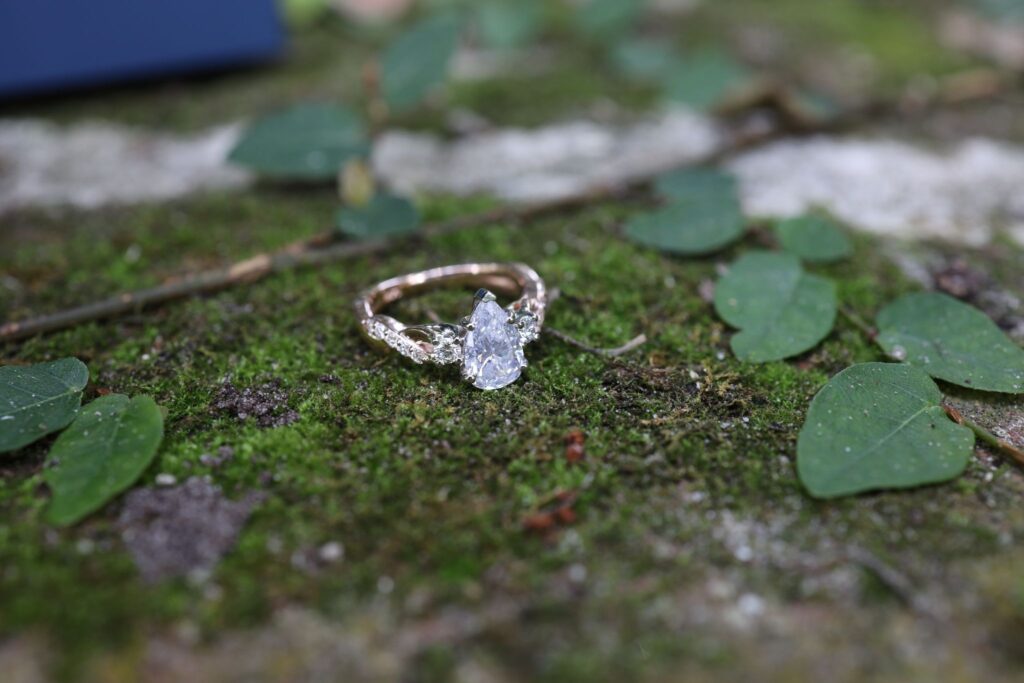
Round stones in a custom ring are often beautifully secure with four or six prongs, because they don’t have sharp corners that need guarding. But shapes with edges and tips; like princess, emerald, radiant, pear, and marquise, benefit from prongs placed with much more intention.
Corners and pointed tips are typically the most fragile areas of many cuts. When those points are exposed, they’re at higher risk of chipping from an everyday knock. Strategic prong placement in a custom ring acts like a protective frame, shielding what’s most vulnerable while keeping the design refined.
In some custom ring designs, we may recommend double prongs for added hold or V-prongs to cradle a pointed tip without adding visual heaviness. The goal is always the same: protection that looks intentional, balanced, and graceful, not bulky or overbuilt.
What Are V-Prongs and Why Do They Matter?
V-prongs are prongs shaped like a soft “V” that cradle and protect pointed stone tips, most commonly on pear, marquise, heart, and princess cuts, in a custom ring. Those tips are where stones are most vulnerable to chipping from impact, so a V-prong acts like a quiet shield, guarding the point without asking for attention.
The beauty of a V-prong in a custom ring is that it adds security without changing the ring’s style. Done well, it looks like part of the design language; clean, balanced, and purposeful, rather than an obvious “fix.” It can also reduce snagging, because the tip is more enclosed than it would be with a standard claw prong, making the custom ring feel smoother in everyday wear.
If you love a shape with a point, V-prongs are one of the most practical, heirloom-minded details you can choose for a custom ring. They help ensure the ring stays wearable and safe for the life you intend to live in it.
How Does A Gallery Rail Protect The Center Stone?
A gallery rail is one of those details you may never point out but you’ll be grateful it’s there.
What A Gallery Rail Is:
A gallery rail is a subtle band of metal that connects the prongs beneath the stone. You may not notice it at first glance, but it adds real structural strength. Think of it as quiet reinforcement helping prongs stay aligned and less likely to bend over time.
Why It Helps Protect Your Center Stone:
Without a gallery rail, prongs can be more vulnerable to shifting if the ring takes a hit. With a rail, the setting behaves like a united structure rather than individual points, which helps keep the stone secure especially for everyday wear.
How It Supports Longevity And Maintenance:
Gallery rails also improve serviceability. Over time, prongs may need tightening or retipping, and a well-built rail supports that maintenance without requiring a full rebuild. It’s one of the most understated ways to protect your center stone without changing the ring’s visual lightness.
When protection is built into the architecture, the ring stays graceful and your stone stays steady.
Do Bezels or Half-Bezels Change How Much A Stone Sparkles?
A full bezel can slightly change how light enters the stone, but “less sparkle” isn’t the full story. A well-cut diamond or gemstone will still have beautiful life because brilliance comes primarily from cut quality and proportion, not just exposure. In fact, bezels often enhance presence by giving the stone a clean visual boundary, making its shape feel crisp, intentional, and confidently framed.
A half-bezel offers a graceful middle ground. It protects the stone at key points, often the edges or tips, while leaving more of the sides open for light. That openness can feel especially appealing if you want protection but still love an airy, minimal look.
Ultimately, sparkle is influenced heavily by cut quality, proportions, and cleanliness not only setting style. If you love the idea of protection with refinement, bezels and half-bezels can be remarkably elegant choices when designed with precision and restraint.
What Band Details Prevent Stones from Loosening Over Time?
Stone security isn’t only about the setting it’s also about what the setting is attached to. A band that’s too thin in high-stress areas can flex, and repeated flexing can contribute to loosened stones over time. That’s why we design bands with structural integrity where it matters most, while still keeping the profile refined.
Key protective band details include a balanced shank width, adequate thickness at the base, and thoughtful transitions into the setting so there aren’t weak “pinch points.” Even subtle design choices like comfort-fit interiors or proper tapering can reduce stress on the ring during daily wear.
In other words: the band is the foundation. A strong, elegant foundation keeps the whole piece steady so the center stone stays secure through years of living.
Which Detail Is The Most Overlooked When It Comes To Protection?
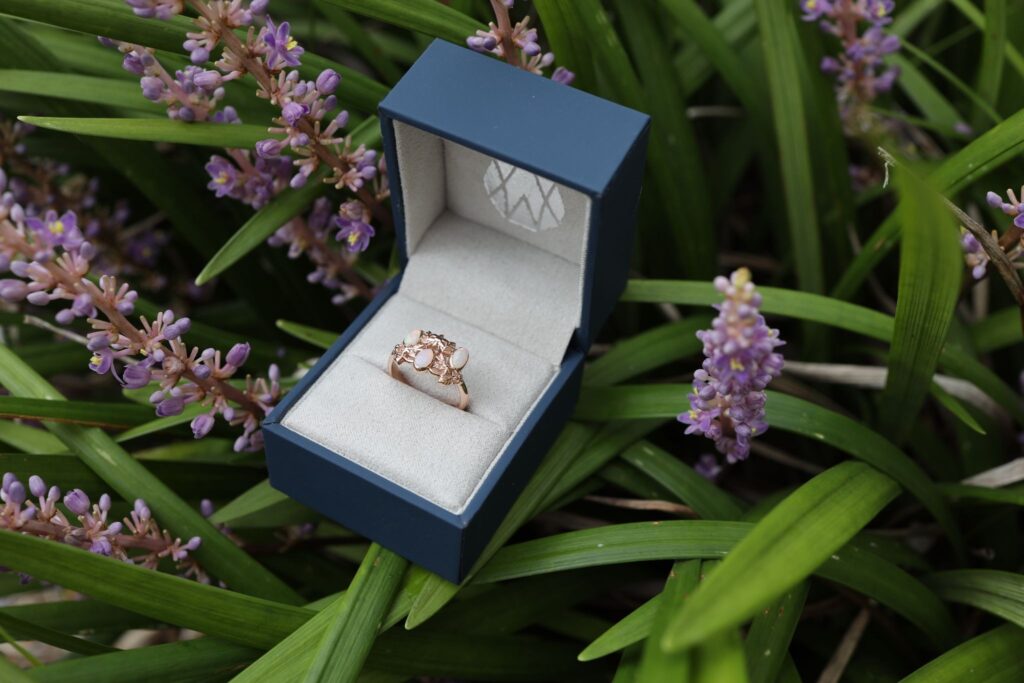
The most overlooked protective detail in a custom ring is how it sits in real life, not just how it looks in a rendering. A custom ring can be stunning on paper, yet frustrating in daily wear if the stone sits too high, the prongs are too fine, or the profile catches on everything from sweaters to pockets to the ordinary motion of your hands.
That’s why wearability is protection in a custom ring. A low-profile build, thoughtfully engineered prongs, reinforced structure (like a gallery rail), and comfort-first band design all work together to keep your center stone secure. When those elements are right, you don’t have to “be careful” all the time. You simply wear your custom ring and it stays steady, the way it should.
Protection should feel quiet, like the custom ring was built for you, not for display. That’s the difference between something delicate and something devoted: designed to hold beauty without asking your life to tiptoe around it.
If you’re designing a custom ring and want your center stone protected with grace, we’d love to guide you. Start with a one-on-one online conversation, or join us in the studio where we’ll shape the details you may never point out, but will feel every day.