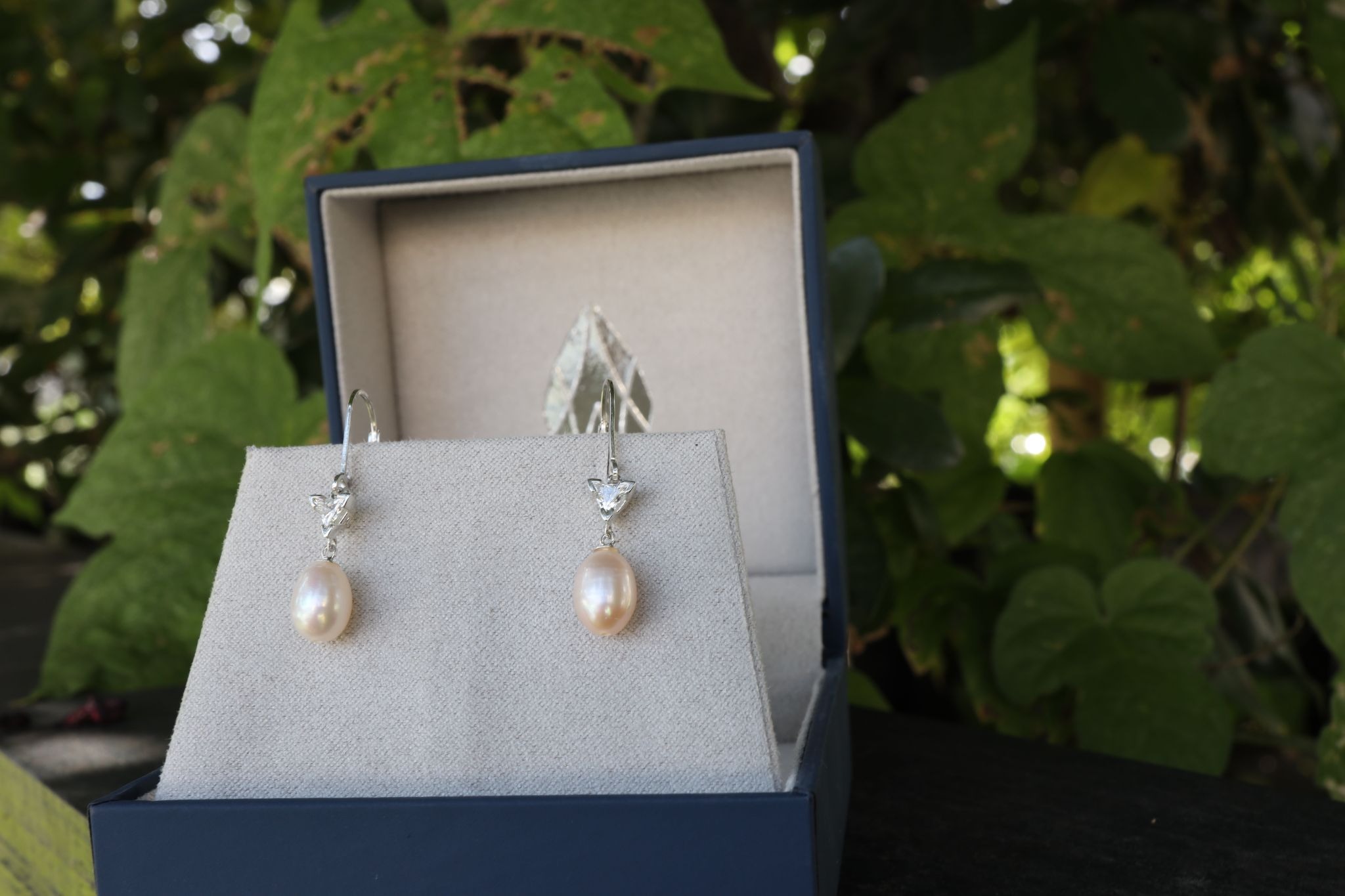
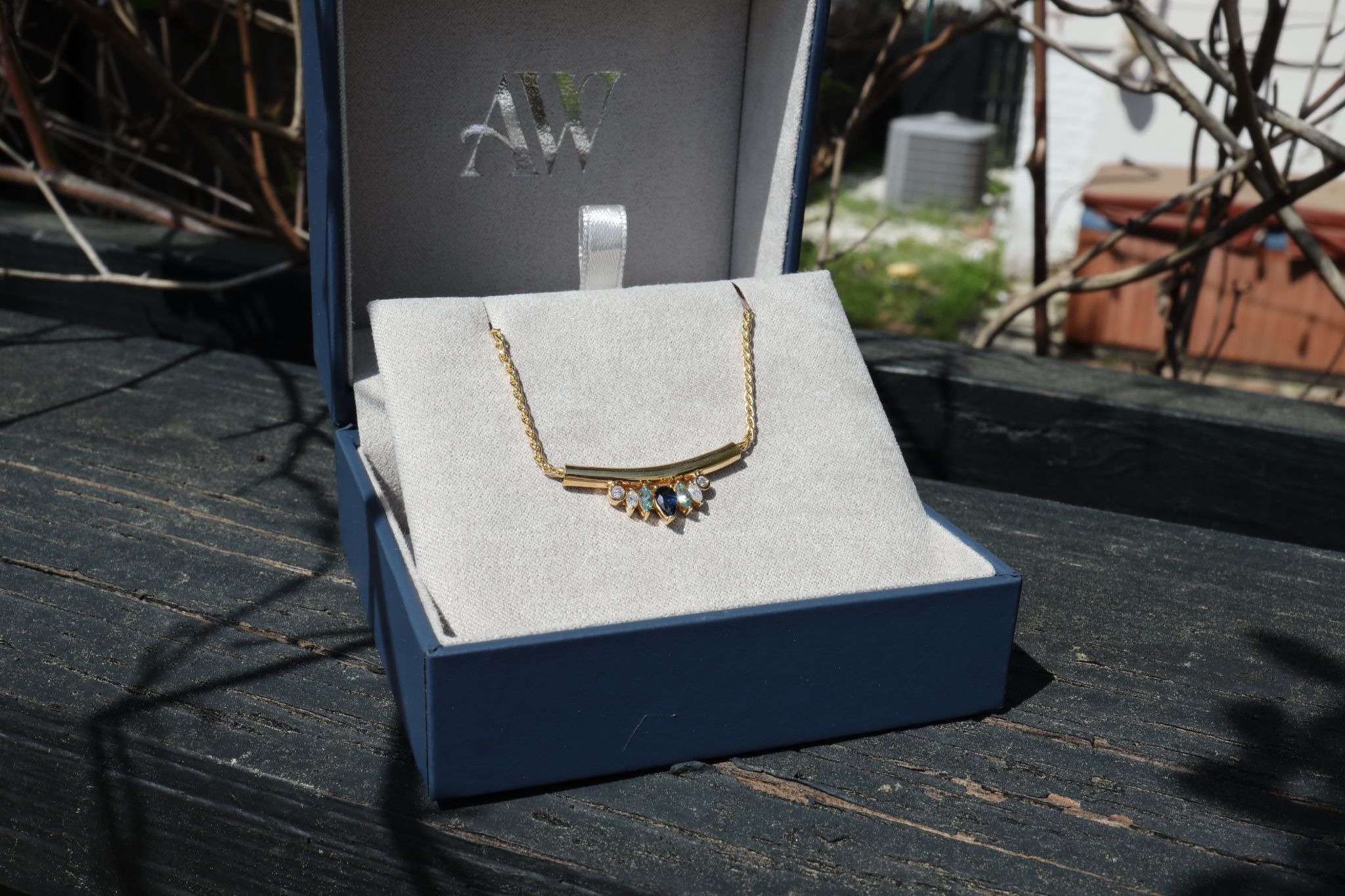
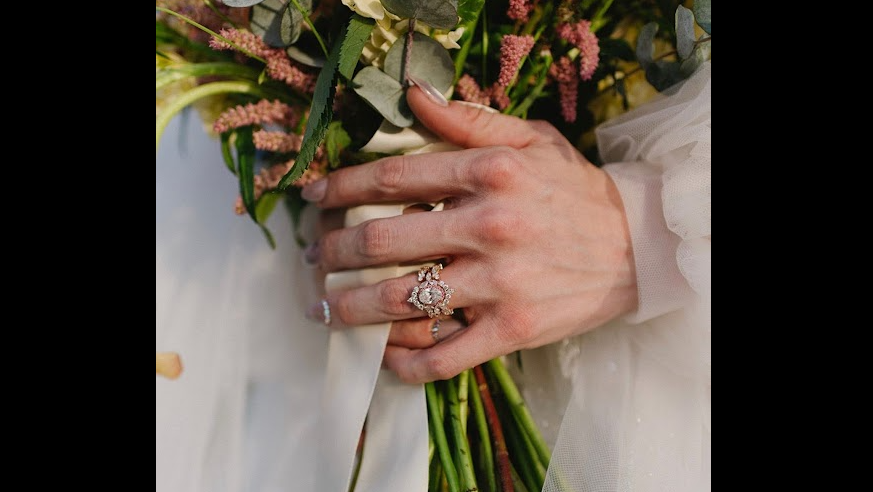
Vintage jewelry carries a certain hush the imprint of hands and decades. When an heirloom is crafted in delicate metal fine filigree, airy prongs, hand-engraved bands, softened gold alloys repair isn’t “fixing.” It’s stewardship: restoring security while honoring proportion, patina, and original intent.
Most heartbreak comes from rushed work, too much heat, heavy polishing, and modern shortcuts. Delicate metal can warp, crack at stress points, or lose the crisp details that make it timeless.
At AW Jewelry, we treat every vintage piece as heirloom soul, engineered with precision. Our Atelier Care begins with Heirloom Renewal: we document condition, identify metal and prior seams, and map risk points before any work begins. We protect hallmarks, preserve patina, and strengthen what time has thinned so what you love stays recognizable, only steadier. Because at AW Jewelry, clarity is part of the craft, and devotion shows up in the details.
How Can I Tell If My Vintage Metal Is Too Delicate for A Standard Repair?
Start with the clues your vintage piece is already giving you. If edges look “knife-thin,” prongs appear flattened, or a clasp has a worn crescent where it rubs, the metal may be at the end of its safe thickness. Older gold alloys can also soften over time, and antique platinum settings may develop fine stress lines from decades of wear.
A quick home test is gentle: hold your vintage piece under bright light and rotate it slowly. If you see micro-bends, ripples, or gaps that open and close, that’s movement, and movement is the enemy of delicate metal.
The safest next step is a bench-level inspection: magnification, measurement, and a plan. Always ask for photos of weak points and an explanation you can repeat back. If the jeweler can’t show you the “why,” keep looking. You may notice a lighter feel, a tinny tap, or links that twist instead of drape against your neck, small signals your vintage piece needs careful, measured renewal.
What Questions Should I Ask to Make Sure A Jeweler Respects Delicate Vintage Metal?
If you’re asking out loud, try: “How will you keep this piece looking like itself?” Then listen for specifics, not reassurance. A careful jeweler should welcome questions like these:
- What metal tests will you do before starting, and will you protect the hallmarks?
- Will you use laser work, hand tools, or a torch and why is that safest here?
- How will you support thin areas so they don’t collapse under pressure?
- What parts will you avoid polishing, and how will you match the finish?
- If you find old solder or a prior repair, will you call me before changing the plan?
A good answer sounds measured: photos, measurements, options, and trade-offs. The best answer includes a clear “stop point” a moment they’ll pause and consult you if the piece asks for a different approach. You want partnership, no surprises, because vintage metal doesn’t forgive guesses only patience and precision, always.
Will Heat from Soldering Harm Filigree, Milgrain, or Hand-Engraving?
When you’re looking at vintage filigree or crisp milgrain, it helps to remember: those details aren’t just decoration, they’re structure, texture, and history pressed into delicate metal. Heat can be the difference between “renewed” and “rewritten,” so it’s worth understanding what’s truly at risk before any work begins.
Why Heat Is the Biggest Risk:
Delicate vintage metal is often thin, already work-hardened, and stitched together with older solder seams. Traditional torch heat can travel farther than you expect, softening crisp milgrain, blurring engraving, or pulling a filigree panel out of square.
Safer Options to Ask About:
Laser work focuses energy in a small zone, which can protect surrounding detail. Sometimes, though, a torch is still appropriate especially when rebuilding structure if the jeweler uses heat sinks, shielding, and a slow, controlled approach.
The Question That Matters Most:
Always ask: “Where will the heat go, and what will you do to stop it?” A confident answer includes specific barriers, a plan to remove heat-sensitive stones, and a promise to preserve edges and texture rather than polishing them away. Request before-and-after photos of similar work and confirm the solder color will be matched so repair lines don’t announce themselves in daylight.
The right approach protects the fine work you fell in love with so your piece returns steadier, still unmistakably itself.
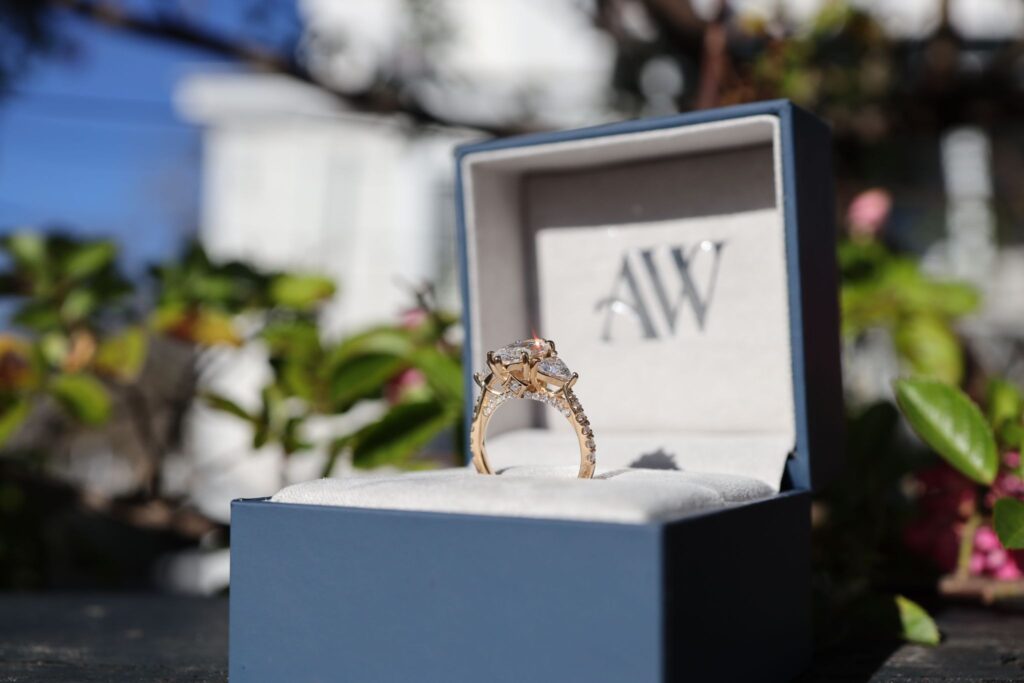
Can Resizing A Vintage Ring Shift Stones or Weaken Prongs?
Yes, especially with older settings built in thinner metal or with tall, graceful shoulders. When a ring is sized, the band’s curvature changes, and that change can subtly alter the angle of the head, the alignment of prongs, and the way a stone sits. On an antique piece, prongs may already be worn, and the resizing process can open tiny gaps you won’t notice until a stone starts to “click” or snag.
Always ask your jeweler to explain where the cut will be made and how they’ll keep the setting stable during soldering or laser work. A thoughtful plan often includes checking every stone after sizing, tightening as needed, and re-establishing symmetry so the ring sits centered on your finger.
If the ring has engraving, request a sizing method that preserves the pattern and doesn’t leave a bright, new scar. Remember: size change can feel big on an old band still.
How Do You Preserve Patina and Hallmarks during Repair?
Patina is not dirt; it’s history. On vintage gold and silver, that soft glow and gentle darkening live in the recesses, around engraving, and near seams. Over-polishing can erase crisp edges, thin the metal further, and wipe away hallmarks of the tiny stamps that prove provenance and often help date a piece.
Before any work, ask for a “no-surprise finish plan.” That means the jeweler notes what surfaces should stay untouched, masks areas near stamps, and uses hand-finishing instead of aggressive wheels. If a section must be rebuilt, they should blend the new metal thoughtfully so it doesn’t look like a patch. You can also request a light clean only, leaving character intact while removing skin oils that weaken settings over time.
The goal is refined renewal: safer, stronger, and still unmistakably vintage. If you want it brighter, ask for reversible steps first, and keep the original texture where possible.
What Hidden Risks Come from Old Repairs and Mixed Metals?
Vintage pieces often carry “ghost repairs” work done decades ago with different solders, different standards, and sometimes different metals than the rest of the jewel.
A yellow-gold shank may be joined to a white-gold head; a platinum prong may sit beside an older, softer solder seam. Those transitions can behave unpredictably when heated or stressed, and they’re common places for cracks to restart.
Always ask your jeweler how they’ll identify prior work. Under magnification, they can spot color shifts, porosity, and seam lines; with proper testing, they can confirm alloy and karat. The key is honesty: if the piece has been repaired multiple times, the safest path may be reinforcement, not another quick patch.
A well-guided repair plan names these risks up front, so your expectations and your heirloom stay protected. Ask whether stones were foiled, glued, or set with shellac older methods that can fail with cleaners and heat suddenly.
How Will You Test the Repair so I can Wear It Confidently?
The repair isn’t finished when the metal cools; it’s finished when it’s proven. Always ask what checks happen after the work is done. A responsible jeweler will re-seat and tighten stones, inspect prongs under magnification, and confirm that clasps close with the right tension. On chains and bracelets, they should test solder joints for smoothness and strength so links don’t catch or reopen. For rings, they should verify roundness and comfort, because an out-of-round vintage band can stress settings over time.
You can also ask for “wear simulation” gentle flexing, controlled pull tests on clasp points, and a final inspection under bright light. If your piece is especially delicate, request photos of the repaired area and a care note you can follow at home. Confidence comes from clarity, not from crossing your fingers. The right workshop will also stand behind the work with a written service record and a follow-up check.
When Should I Reinforce or Rebuild Instead of Repairing the Same Delicate Spot Again?
If a crack returns in the same place, the metal is telling you something: that area is carrying more stress than it can bear. Repeated “spot fixes” can actually shorten the life of delicate vintage metal, because each heating cycle and each polishing pass removes material and changes structure. Reinforcement can be the kinder, more timeless choice adding a hidden sleeve inside a thin shank, rebuilding prongs with stronger geometry, or replacing only the most compromised link in a chain while preserving the rest.
Always ask your jeweler to show you the stress path: where the piece flexes, where it rubs, and where weight concentrates. Then ask for options ranked by longevity and preservation. The best plan protects original details while quietly engineering new strength where you’ll never notice it. That’s how an heirloom earns another generation. If you hear, “No guarantees,” request a stronger repair design, not a gamble ever.
Vintage jewelry doesn’t ask for perfection, it asks for care. When you slow down, ask the right questions, and choose a jeweler who treats delicate metal like a living material, your piece can be secured without losing its grace. Let the repair be a renewal, not a rewrite.
If you’d like a second set of eyes, we’re here. You’re welcome to step into our atelier for a hands-on assessment, or begin with a private video appointment from wherever you are. Share a few clear photos, tell us what the piece means to you, and we’ll map next steps with calm clarity whether that’s a simple reinforcement, a thoughtful rebuild, or guidance on what to leave untouched. Your heirloom has kept its promise this long. Let’s help it keep that promise for the years ahead.