You don’t realize how many “important” pieces you own until you try to appraise jewelry for protection. A ring you wear daily. A pair of earrings you save for weddings. A bracelet you inherited but never really understood. Then the practical question hits: Do I appraise everything together, or do I handle each piece on its own?
At AW Jewelry, we see appraisals as clarity, not paperwork. A way to protect the promise behind what you wear and what you keep. Heirloom soul, engineered precision, documented so life can keep moving without anxiety. And whether you go together or one by one, the best choice is the one that fits your purpose, your timeline, and the way you actually wear your pieces.
Is It Cheaper to Appraise Jewelry When You Bring Multiple Items at Once?
Often, yes, appraising several pieces in one appointment can be more cost-efficient because the setup time is shared.
The appraiser can photograph, test metals, and document details in a smoother flow rather than repeating intake steps across separate visits. That said, whether it’s “cheaper” to appraise jewelry in one appointment depends on complexity. Five simple gold chains are not the same workload as five diamond pieces with multiple stones, designer markings, or intricate settings.
If you’re insuring a collection, choosing to appraise jewelry in a bundled report can also make your documentation feel more consistent, same photo style, same description format, same valuation approach. The biggest advantage is convenience: you bring everything once, get everything back documented together, and leave with a clear inventory. Still, don’t choose “together” purely for cost.
Choose it if you want one cohesive snapshot of what you own right now, especially if you’re updating coverage, preparing for travel, or organizing an estate file.
When Is It Better to Appraise Jewelry One by One?
One-by-one is smarter when timing and purpose are different for each piece.
If you’re only insuring your engagement ring right now, you don’t need to drag the whole jewelry box into the process. It’s also wise to appraise jewelry individually when some pieces are being repaired, resized, or reset, because those changes can affect the final appraisal details. Another reason is emotional pacing.
Heirlooms can carry family dynamics, and sometimes it’s easier to start with one item you feel clear about, then return later with the rest. Choosing to appraise jewelry one piece at a time also helps when items belong to different people or different policies; like gifts for children, pieces being divided among siblings, or jewelry stored in separate locations.
The goal is not “one correct method.” The goal is clarity that matches your life. If appraising everything at once feels overwhelming, appraise jewelry in calm stages, steady progress that still protects what matters.
Does Appraising Together Change the Accuracy of the Values?
One-by-one is smarter when timing and purpose are different for each piece.
If you’re only insuring your engagement ring right now, you don’t need to drag the whole jewelry box into the process. It’s also wise to appraise jewelry one piece at a time when some items are being repaired, resized, or reset, because those changes can affect the final appraisal details. Another reason is emotional pacing.
Heirlooms can carry family dynamics, and sometimes it’s easier to begin with one item you feel clear about, then return later with the rest. Deciding to appraise jewelry individually also helps when pieces belong to different people or different policies, like gifts for children, items being divided among siblings, or jewelry stored in separate locations.
The goal is not “one correct method.” The goal is clarity that matches your life. If appraising everything at once feels overwhelming, you can appraise jewelry in calm stages, steady progress that still protects what matters.
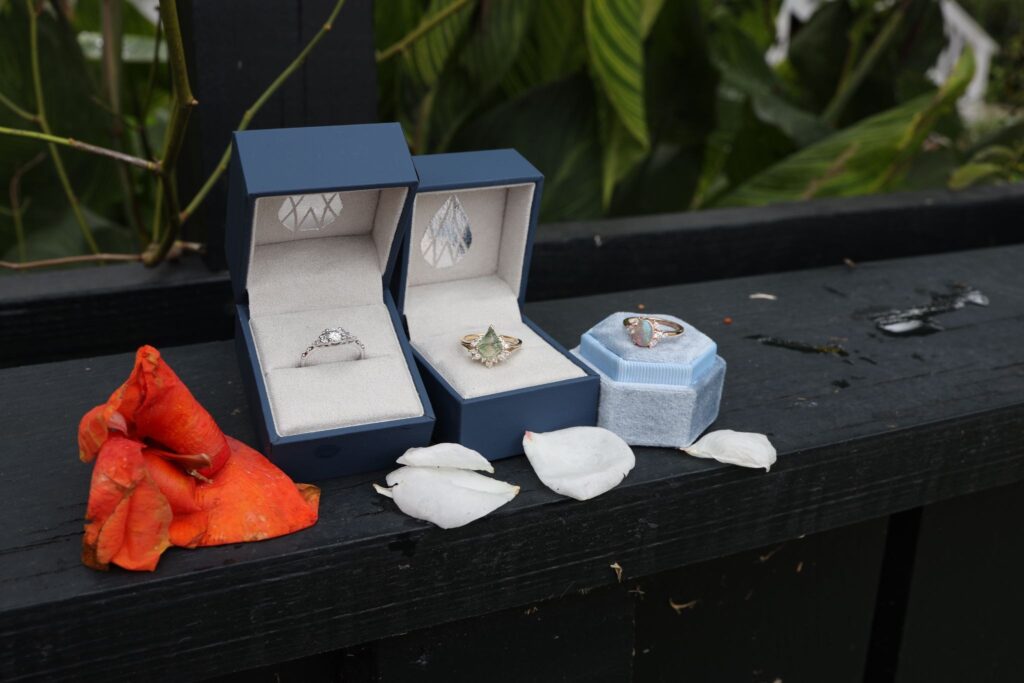
Will Insurance Prefer a Single Appraisal Document or Separate Ones?
Insurance companies typically care less about “one document vs many” and more about whether each insured piece is clearly described and properly valued for the policy purpose when you appraise jewelry.
In practice, many appraisers provide a report that includes multiple items, each listed as its own entry with photos and specifics, while others deliver separate documents per piece. Either can work, as long as the report is detailed and readable. What insurers do prefer is clarity: identification photos, stone details, metal purity, and a replacement value that matches the policy type, all captured when you appraise jewelry.
If you’re insuring a collection, a single multi-item report can feel organized and easy to submit. If you’re insuring only one high-value piece, a standalone document is clean and simple. The best move is to ask your insurer what format they prefer before you finalize, then match the paperwork to the requirement without overcomplicating how you appraise jewelry.
What Details Should Be Listed Separately for Each Piece in a Group Appraisal?
Even in a bundled report, each piece should stand on its own, because insurance and future replacement depend on specifics. Here’s what you want clearly separated per item:
- Metal type and purity (example: 14K, 18K, platinum)
- Item weight and measurements (when relevant)
- Stone type(s), shapes, and approximate sizes
- Setting style and craftsmanship notes (halo, pavé, bezel, etc.)
- Condition notes (wear, prong security, missing stones)
- Clear photos of the piece (front and profile when possible)
- Replacement value and the stated appraisal purpose
This matters because “ring with diamonds” isn’t a replacement instruction. It’s a vague memory. The report should read like a blueprint for restoring your exact piece. If your appraisal lumps pieces together without item-by-item clarity, it’s not protecting you, it’s just producing paper. You deserve documentation that can actually do its job.
Should I Appraise My Jewelry Collection as One Group or Separate High-Value Pieces?
If you’re feeling torn, you’re asking the right question, because the “best” option depends on what you need when you appraise jewelry. Think of it as choosing between one clean snapshot of everything, or a few crystal-clear files for the pieces that carry the most weight.
If Your Goal Is Insurance Simplicity:
A grouped appraisal is often easiest when you’re insuring several pieces at once. Everything is documented in one organized report, with consistent photos and descriptions, so your insurer can process it without back-and-forth.
If Your Goal Is Heirloom Clarity:
Separate appraisals can make more sense for heirlooms, especially if family sharing, future division, or estate planning is involved. A standalone file keeps the story, specs, and value clean and easy to reference later.
If Your Goal Is Budget and Timing:
Bundling can be more efficient when you’re ready to handle multiple items in one appointment. But if you’re not prepared to appraise everything at once, doing it in phases keeps the process calm and manageable.
If you want one clear snapshot of “everything I own,” go together. If you need clean documentation for specific pieces with special meaning or future decisions attached, go one by one. Either way, the right appraisal should leave you feeling steadier, like your collection is protected with the same intention it was chosen.
Can I Appraise a Whole Collection Now and Add One Piece Later?
Yes, and it’s common. Many people start with a collection appraisal, then add pieces as life happens: an anniversary gift, a new band, inherited earrings, a redesigned heirloom. The only thing to watch is consistency: adding later means that new value reflects a different moment in the market, which is completely normal but can make your documentation feel slightly mixed across dates.
The fix is simple: keep your reports organized and labeled by year, and consider updating older appraisals on a regular rhythm so everything stays current. If you’re insuring, ask your provider how they want additions documented, sometimes they’ll want an updated endorsement, sometimes just the new appraisal entry.
The key is not perfection; it’s continuity. Your jewelry story grows over time, and your paperwork can grow with it, clean, calm, and easy to manage.
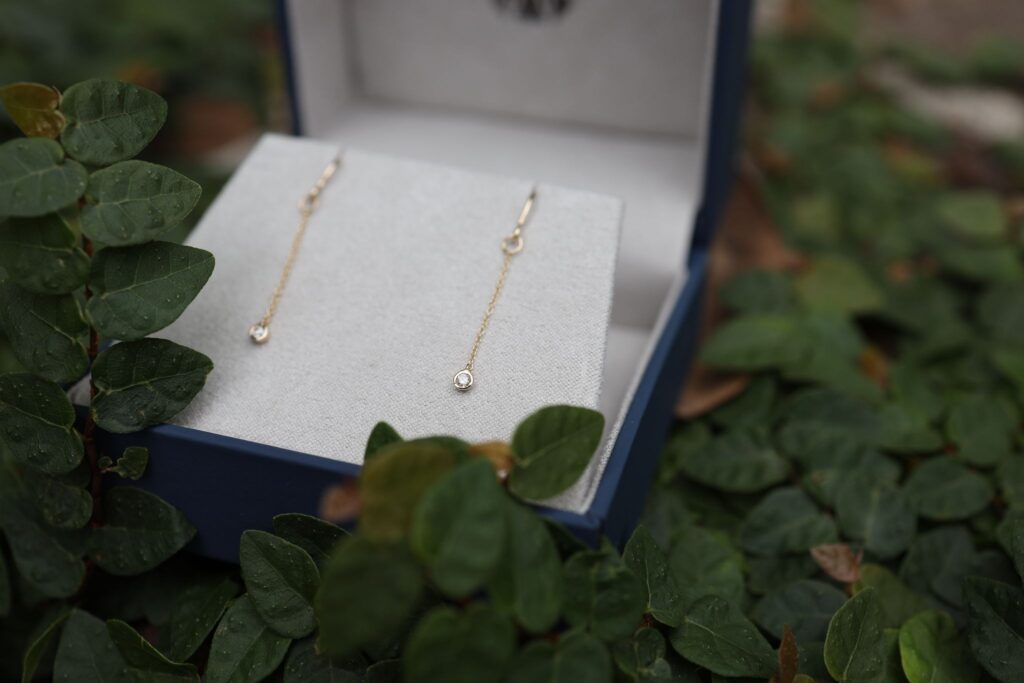
What’s the Best Approach If Some Pieces Are Heirlooms and Some Are Everyday Fine Jewelry?
This is where a blended strategy often feels best. Heirlooms may need more careful documentation because they can include older cuts, unusual proportions, maker’s marks, or sentimental details you’ll want preserved in writing. Everyday fine jewelry may be simpler to document but more likely to be worn, and therefore more relevant to insure.
A smart approach is to appraise jewelry together for efficiency, while ensuring heirlooms receive deeper narrative detail in the report: history notes (if you want them included), unique craftsmanship descriptors, and thorough photos. If family dynamics are involved, like future division among siblings, you may prefer to appraise jewelry heirlooms individually so each piece has its own clean file for future decisions.
The goal is not to treat everything equally. It’s to treat everything appropriately, so the pieces you’d most want to replace exactly have the clearest protection.
In the end, this isn’t a question of right versus wrong, it’s a question of what brings you the most clarity. If you want an organized snapshot of your whole collection, appraising together can be wonderfully efficient. If you’re prioritizing one piece, one policy, or one family decision at a time, appraising one by one can feel steadier.
If you’re deciding the best path for your collection, AW Jewelry can guide you with calm precision, so your pieces are protected as thoughtfully as they were chosen. Arrange your appointment via video call or in our workroom, and let’s put true clarity around what matters most.