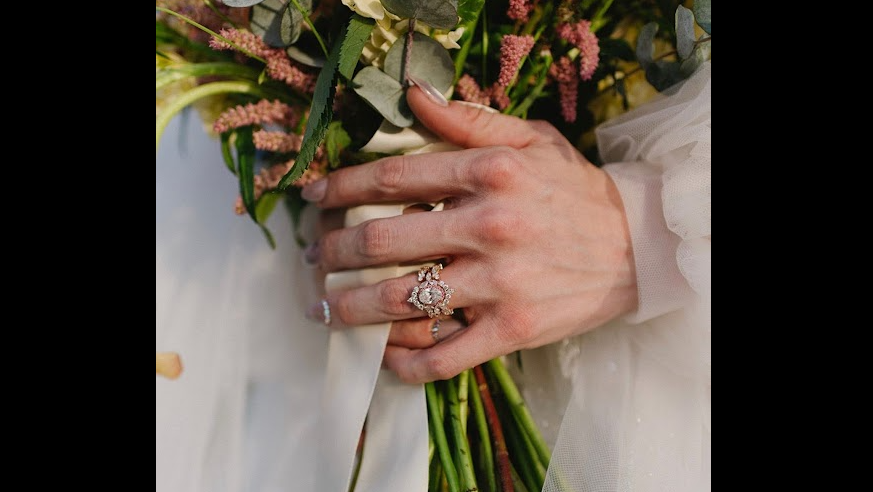
A ring carries a promise through everyday life; handwashing, travel, and the quiet knocks you barely notice. Because it’s worn daily, it can show wear faster than most heirlooms, and staying clean and aware of early signals helps prevent a minor issue from becoming a missing stone.
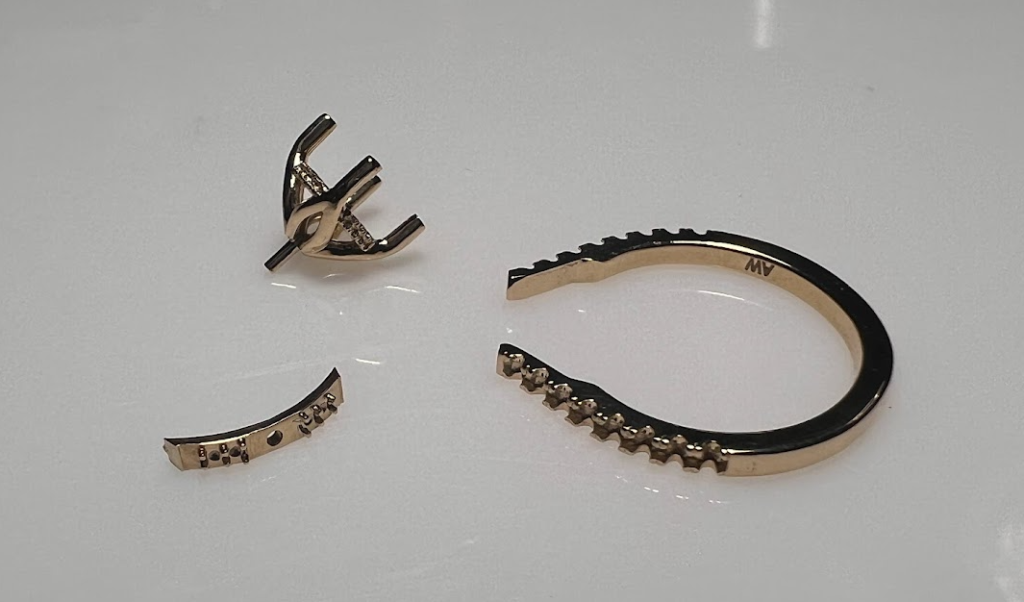
Remove your ring right away if you hear clicking, feel a stone shift, notice prongs snagging, or see cracks, deep dents, or an out-of-round band. If the center stone looks tilted, or there’s been an impact (a hard bump, drop, or sharp snag), pause wear, those are often structural warnings.
If it spins more than usual, pavé looks uneven, or the shank feels thinner, book an evaluation soon. Do a quick at-home check: compare prongs under bright light, listen for a rattle, and glide a soft cloth over the setting for snags then store it separately until it’s assessed. AW Jewelry believes every ring is an engineered promise, and timely care is how that promise stays steady.
When Should I Stop Wearing My Ring and Book a Repair?
Stop wearing your ring the moment you suspect the setting isn’t secure or the metal isn’t sound. Take it off immediately if you hear clicking, feel a stone shift, or notice prongs catching fabric, then inspect the setting in bright light for uneven prongs or gaps. Remove it if the band is cracked, deeply dented, or bending out of round, because metal fatigue can fail suddenly under normal grip.
A center stone that looks tilted or off-center is another “pause now” signal, often caused by an impact that moves the head. Even without obvious damage, book a repair when the ring feels different on the finger: spinning more, feeling sharper, or sitting higher, those are your cues to inspect and stop wear.
Store the ring in its pouch or box, away from other jewelry, and schedule an evaluation within a week, so you can inspect early and protect what matters most.
Is It Safe to Keep Wearing a Ring with a Loose Stone?
No. If a stone is loose, the setting has already lost the engineered tension that keeps the gem seated.
Normal movement washing hands, putting on a coat, gripping a bag can widen the gap, chip the stone at the girdle, or let it slip free. Even a “tiny” rattle can become a loss in a single afternoon, especially with prongs that are worn, bent, or uneven. Take the ring off, place it in a small box or pouch, and avoid wrapping it in tissue where it can snag and worsen the problem. If you’re traveling, keep it in your carry-on and don’t store it loose in a pocket. Then book a professional tightening and inspection.
A quick adjustment now is usually simpler than replacing a missing stone later and it preserves the integrity of the ring’s original setting. For engagement rings, pause immediately; that center stone carries both meaning and the highest risk.
What Are the Most Common Warning Signs That My Ring May Break or Lose a Stone?
Rings usually give repeat signals before a failure. Watch for these common warnings:
- Clicking or rattling when you tap the ring near your ear
- Prongs that snag fabric, look flattened, or appear shorter than their neighbors
- A center stone that looks tilted, off-center, or higher on one side
- A band that feels thinner at the bottom or shows a sharp “knife-edge” feel
- Visible cracks, deep dents, or an out-of-round shape
- Missing pavé or channel stones, or small gaps around tiny stones
- New rough edges that scratch skin or catch hair
If you notice one sign, book an inspection soon. If you notice two or more, stop wearing the ring and store it safely. Under magnification, a jeweler can confirm whether you need tightening, retipping, reshaping, or shank reinforcement before damage becomes irreversible. Early attention protects the piece’s balance, comfort, and heirloom future quietly.
How Often Should I Have My Prongs Checked If I Wear My Ring Every Day?
If you wear your ring daily, plan for prong checks about every six months. That cadence is especially wise for raised solitaire heads, delicate pavé, halos, and any setting that sits high enough to meet doorframes and countertops. If you wear the ring only on occasions, annual checks are often enough.
Lifestyle matters: gardening, weight training, healthcare work, frequent travel, and cold-weather gloves can increase knocks and snags, shortening the interval. Also schedule a check after any “ring moment” , a hard hit, a sudden snag, or the day you notice the center stone looks slightly tilted.
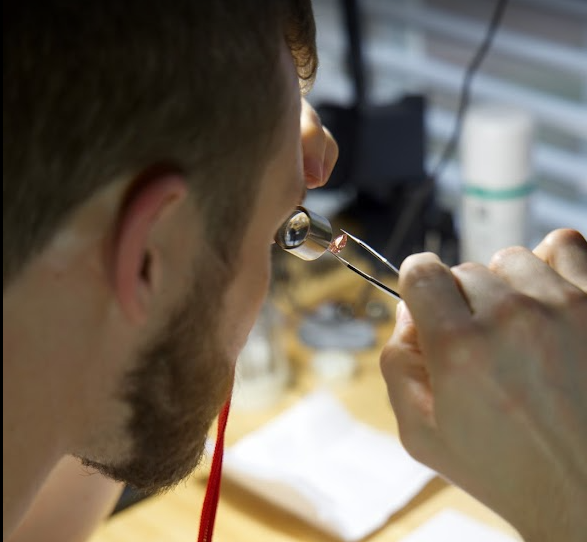
A prong inspection is quick, but it’s powerful: under magnification, a jeweler can see thinning, lifted tips, or worn seats long before a stone is at risk. Think of it as preventative stewardship for a promise you intend to keep. Regular checks also keep the ring comfortable, balanced, and easier to wear without worry daily.
How Often Should I Professionally Clean and Inspect My Ring?
Professional cleaning does more than brighten your ring; it clears away buildup that can hide wear in prongs, pavé, and the shank. A routine inspection also lets a jeweler confirm stone security and catch small shifts before they become a loss. For an everyday piece, this is simple stewardship: keeping the promise steady, season after season.
Everyday Wear:
Schedule a professional clean-and-check every six months. This removes buildup that can hide damage and lets a jeweler test stone security under magnification.
Occasional Wear or Heirlooms:
Once a year is typically enough, unless the ring has pavé, antique details, or a high-set center stone then keeps the six-month rhythm.
After a Knock or Snag:
Come in right away if the ring took a hit, caught on fabric, or suddenly feels different. One impact can lift a prong or bend a head without obvious clues.
At-home care is helpful, but it can’t replace trained eyes, tightening tools, and precise measuring. Regular inspections are a refined form of devotion: small, steady choices that protect comfort, proportion, and the ring’s long future. If your ring is gold, you may refresh plating as it dulls, but inspection comes first. Avoid DIY cleaners on fragile gems; ask a jeweler for a safer plan.
Should I Stop Wearing My Ring If It Feels Tight or Spins Too Much?
A sudden fit change is worth taking seriously.
If the ring feels tight, don’t force it on or off; pressure can bend the shank, stress stones, and irritate your skin. Swelling can be temporary heat, travel, hormones, salt, or medication shifts so give your hands time, and remove the ring before it becomes stuck.
If the ring spins or slips more than usual, it may be a finger-size change, but it can also signal a thinning band that no longer balances the setting. Excess spinning increases wear on prongs and pavé because the ring rotates into more contact points.
If the ring is uncomfortable, leaves deep marks, or feels unstable, stop wearing it and book a sizing or fit evaluation. A well-fit ring sits steady, protects its stones, and feels quietly effortless exactly as it should. In the meantime, wear a simple band and keep the sentimental piece safe at home securely today.
Can I Keep Wearing My Ring If The Band Is Thinning or Cracked?
If the band is noticeably thinning or shows any cracking, stop wearing the ring. The bottom of the shank takes the most daily abrasion, and thinning there is a classic sign of metal fatigue.
A crack is urgent because it can spread quickly sometimes with one firm twist of a doorknob, a suitcase handle, or a handshake. Continuing to wear a compromised band can also distort the setting above it, loosening stones and changing symmetry. Avoid home “fixes” like squeezing the ring closed, bending it back, or coating it with glue; those can worsen alignment and complicate professional work. Instead, store the ring separately in a box or pouch and book an evaluation.
Shank reinforcement or replacement can be done in a way that honors the ring’s original proportions, restoring strength without erasing its character. Ask for photos and measurements before and after, so you understand what changed and why clearly.
What Happens during a Ring Repair Appointment and How Long Does It Take?
A thoughtful repair starts with an assessment, not a guess.
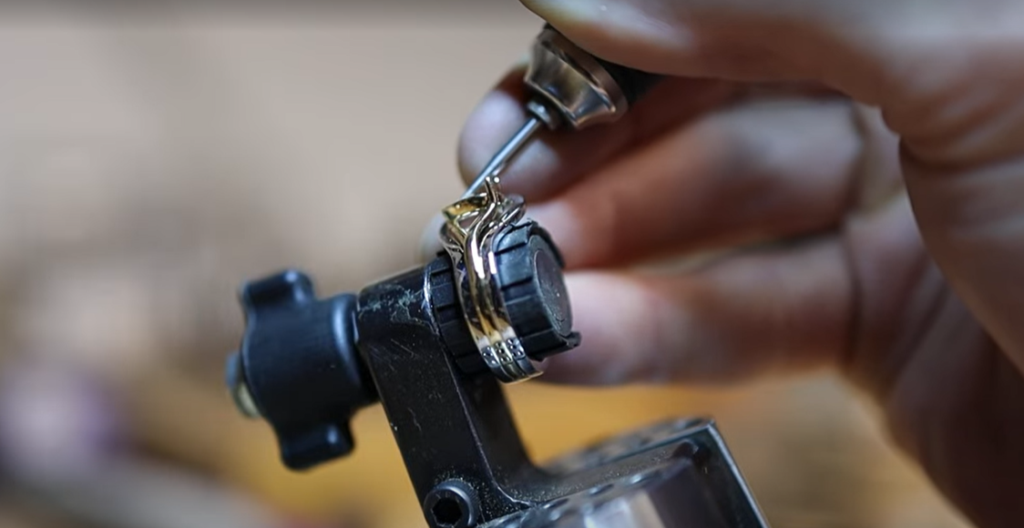
Your ring is inspected under magnification for prong wear, seat integrity, micro-cracks, thinning at the shank, and any signs of impact or distortion. The jeweler will measure fit, check symmetry, and ask how you wear the ring daily, occasionally, travel, or hands-on work because lifestyle informs the best solution.
Next comes a clear plan: tightening, retipping, rebuilding a head, sizing, reshaping, or refinishing, with notes about what will change and what will remain original. Timing depends on complexity and materials. Some tighten-and-polish work can be turned around quickly, while rebuilds or special-order parts take longer.
Before you leave, you should receive care instructions and a timeline you can trust. Ask whether stones will be removed for safety, whether you’ll receive photos, and whether the work will be done on-site. An atelier will explain ranges, stewardship standards, and next steps before any bench work begins.
Your ring was made to be worn, and it was made to last. When it clicks, snags, tilts, thins, or simply feels different, pause because preservation is part of the promise.
When you’re ready, reserve a bench-side appointment in our atelier, or choose a remote guidance session from wherever you are. Our Atelier Care delivers an heirloom renewal so your ring returns to you steady, secure, and ready for the life you’re living.