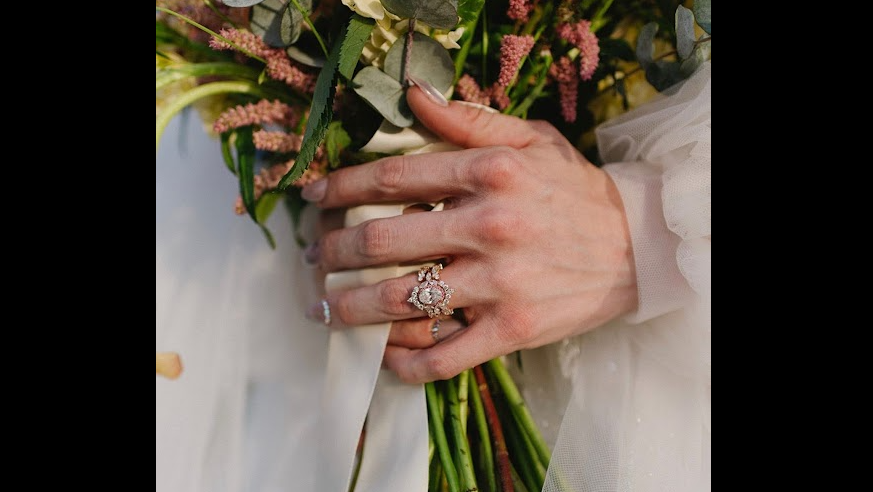
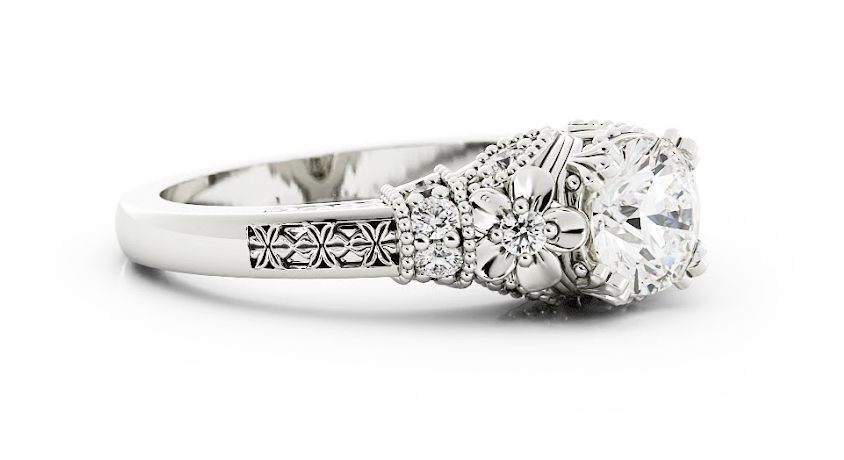
There’s a very specific kind of excitement that shows up when the engagement ring CAD arrives. You open the file, zoom in like a detective, and suddenly you’re staring at the ring, not a mood board, not a sketch, not a “someday.” A real, measurable design that’s about to become metal and stone.
And then the doubts slip in; quiet, normal, human. Why do the prongs look chunky in the engagement ring CAD? Is it too high? Will it snag? What if I approve it and regret something obvious? This is the moment where a little clarity saves you a lot of second-guessing. Because approving an engagement ring CAD isn’t just clicking “yes.” It’s choosing the architecture your future heirloom will live in.
At AW Jewelry, we treat CAD approval like a vow, calm, considered, and deeply personal. The goal isn’t perfection on screen; it’s devotion that wears beautifully in real life. Because refined design should feel steady now, and still feel right decades from now.
What Should I Check First When I Look at My Engagement Ring CAD?
Start with the silhouette, how the ring reads at a glance. Is it delicate, bold, airy, grounded? Then zoom in and check the proportions: band width, head size, and how the setting transitions into the shank. If the ring looks “off,” it’s usually a balance issue, not a detail issue.
Next, look at height. Ask yourself how you live: do you wear gloves, work with your hands, style your hair, have little ones grabbing at your ring? Height changes everything. Then check the stone’s position. Is it centered? Does it sit level? Does the design feel stable, not top-heavy?
Finally, look at the places you’ll feel every day: inner band comfort, edge softness, and whether the ring will sit nicely next to a wedding band. CAD is your chance to adjust the bones, not just the beauty. Get the bones right, and everything else becomes easy.
What Measurements Matter Most Before I Approve the CAD Model?
If you only focus on one thing, focus on the measurements that affect comfort, durability, and how the ring sits on the hand. The most important ones usually are: band width, band thickness, overall height, and the exact stone dimensions your setting is built around.
Band width is what your eye reads first, but band thickness is what your ring lives on. A ring can look delicate and still be engineered to last, if the thickness is right. Height determines snag risk and everyday practicality. And stone measurements control everything: how the seat fits, how prongs land, and whether the stone looks visually balanced from the top.
Also ask about clearance for a wedding band. Some designs look dreamy in CAD, then surprise you later when your wedding band can’t sit flush. If flush is important to you, say it now. Measurements aren’t just numbers, they’re the difference between “pretty” and “perfect for your life.”
Why Do Prongs Look Thick or “Clunky” in My Ring CAD Rendering?
Because CAD is telling the truth in a louder voice than real life does. On screen, prongs often appear heavier, sharper, and more obvious than they will once they’re finished by hand. Early CAD favors structure: it shows where strength lives, where the stone seat is, and how the prongs will hold under daily wear.
It’s also common for CAD prongs to be modeled as a touch sturdier on purpose. Final prongs are refined during finishing, smoothed, shaped, and polished so they feel elegant, not bulky. What you’re seeing is the “workshop version,” not the “heirloom version.”
Still, you should absolutely ask: What will the final prong style be, claw, rounded, tab? How many prongs? How will they be tapered? Where will they land on the stone? Prongs are tiny, but they control the whole mood of the ring. Make sure they match your vision.
How Do I Know if My CAD Ring Design Will Sit Flush With a Wedding Band?
You’ll know your CAD ring design will sit flush with a wedding band by looking at one key area: the space beneath the center setting. In the CAD, check whether there’s enough clearance under the head for a straight band to slide all the way in without hitting the prongs, gallery, or basket. If the setting drops low or flares outward, a gap is likely.
Ask your jeweler to show you the CAD with a straight wedding band placed next to it. This side-by-side view reveals the truth quickly, whether the bands touch cleanly or leave space between them. Also ask about the ring’s height and gallery shape, as these are the usual reasons a band won’t sit flush.
If a flush fit matters to you, it can often be designed in with small adjustments. And if you love a gap, that’s a choice too, clarity now prevents surprises later.
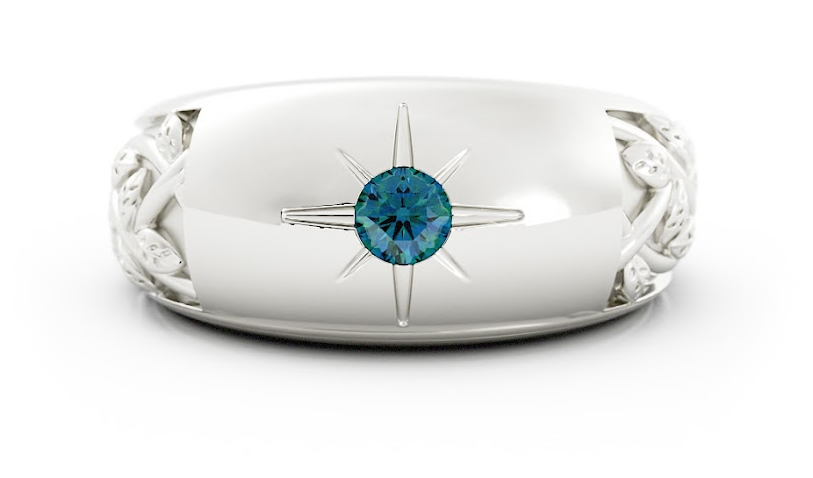
How Can I Tell If the CAD Will Be Comfortable for Everyday Wear?
Comfort is quiet. When it’s right, you forget your ring is there, until it catches the light and reminds you. In engagement ring CAD, comfort comes from choices you can’t always spot unless you know where to look: inner-band shaping, softened edges, balanced height, gallery clearance, and how the ring sits next to other bands.
Ask your jeweler about the inside profile. Is it gently rounded? Are the edges softened or sharp? Then talk about height and snag risk. If you’ve ever had a ring catch on a sweater, hair, or pocket, you already know how quickly that becomes annoying.
Also ask about weight balance in the engagement ring CAD. A top-heavy ring can spin, which turns “stunning” into “fussy.” CAD allows small adjustments, tapering the shank, shifting the head’s balance, slightly changing band width, to help it sit steady.
What Questions Should I Ask About Hidden Details, Pavé, and Side Stones?
This is where the ring becomes yours. Hidden halos, surprise stones, pavé lines, side accents, these details are gorgeous, but they’re also technical. Ask questions that protect both beauty and longevity:
- How will the pavé be set, and how much metal will actually hold each stone?
- What’s the size and spacing of the pavé stones?
- Are the stones shared-prong, micro-prong, bead-set, or channel-set?
- Where are the weak points, corners, edges, bridge areas?
- Will the pavé rub against a wedding band or sit exposed?
- How easy is it to clean underneath the center stone?
- If a tiny stone ever loosens, what does servicing look like?
Tiny stones create a big sparkle, but they also create responsibility in engagement ring CAD design. You’re not being “difficult” by asking, you’re being wise. When the details are engineered properly in your engagement ring CAD, they don’t just look beautiful, they stay beautiful.
What Should My Jeweler Explain Before I Approve the Final CAD?
This is the question that separates “I think it’s fine” from “I feel completely sure.” Your jeweler should be able to walk you through your engagement ring CAD like a story, what you’re seeing, why it’s built that way, and what will look different once it’s finished.
Structure vs. Style:
Ask which parts are purely structural (thickness, seats, supports) and which parts are aesthetic (prong shape, edge softness, line flow). This helps you not panic over things that will be refined later.
Stone Security and Seats:
Ask how the stone is seated and supported. A beautiful setting that doesn’t protect the stone isn’t romantic, it’s stressful.
Wearability and Daily Life:
Ask how the design behaves with gloves, hair, sweaters, and a wedding band. Your CAD should match your lifestyle, not just your Pinterest board.
Final Finishing Expectations:
Ask what will change from CAD to final: prong refinement, edge rounding, polish, and how delicate details will be cleaned up by hand.
If they can’t explain it clearly, ask again. You deserve clarity before you commit.
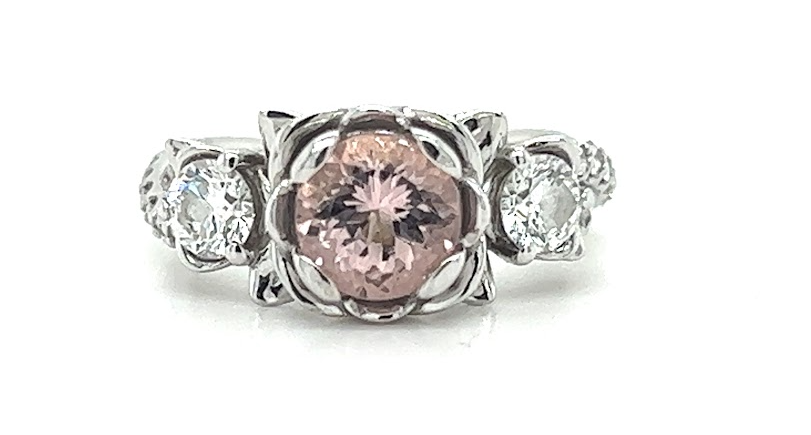
What Happens If I Approve the CAD and Later Want Changes?
You can still make changes later, but they become more complicated, more expensive, and sometimes impossible without rebuilding. Engagement ring CAD approval is the last moment where edits are easy, clean, and intentional. After that, you’re moving into casting, setting, and finishing, where changes can affect structural integrity or require starting over.
.So before you approve your engagement ring CAD, ask your jeweler what “approval” truly means in their process. Ask what happens next, and what is still flexible after approval (if anything). Also ask what files are retained and how the design is documented.
And here’s the comforting part: if life happens years from now, having your CAD on record protects your ring’s identity. When it’s time for Heirloom Revived, our approach to ongoing care and restoration, we’re not guessing. We’re returning to the exact architecture that made your ring yours.
Approval should feel steady, not rushed. If it doesn’t feel steady yet, pause. The engagement ring CAD is not the romance, it’s the scaffold that lets romance last. Ask your questions. Zoom in. Speak up about the gap, the height, the prongs, the way it will sit beside your wedding band. This is not nitpicking. This is guardianship. The engagement ring CAD you approve is the ring you’ll live in.
If you want a calm, guided walkthrough, meet us in a virtual atelier appointment and we’ll read your CAD together, like a map to something timeless. Don’t approve a CAD on a day you feel hurried. Approve it on a day you feel clear. Your heirloom deserves that kind of yes.