Diamonds are steady, bright, resilient, and built to keep their composure through everyday wear. That strength can make it tempting to treat every gemstone the same. But once you move beyond diamonds, the care rules change quickly and for good reason.
Many colored stones have softer surfaces, natural pores, or internal structures that react to heat, chemicals, and vibration. What makes a diamond look crisp can quietly cloud an opal, dull a pearl’s glow, or stain a turquoise. Gentle gemstone cleaning is usually as simple as lukewarm water, a drop of mild soap, a soft cloth or brush, a quick rinse, and careful pat-drying.
At AW Jewelry, we see each piece as a promise made visible heirloom soul, engineered precision, and clarity you can trust. When your jewelry carries devotion, it deserves care that protects both the stone and the story.
Why Do Opals Need Gentler Cleaning Than Diamonds Do?
Opals are sensitive because they’re not just “a hard crystal” like a diamond; they can contain water and have a porous structure. Heat, steam, harsh chemicals, or ultrasonic vibration can lead to cloudiness, surface dulling, or even tiny fractures called crazing. If you’re asking by voice, “Can I soak my opal ring?” The safest answer is: don’t soak it for long.
With gentle gemstone cleaning, use lukewarm water, a tiny drop of mild soap, and a soft cloth then rinse quickly and pat dry right away. Keep opals away from hot showers, saunas, and chemical cleaners. Also remember that many opal jewelry pieces are doublets or triplets (layered constructions), and soaking can weaken adhesives over time. When in doubt, wipe and don’t bathe your opal.
How Does Mohs Hardness Differ from Gemstone Toughness in Gentle Gemstone Cleaning?
If you’ve ever thought, “This gemstone is hard, so why can’t I clean it like a diamond?” you’re mixing two different traits. Mohs hardness measures scratch resistance how well a stone resists being abraded. Toughness measures how well it resists chipping and cracking. A gem can score high on Mohs yet be brittle because of cleavage planes, layered growth, or built-in stress.
Diamonds are extremely hard and often tough enough for steam or careful ultrasonic cleaning, but they can still chip if hit at the wrong angle. Tanzanite shows the opposite: it isn’t “soft,” yet it can fracture with vibration or sudden temperature changes, especially if inclusions are present. That’s why gentle gemstone cleaning looks beyond a number on a chart. It also accounts for daily wear: handwashing, sanitizer, cooking, and lotion buildup.
Can I Use Ultrasonic Cleaners on Emeralds, Tanzanite, or Tourmaline?
For a quick voice-search answer: avoid ultrasonic cleaners for emeralds and tanzanite, and be cautious with tourmaline. Emeralds are often oiled or fracture-filled, and ultrasonic vibration can dislodge oils, widen fissures, or leave a milky haze.
Tanzanite has strong cleavage, so vibration or heat shifts can trigger cracks especially in stones with inclusions. Tourmaline is more variable: some specimens tolerate a gentle cycle, but many have internal growth features or stress that make ultrasonics risky, particularly in rings.
Also remember, the machine can loosen older prongs and delicate pavé settings even when the gem seems “fine.” When you want the safest routine, choose gentle gemstone cleaning at home: lukewarm water, a drop of mild soap, a soft brush under the setting, then a quick rinse and pat-dry. If you’re unsure, let a jeweler choose the right professional method.
What Is The Safest Way to Do Gentle Gemstone Cleaning for Pearls and Mother-of-Pearl?
Pearls and mother-of-pearl are organic gems, and their beauty comes from nacre, delicate layers that can dull with acids, alcohol, and abrasion. If you’re asking, “Can I use jewelry cleaner on pearls?” The safest answer is usually no, because many cleaners strip shine and leave a chalky surface.
For gentle gemstone cleaning, wipe them after each wear with a soft, slightly damp cloth, then dry with a second clean cloth. If they need more, use lukewarm water and a tiny drop of mild soap on the cloth. Never soak, never scrub.
Put pearls on last, after perfume, hairspray, and lotion, and take them off first. Store them away from harder stones that can scratch nacre, and avoid ultrasonic or steam cleaning entirely. When in doubt, ask a jeweler to check your setting and string, too. This routine protects that glow, the kind that reads as calm confidence, day after day.
Why Do Treated or Fracture-Filled Gemstones Need Extra-Gentle Cleaning?
Treated stones can be perfectly authentic and deeply beautiful yet their enhancements may not tolerate aggressive cleaning. That’s why gentle gemstone cleaning is the safer default.
Oiling and Fracture Filling:
Emeralds are often oiled; some stones are filled to improve clarity. Harsh solutions and ultrasonics can remove or cloud fillers.
Dyeing and Stabilizing:
Turquoise and some agates may be dyed or stabilized. Soaking and strong cleaners can fade color or shift the finish.
Surface Coatings:
Certain topaz, quartz, and other gems can have thin coatings for color effects. Abrasives and steam can scratch or lift them.
If you don’t know whether your gemstone is treated, assume it might be. Use lukewarm water, mild soap, and a soft cloth. When you want certainty, a jeweler can identify treatments and tailor the safest care plan.
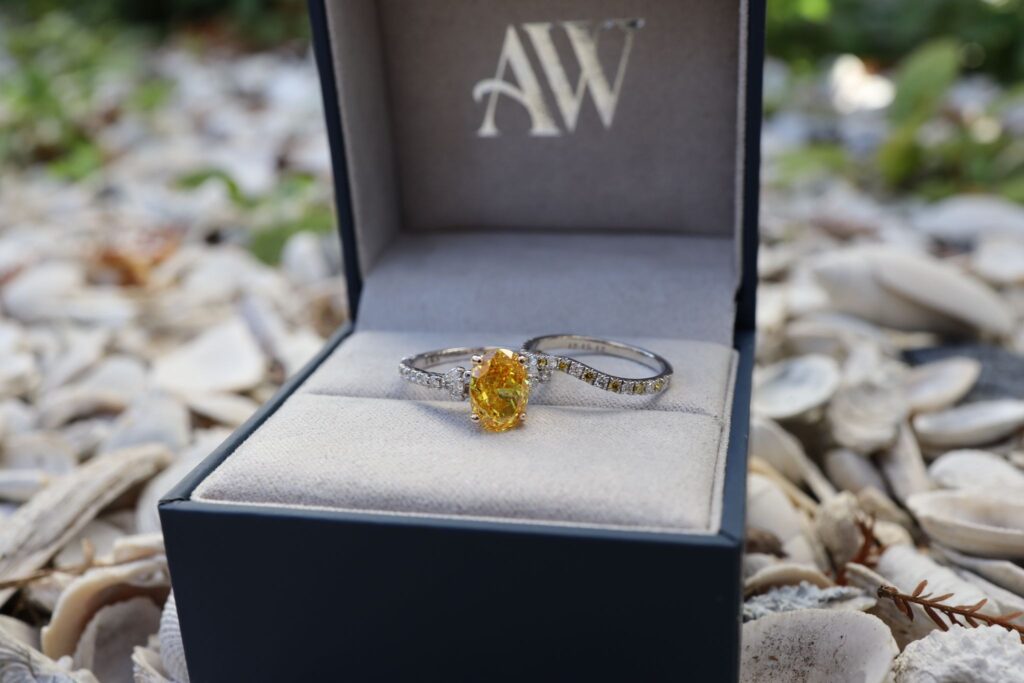
How Often Should I Do Gentle Gemstone Cleaning for Engagement Rings That Aren’t Diamonds?
If your engagement ring isn’t a diamond, maybe it’s sapphire, emerald, morganite, tanzanite, opal, or a family heirloom, your cleaning schedule should match your stone’s personality and your everyday life. A helpful rule for gentle gemstone cleaning is “light weekly, deeper monthly,” with quick touchups after heavy hand days.
Weekly, use lukewarm water, a drop of mild soap, and a soft brush to sweep under the stone where lotion and sunscreen hide, then rinse and pat dry. Monthly, slow down: check prongs in bright light, notice any snagging on fabric, and look for shifts in sparkle. For porous gems like opal or turquoise, keep water contact brief and favor wipe-down cleaning. If you cook, garden, lift, or use sanitizer often, clean a bit more because buildup makes gems look sleepy. Between cleans, remove your ring before pools, bleach, and hot tubs.
What Soap and Tools Work Best for Gentle Gemstone Cleaning at Home?
If you’re asking, “What do I actually need for gentle gemstone cleaning at home?” think soft, simple, and steady. Use lukewarm water and a drop of mild, dye-free dish soap, nothing harsh, nothing scented-heavy. Then reach for tools that protect both gemstone and setting:
- Soft baby toothbrush or clean makeup brush for around prongs
- Microfiber cloth for wiping and drying
- Wooden toothpick (very gently) for trapped debris near settings
- Lint-free towel to dry pieces flat
Avoid toothpaste, baking soda, paper towels, stiff brushes, bleach, ammonia, and “all-purpose” sprays. Skip alcohol wipes and sanitizer on gemstones, especially porous or treated stones. Rinse with clean lukewarm water, pat dry, and let the piece finish air-drying before storing. If the gem is pearl, opal, turquoise, or emerald, choose wipe-down cleaning most days.
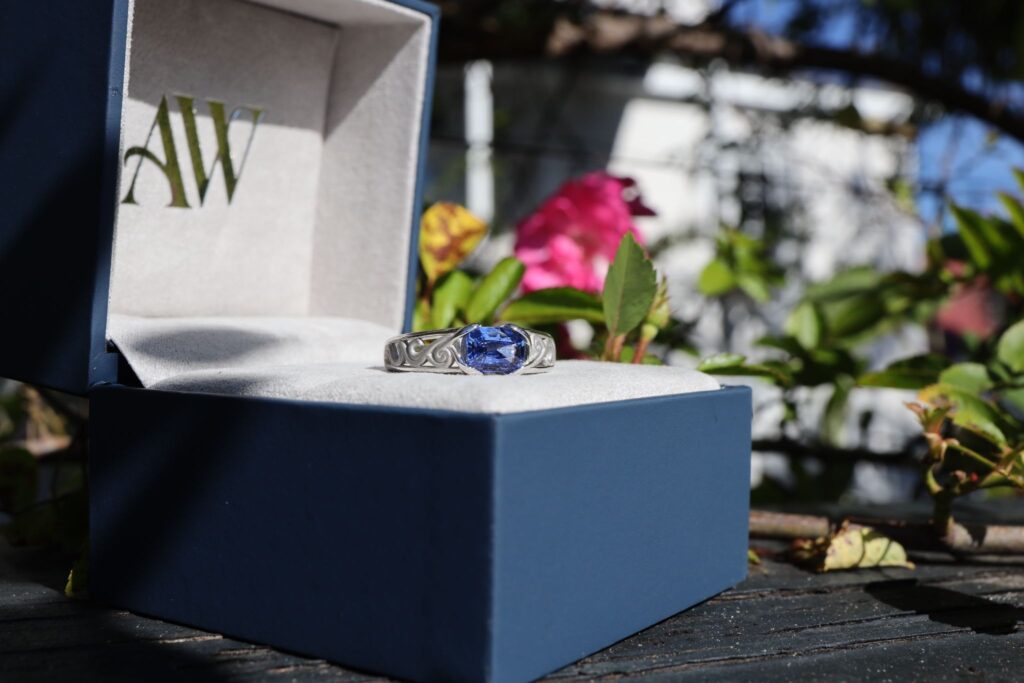
When Should I Bring My Jewelry in for Gentle Gemstone Cleaning and Setting Checks?
A good voice-search rule is: come in when you see change, feel movement, or the piece stays dull even after gentle gemstone cleaning. If a stone starts snagging fabric, prongs look lifted, or you hear a faint click when tapping the ring near your ear, don’t keep wearing it settings can loosen quietly before they fail.
Bring pieces in after travel, after a knock against a counter, or anytime you’ve used strong household cleaners while wearing jewelry. Porous gems like opal and turquoise, treated stones like many emeralds, and delicate pavé benefit from regular checkups because tiny shifts are easier to correct early. At AW Jewelry, this care lives under Atelier Care and Heirloom Renewal not as a commodity, but as stewardship. Your jewelry carries devotion; it deserves a trusted set of eyes.
When you’re ready, step into our atelier or request a private online consultation and we’ll help your piece return to its truest clarity.