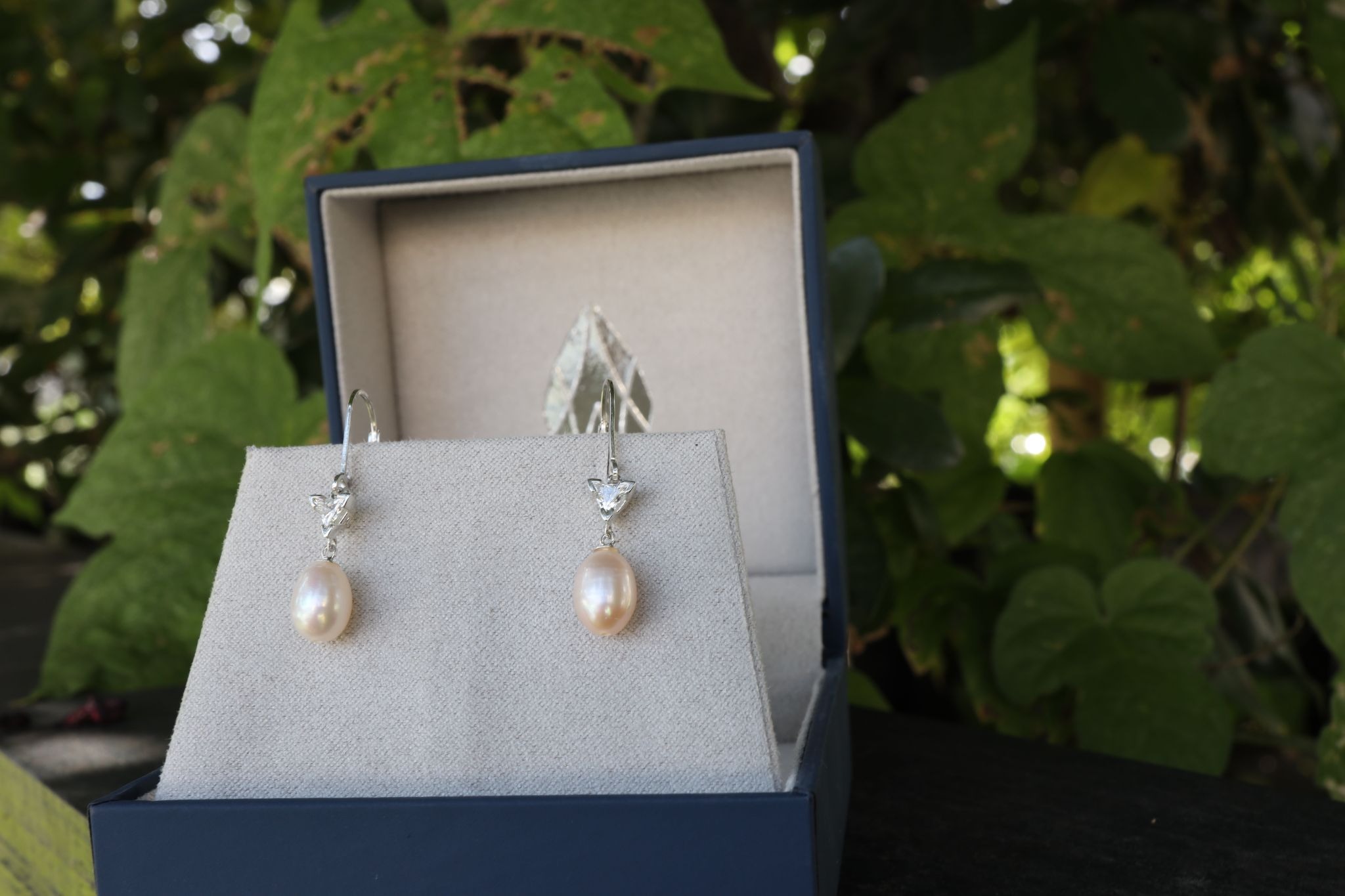
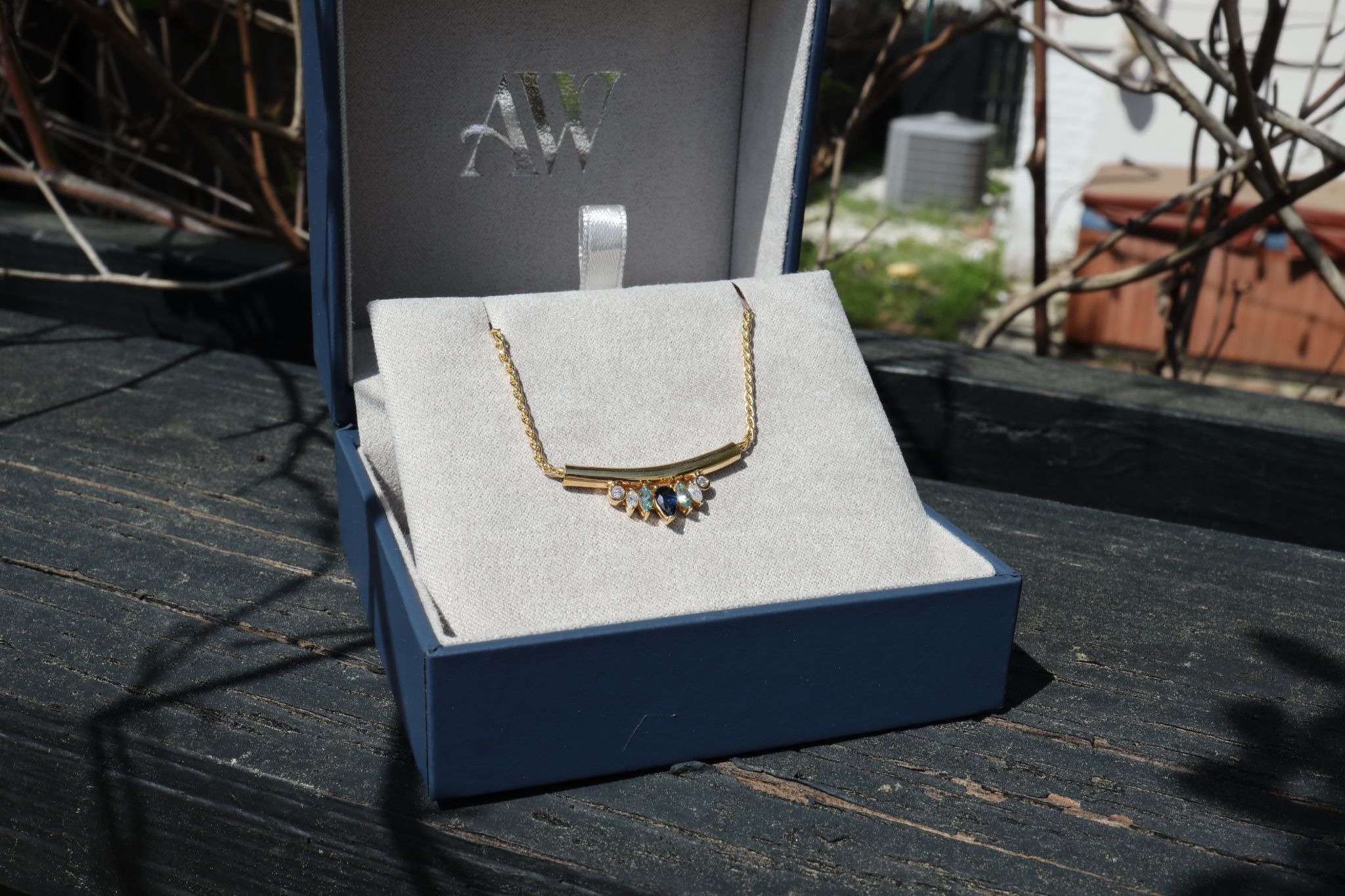
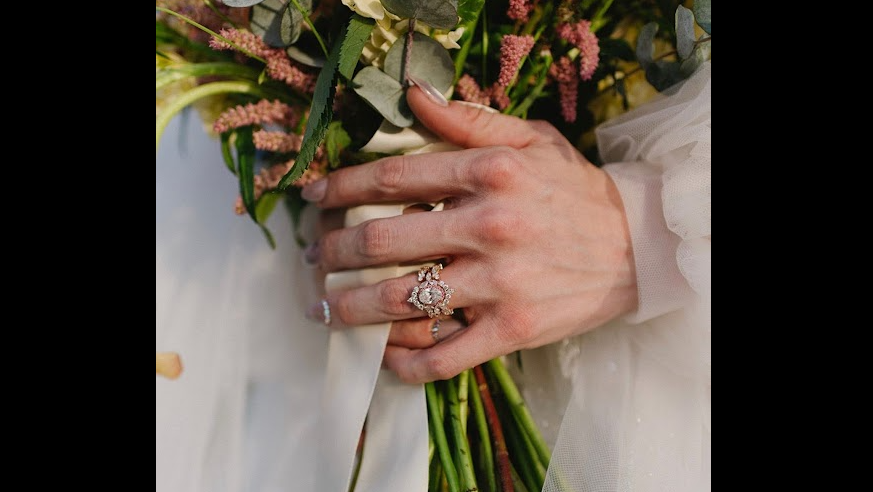
When families ask about gold buying, the quiet heart of the question is this: What exactly are we selling and why does it feel different from an estate sale?
At AW Jewelry, we see two paths that look similar from the outside but behave very differently once you’re at the bench. Inherited gold is usually valued for its material pure gold content and weight while estate jewelry is evaluated as finished pieces with design, maker, and period details. Understanding that distinction brings calm to a moment that can feel tender.
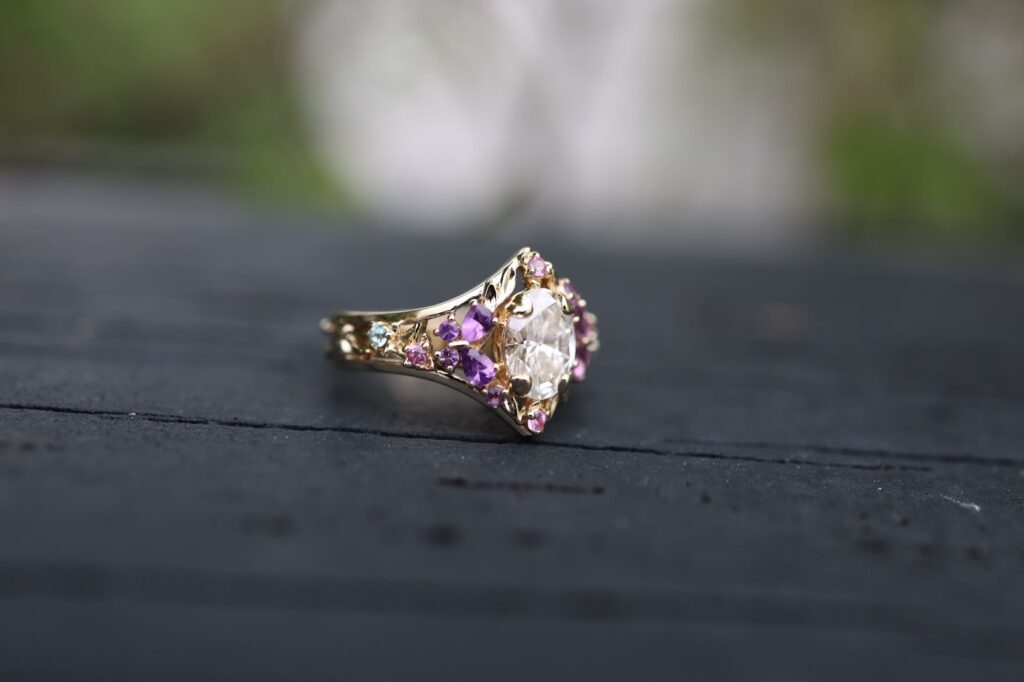
What’s the Real Difference Between Inherited Gold and Estate Jewelry?
Think of inherited gold as material value and estate jewelry as design value. Inherited gold might be broken chains, single earrings, or dated mountings pieces you don’t plan to keep in their current form. Those follow a gold buying approach: purity (karat), weight, and that day’s market rate.
Estate jewelry, on the other hand, is evaluated as a finished work: craftsmanship, hallmarks, period style, condition, and sometimes designer provenance. Two identical weights can yield very different outcomes because one is simply metal and the other is a collectible, often worth more exactly as it is than melted down.
How Does the Offer Change Under a Gold Buying (Scrap) Evaluation?
With gold buying, we test purity, weigh the piece, apply the day’s spot price, and account for refining. Offers rise and fall with the market; sentiment does not alter price. This path is perfect for items that are broken, mismatched, heavily worn, or stylistically out of sync with your life.
The goal is clarity and renewal turning dormant value into something useful. Many clients choose to trade inherited gold toward a new piece; others simply prefer a transparent payout. Either way, the math is clean and the outcome steady.
What Qualifies a Piece as Estate Jewelry?
If your jewelry design stands on its own period craftsmanship, signed work, exceptional condition, or desirable style then estate jewelry evaluation is wiser than pure gold buying. At AW Jewelry, we look at the market for similar finished pieces, not just metal. A slim Art Deco bracelet or a signed contemporary ring can be worth more as a finished piece than as melted gold.
In an estate evaluation, we look at the secondary market what similar pieces are selling for along with desirability and how easily the piece can be restored. Even small or modest stones can add value if the overall design is collectible. The outcome is often higher than scrap, but it follows a different path and usually needs a different kind of buyer.
What Factors Most Influence Inherited-Gold Vs. Estate Outcomes?
Several quiet details guide us toward the right lane and the right value:
Integrity of Design:
A well-balanced, wearable piece holds greater value than one that feels altered or incomplete.
Maker & Marks:
Hallmarks or atelier signatures add provenance, elevating the piece beyond its metal worth.
Condition:
Original parts and gentle wear preserve authenticity; over-polishing or repairs can reduce desirability.
Era & Style:
Certain periods and shapes lead current demand, while others await renewed appreciation.
Stones:
Original, well-cut stones enhance collectibility; replacements or wear can shift value toward materials.
This is why thoughtful triage matters: the first decision melt or market determines the value path.
How Do Market Prices Behave for Each Path?
When you receive inherited gold, it’s natural to wonder why offers often feel lower than what you once saw on a retail tag. The answer lies in what that original price represented; it wasn’t just the metal. Retail jewelry includes the design, the craftsmanship, the artistry that gave the piece its beauty and meaning. When you sell inherited gold, that artistry value has already been lived. What’s left is the gold itself, measured by purity, weight, and today’s market price.
Estate jewelry, however, can shift the story. If a piece is signed, collectible, or beautifully preserved, we evaluate it as a finished work of art, not as scrap metal.
Think of it as two honest lanes: one for art fulfilled, one for enduring material value. Our promise is to keep those lanes clear, so you always know where your pieces stand and feel at ease in every step of the process.
Why Are Offers for Inherited Gold Lower than Retail Jewelry Prices?
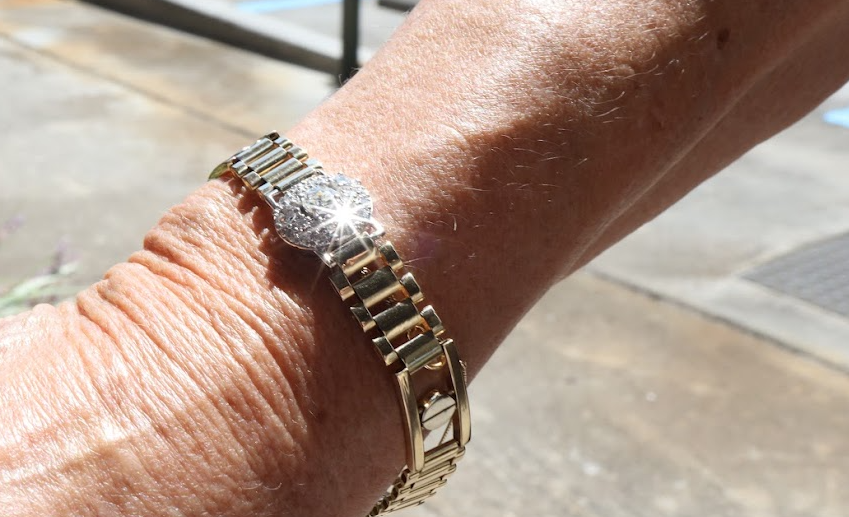
Retail jewelry prices reflect far more than the gold itself; they include the design vision, craftsmanship, gemstone setting, and artistry that once gave the piece life. When you’re working with inherited gold, that artistry has already been lived and loved. Gold buying, therefore, returns only the value of the metal, its purity, its weight, and the market price of that day.
Estate jewelry belongs to a different lane. When a piece carries collectible or signed significance, we evaluate it as a finished work rather than raw material, preserving the value of its design.
Two distinct paths, two honest outcomes. Retail reflects art fulfilled; gold buying clarifies the enduring worth within inherited gold, honoring the quiet value that remains.
What Paperwork Helps You Get the Right Value?
Documentation supports both paths and prevents guesswork. Bring anything you have:
- Bring receipts or appraisals, even older ones, as they provide valuable notes on maker, metal, and stone details that guide accurate evaluation.
- Include boxes, pouches, or certificates from designers or jewelry houses, as these can add significance and value in estate or resale contexts.
- Share photos of the piece in wear, offering helpful insight into its era, proportion, and original presence.
- Clarify your intention whether you plan to cash out, trade in, or redesign so the process aligns seamlessly with your goal.
For gold buying, paperwork isn’t required but still helpful; for estate jewelry, it can make a meaningful difference.
How Do I Decide: Sell, Trade, or Redesign?
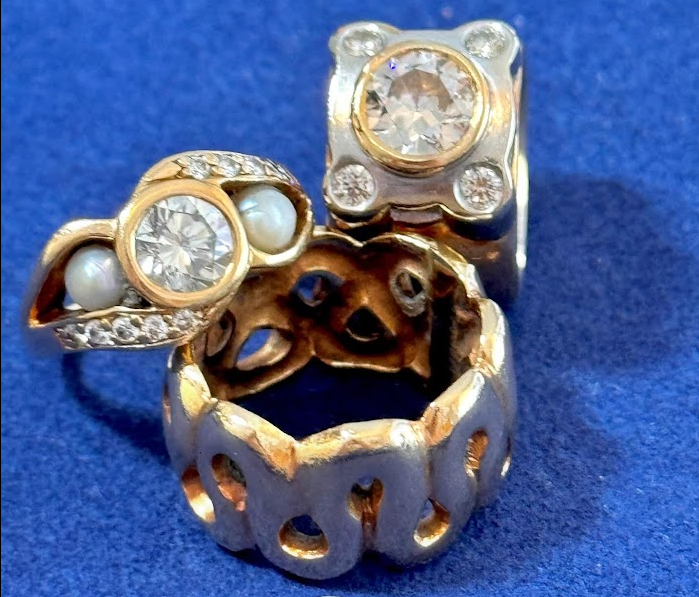
If a piece is damaged or simply not your style, selling inherited gold with a trade-in can be the cleanest path. turning yesterday’s gold into tomorrow’s heirloom. When a jewel carries design merit, a maker’s stamp, or collectible value, the estate path or a thoughtful restoration may offer a higher return. And if the stone holds family meaning but the setting feels dated, a redesign preserves its soul while renewing its form.
There’s no single “right” choice. Each path serves a different kind of value, emotional, aesthetic, or practical. The best decision is the one that honors your intentions, aligns with your timeline, and ensures your inherited gold continues its story in a way that feels true to you.
What Fees or Timelines Should I Expect?
Gold buying offers are simple and swift testing, weighing, and providing a same-day quote based on that day’s market price. Estate jewelry, however, requires a more detailed process: noting condition, photographing the piece, researching comparables, and identifying the right selling venue.
If you’re trading inherited gold toward a new creation, we apply the value as credit and outline a clear build timeline. When an estate sale or consignment is the better path, we’ll review pacing, presentation, and commission structure in advance.
Every step is designed to be transparent and measured so there are no surprises, only decisions that align with your goals and ensure each piece continues its journey with intention.
How Does AW Jewelry Support You Through Either Path?
We measure faithfully and explain in plain language. If it’s gold buying, we show purity, weight, and the math; if its estate, we outline documentation, condition notes, the right venue, and realistic expectations. Prefer a redesign? Our Heritage Restored team will set heirloom stones into a form that suits your life today. Whatever you choose, the goal is the same: clear value and calm confidence
Bring your pieces to our Beaufort atelier or start digitally. We’ll separate gold buying items from estate-worthy designs, outline options, and help you choose a path that honors both value and story.