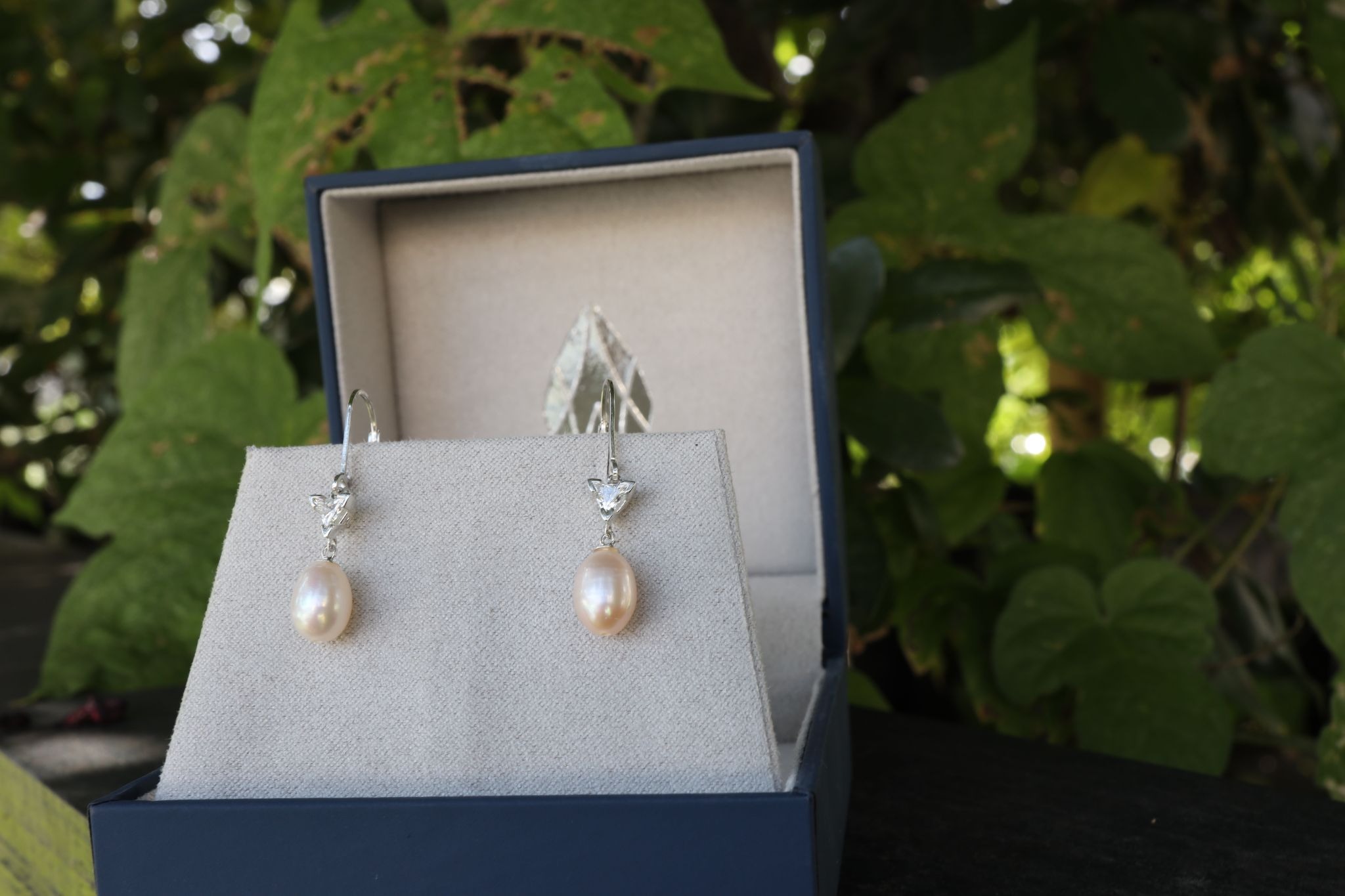
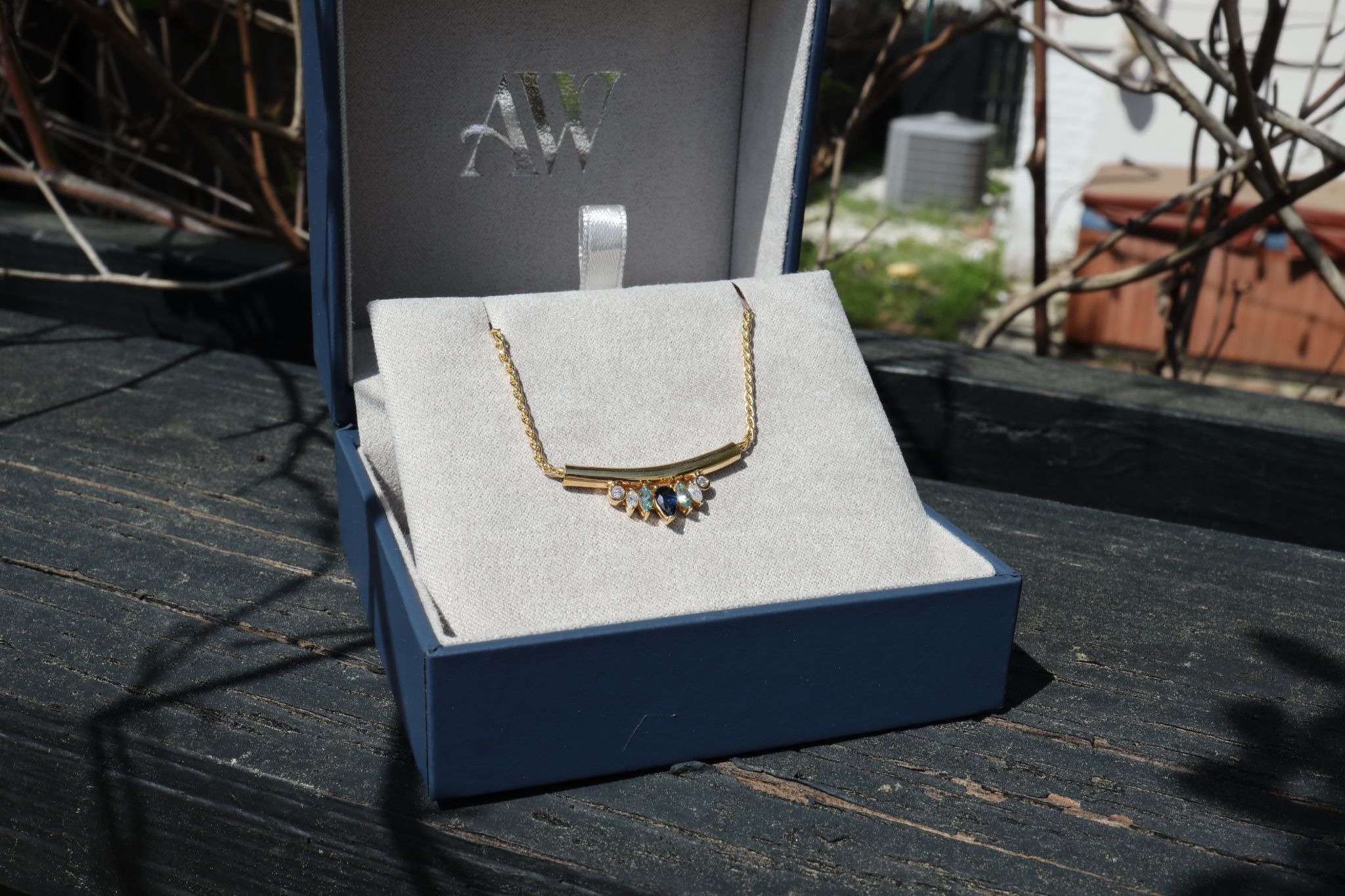
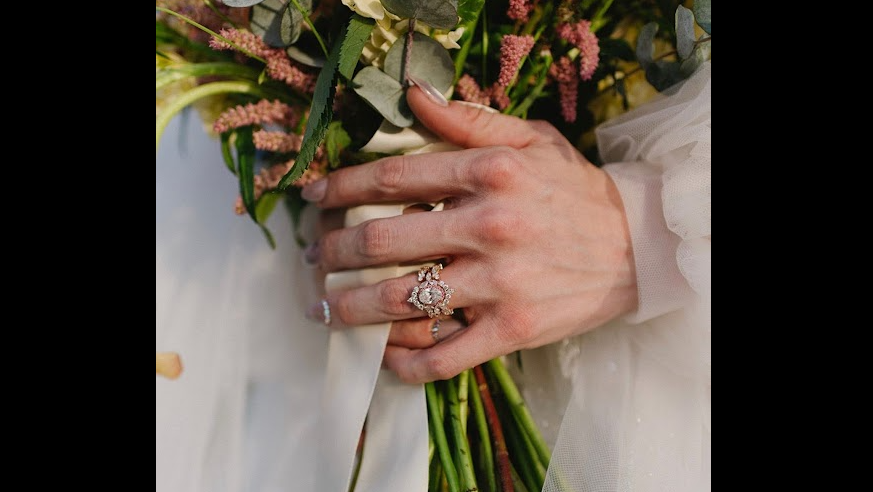
You know that little pause you get when you open your jewelry box and spot that piece, the one you’d grab first if you had thirty seconds to leave the house? Or the one you never wear, but can’t imagine losing? That’s usually where the appraisal conversation begins. Not with paperwork. With meaning. With value, emotional and real.
Most people assume evaluations are only for big diamonds or special occasions. Truth is, the pieces that deserve a jewelry evaluation are often the ones quietly doing the most: heirlooms, daily-wear favorites, and anything you’d struggle to replace exactly. And if you’re insuring, updating coverage, traveling, gifting, or simply wanting clarity, an appraisal is a smart, steady next step.
At AW Jewelry, we see it as part of the promise: knowing what you have, protecting what matters, and treating every piece like it’s meant to last. Heirloom soul, engineered precision. Clarity you can live in.

What Exactly Is a Jewelry Evaluation Used for?
A jewelry evaluation is a written document that describes your piece in detail and assigns a value based on a specific purpose, most commonly insurance replacement. It’s less about “what could I sell this for” and more about “what would it cost to replace this accurately if it disappeared tomorrow.”
It typically includes metal type, gemstone details, measurements, condition notes, and photos. And that detail matters because jewelry isn’t one-size-fits-all. Two rings can look similar at a glance and be worlds apart in craftsmanship, stone quality, and build.
If you’re adding jewelry to an insurance policy, a jewelry evaluation gives your provider something concrete to cover. If you’re updating an older policy, it helps ensure you’re not underinsured. And if you’ve inherited pieces, it can bring real clarity, so you’re not guessing about what you’re holding.
It’s peace of mind, written down.
Which Types of Jewelry Should Always be Evaluated?
Not everything needs it, but some categories are worth appraising almost every time, especially if you’d want a true replacement, not a “close enough.”
Here are pieces that typically deserve a jewelry evaluation:
- Engagement rings and wedding sets
- Heirloom pieces (especially older diamonds and colored stones)
- Fine jewelry over a meaningful value threshold for you
- Pieces with large center stones or multiple stones (pavé, halos, clusters)
- Designer or signed pieces
- Custom-made jewelry
- Rare gemstones (emerald, ruby, sapphire, alexandrite, opal)
- Anything you travel with frequently
If it would hurt to lose it, and be hard to recreate it accurately, put it on the shortlist. Jewelry evaluation isn’t about being dramatic. They’re about being prepared with clarity.
Do I Need Jewelry Evaluation for Insurance, or Is a Receipt Enough?
A receipt helps, but it usually doesn’t replace a proper jewelry evaluation, especially for insurance. Receipts often lack the detail insurers need: gemstone grades, measurements, setting style notes, and condition documentation. And if your piece is older, inherited, or custom, you may not have a receipt at all.
Insurance coverage is about replacement accuracy. Without jewelry evaluation-level detail, you might get reimbursed for something generic instead of what you actually owned. That’s where people feel surprised and disappointed, because “covered” doesn’t always mean “replaced well.”
If your receipt includes full stone grading and a thorough description, it might work for some policies. But most insurers prefer (or require) a jewelry evaluation for higher-value items. It’s also useful if prices change over time and you need updated coverage.
A receipt proves the purchase. An appraisal protects the promise.

How Often Should I Update a Jewelry Evaluation?
Evaluations aren’t a one-and-done document. Metal and gemstone markets shift, and replacement costs move with them, sometimes faster than people expect. Most insurers recommend updating a jewelry evaluation every few years, or whenever there’s a major change.
Update your evaluation when:
- You’ve had it 3–5 years (common guideline)
- You reset, resize, or alter the piece
- You add side stones, halos, or upgrade the center stone
- You notice the market has changed significantly
- Your insurer requests it during renewal or policy adjustment
Even if you don’t update often, it’s worth reviewing occasionally so coverage stays aligned with reality. The point isn’t perfection, it’s protection. And the best time to discover you’re underinsured is never.
Which Everyday Pieces Usually Do Not Need an Evaluation?
This is where people exhale. Many everyday pieces don’t need a formal jewelry evaluation, especially if they’re easily replaceable or lower in value compared to your insurance deductible.
Usually, you can skip appraisals for:
- Fashion jewelry or costume pieces
- Simple sterling silver items without valuable stones
- Lower-priced gold basics you can easily repurchase
- Earrings or chains you wouldn’t insure individually
- Pieces with minimal resale/replace value (sentimental, yes, financial, no)
That said, sentiment changes the equation. If a piece is emotionally irreplaceable, you might still want documentation and photos, even if you don’t insure it formally. Sometimes “evaluation” isn’t the answer, sometimes a well-kept record is.
The goal isn’t to evaluate everything. It’s to evaluate what truly needs clarity and protection.
How Do I Know If a Heirloom Piece Needs a Jewelry Evaluation?
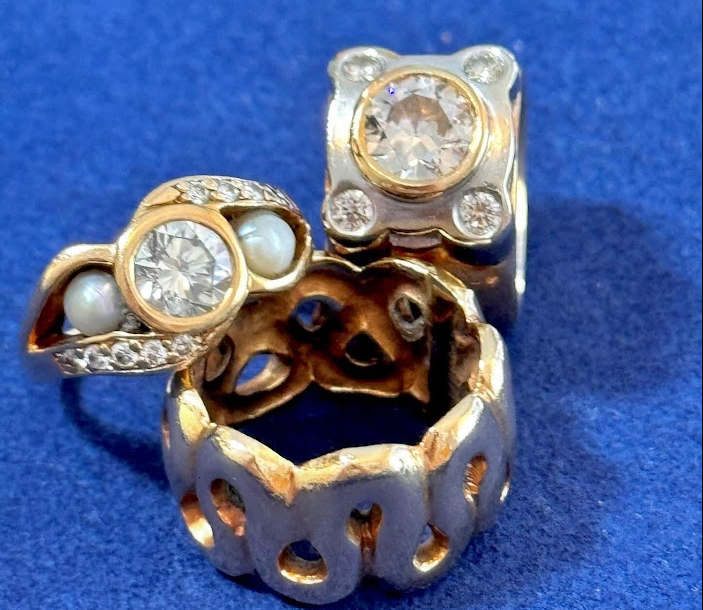
If it’s inherited, it’s automatically a candidate, because you often don’t know the true materials, stone quality, or craftsmanship until a professional documents it. Heirlooms can be more valuable than they appear or less. Either way, guessing doesn’t serve you.
What to Look For First:
If the piece has a substantial center stone, visible hallmarks (like 14K/18K/PT), signed branding, or intricate handwork, put it on your evaluation list.
Why Heirlooms Benefit Most:
Heirloom settings can have older cuts, unique proportions, or specialized detailing that changes replacement cost. And condition matters, prongs, wear, and security should be assessed while documenting.
The Best Mindset:
Think of an evaluation as translating family history into clear records. You’re not pricing a memory, you’re protecting it.
A jewelry evaluation gives you truth without taking away tenderness. It simply makes the story easier to safeguard.
What Should I Bring or Prepare Before Getting a Jewelry Evaluation?
The smoother the process, the better the final document. If you have paperwork, bring it, if you don’t, don’t worry. A good evaluator can still do thorough work.
Here’s what helps most:
- Any receipts, certificates, or previous evaluations
- Lab reports (GIA, IGI, etc.), if you have them
- Notes on upgrades or repairs (even approximate dates)
- Clear photos (optional, but handy)
- A quick list of what you want the evaluation for (insurance, estate, resale guidance)
Clean your jewelry gently if you can, but don’t do anything aggressive. No harsh chemicals. If you’re unsure, leave it as-is. The evaluator is trained to assess condition, and a sudden DIY polish can sometimes hide wear patterns they need to see.
You’re not preparing to be judged. You’re preparing for clarity.
Is a Jewelry Evaluation the Same as a Resale Value or Offer?
No, and this is one of the biggest misunderstandings. A jewelry evaluation (especially for insurance) usually reflects replacement cost, not what you’d get if you sold the piece tomorrow. Resale offers are typically lower because resale is a different market with different economics.
Insurance evaluation = “What would it cost to replace this like-for-like?” while Resale = “What will someone pay for it today in the secondary market?”
Both are valid, but they answer different questions. If your goal is selling, you’ll want to consult a jeweler or buyer who can give you a realistic market offer range. If your goal is protecting and insuring, you want an evaluation built for that purpose.
The best thing you can do is be clear about your intention. The right document depends on the right question, and you deserve an answer that fits your real life.
Your jewelry box holds more than pieces. It holds milestones, inherited love, small daily rituals, proof of who you are and what you’ve carried. A jewelry evaluation isn’t about turning that into numbers. It’s about protecting what already matters with calm, practical clarity. If you’re unsure where to start, choose the pieces you’d feel most heartbroken to lose, or most determined to replace exactly. Those are your first appraisals.
And when you’re ready, AW Jewelry can help you navigate it with care and precision. Schedule your consultation digitally or at the atelier and let’s protect your most meaningful pieces with the clarity they deserve.