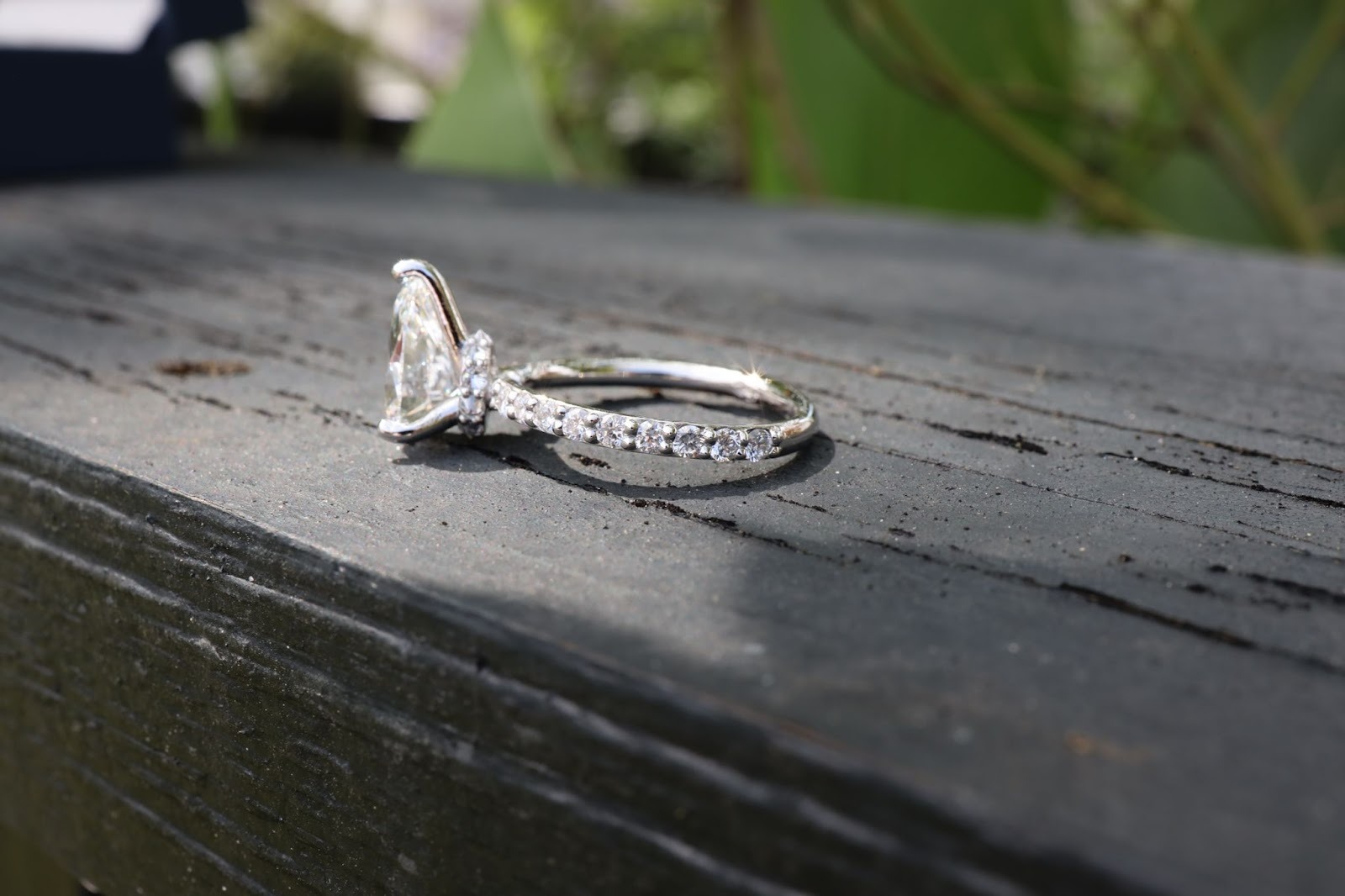
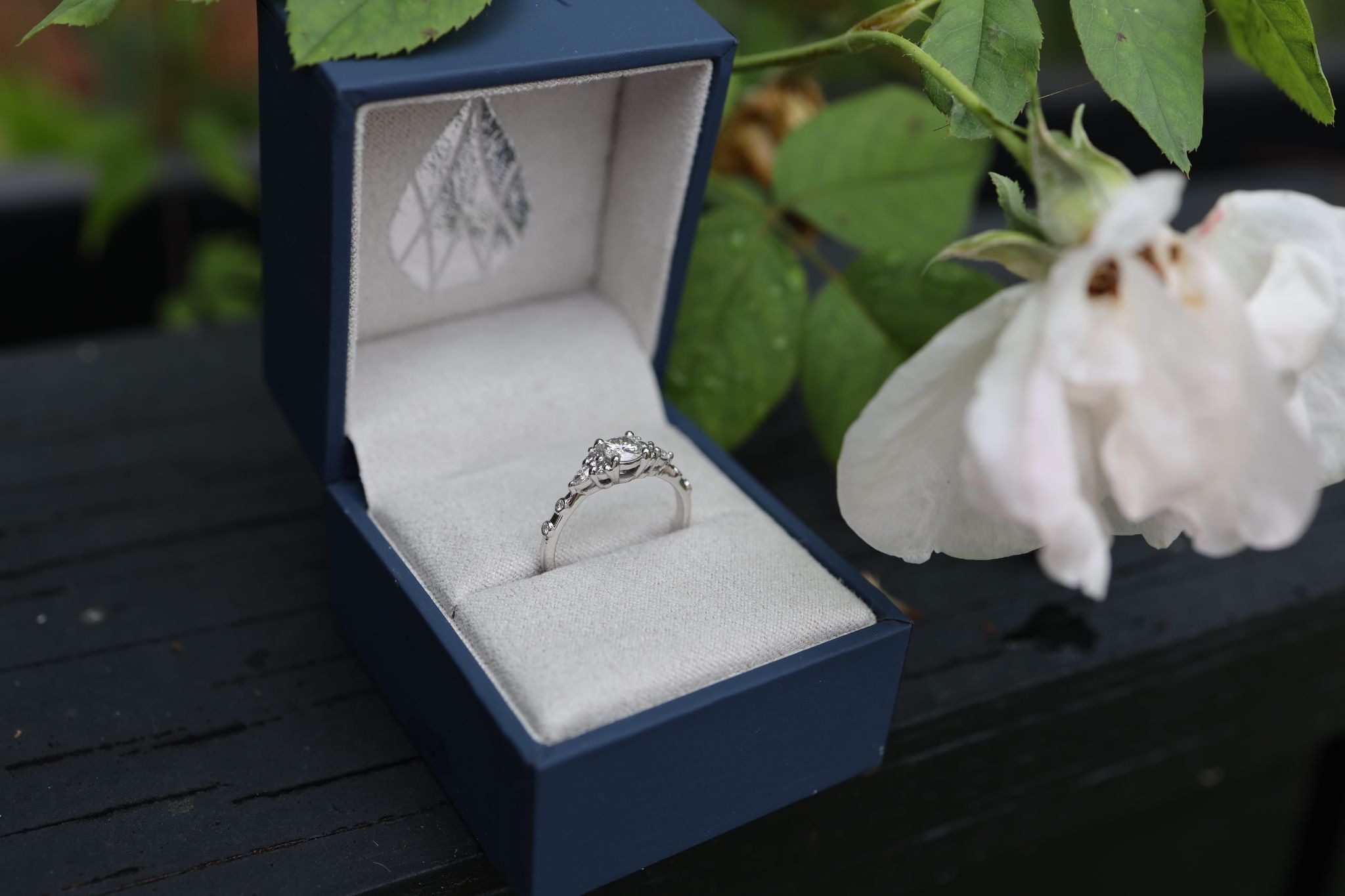
Jewelry is more than an accessory. It often marks a promise, holds memory, and becomes part of a family’s story. Whether it is an engagement ring, a wedding band, or a cherished heirloom, each piece deserves thoughtful care. That is why jewelry preservation matters.
Over time, even beautifully made jewelry can begin to show signs of age. A ring may lose its brilliance. A necklace may develop fine scratches. Metal can tarnish, and gemstones can appear dull from everyday wear. Understanding what causes these changes is the first step toward better jewelry preservation.
At AW Jewelry, we believe every piece should remain as beautiful as the day it was received. With the right jewelry preservation habits, your treasured pieces can retain their beauty, meaning, and strength for generations.
What Are the Main Reasons Jewelry Ages Over Time?
Jewelry naturally changes with wear, exposure, and time. Several factors can affect its appearance and condition, making jewelry preservation an essential part of ownership.
- Exposure to Air and Moisture: Metals like silver or brass can tarnish or corrode when exposed to air and moisture.
- Chemical Reactions: Everyday products like lotions, perfumes, and household cleaners can interact with jewelry, causing discoloration and damage.
- Wear and Tear: The more frequently jewelry is worn, the more likely it is to develop scratches, dents, and other damage.
- Environmental Factors: Temperature, humidity, and sunlight can all contribute to the deterioration of your jewelry.
By understanding these factors, you can take steps for better jewelry preservation and keep your precious pieces in great shape.
How Does Humidity Affect Jewelry?
Humidity plays a major role in jewelry preservation, especially for metals that are prone to oxidation. Silver, for example, can tarnish more quickly when exposed to moisture and sulfur in the air. This often leaves jewelry looking dull or discolored.
Other metals, including brass and iron-based components, can also suffer in humid environments. Over time, moisture may cause corrosion, weakening the piece and affecting its appearance. Strong jewelry preservation begins with keeping jewelry away from excess humidity.
Humidity can also affect certain gemstones. Organic and porous stones such as pearls and opals are especially sensitive. Too much moisture can damage their surface, while unstable storage conditions may lead to cracking, fading, or a loss of luster. For effective jewelry preservation, store jewelry in a cool, dry place and avoid wearing it in highly humid settings such as spas, saunas, or swimming pools.
Can Chemicals Damage My Jewelry?
Yes, common chemicals can interfere with jewelry preservation and cause lasting damage if pieces are not properly protected.
Lotions and creams can leave a film on jewelry, making it appear dull over time. Perfumes can also affect metals and gemstones, especially when sprayed directly onto the piece. Alcohol and other ingredients may react with finishes, causing tarnish or discoloration.
Household cleaning products are particularly harsh. Bleach, ammonia-based cleaners, and other strong chemicals can weaken metals, damage finishes, and affect gemstone settings. Saltwater can also be harmful, especially for metals like silver.
One of the simplest jewelry preservation habits is to remove jewelry before applying beauty products, swimming, or cleaning your home.
What Are the Best Ways to Prevent Jewelry Tarnish?
Preventing tarnish is a key part of jewelry preservation, especially for silver jewelry. A few simple habits can make a lasting difference.:
Store Jewelry Properly:
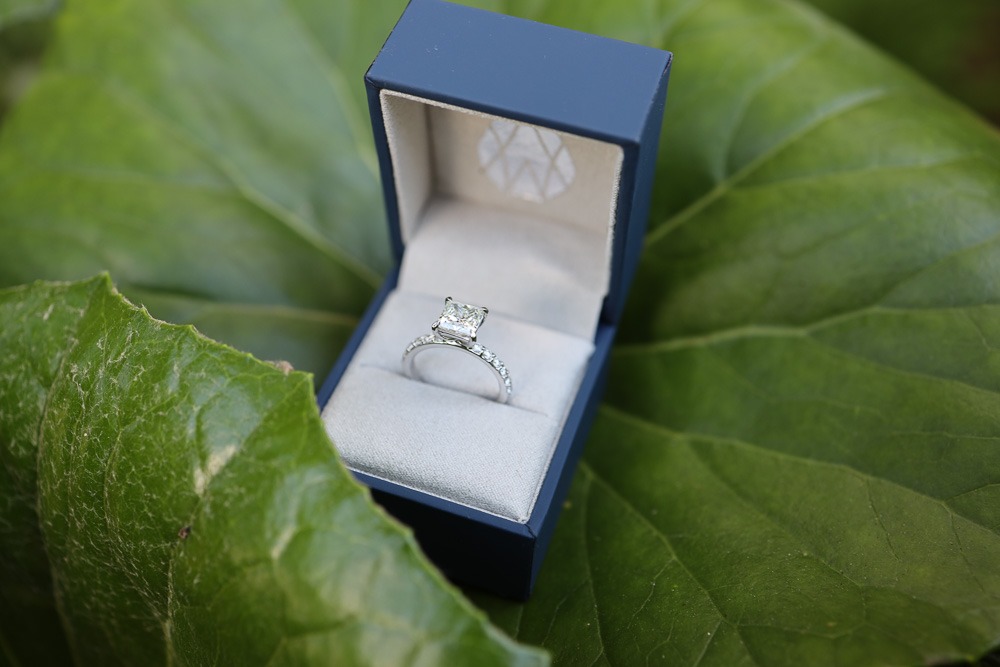
Proper storage is essential for jewelry preservation. Keep pieces in airtight containers, soft pouches, or individual jewelry boxes to reduce exposure to air and moisture. This is especially important for metals that tarnish easily.
Regular Cleaning:
A gentle wipe with a soft cloth after each wear can support long-term jewelry preservation. This helps remove oils, dirt, and residue before they build up and affect the finish.
Anti-Tarnish Strips:
Anti-tarnish strips are a helpful tool in jewelry preservation. They absorb moisture and airborne sulfur, helping protect jewelry from discoloration while in storage.
Avoid Chemicals:
Chemical exposure is one of the biggest threats to jewelry preservation. Remove jewelry before applying perfume, lotion, hairspray, or cleaning products to help maintain its shine and integrity.
By following these simple tips, you can prevent tarnish and preserve the shine of your jewelry.
How Does Jewelry Aging Affect Gemstones?
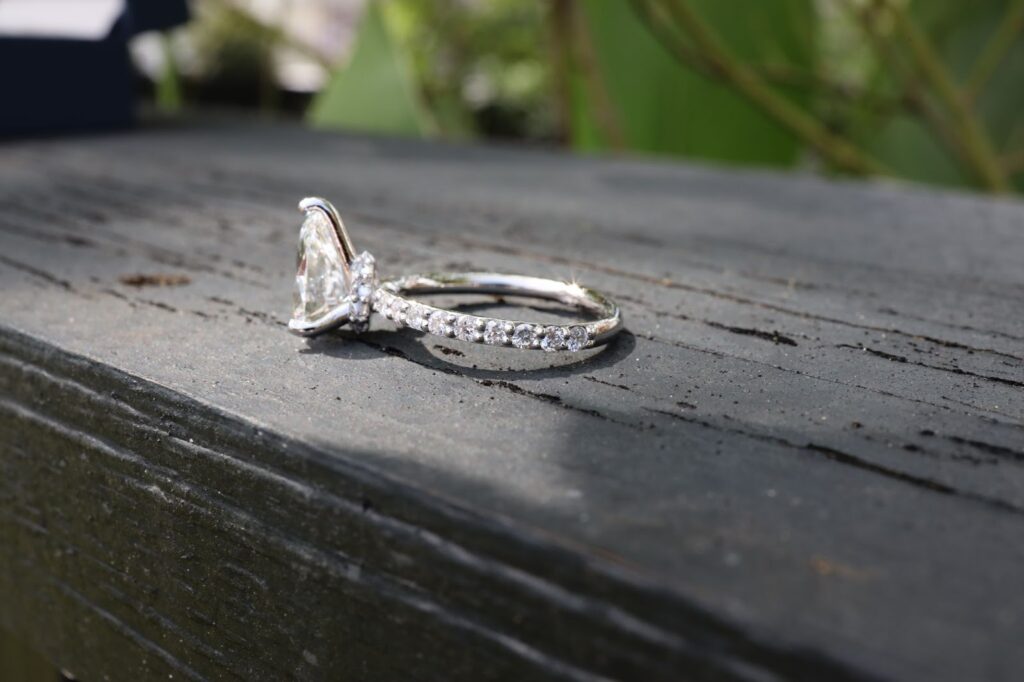
Gemstones also benefit from careful jewelry preservation. Even durable stones can lose their brilliance over time if they are not cleaned and stored properly.
Diamonds, rubies, and sapphires are known for their durability, but they can still collect dirt and oils that make them look cloudy. Good jewelry preservation includes regular cleaning to maintain their sparkle.
Softer gemstones require even more attention. Pearls are vulnerable to body oils, cosmetics, and dry or overly humid conditions. Opals can also be delicate, as changes in environment may affect their appearance over time. Thoughtful jewelry preservation helps protect these stones from cracking, fading, and surface damage.
When cleaning at home, always use methods suited to the specific metal and gemstone. Gentle care is central to effective jewelry preservation.
What Are Some Storage Tips to Prolong the Life of My Jewelry?
Proper storage is crucial for jewelry preservation. Here are some expert tips to keep your jewelry in top condition:
- Store Separately: Store each piece in a soft pouch or cloth to avoid scratches or tangling.
- Avoid Sunlight: Long-term exposure to sunlight can fade certain gemstones, such as amethyst or topaz.
- Cool, Dry Places: Store jewelry in cool, dry areas to prevent tarnishing, corrosion, or gemstone damage.
- Anti-Tarnish Lining: Consider using jewelry boxes with anti-tarnish lining to protect your pieces from moisture and air.
These storage tips will help ensure your jewelry remains in great condition for years to come.
How Can I Preserve My Jewelry for Future Generations?
The goal of jewelry preservation is not only to protect beauty today, but to carry meaning forward. With regular care, many pieces can be passed down and worn again by future generations.
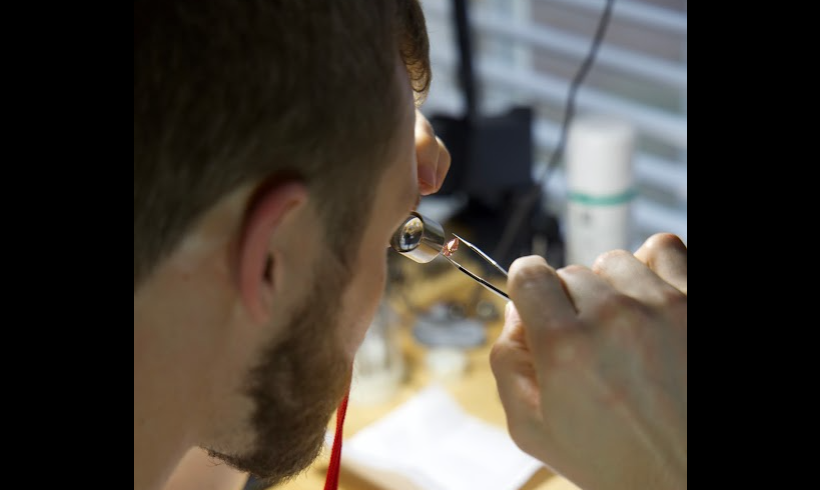
Professional cleaning and inspection every one to two years is a wise part of jewelry preservation. A jeweler can check settings, clasps, prongs, and overall wear before small issues become larger concerns.
For older or vintage pieces, professional attention may include restoring finishes or recommending protective care that supports long-term jewelry preservation. It is also wise to document valuable pieces and insure them when appropriate.
Most importantly, ongoing jewelry preservation comes down to simple habits: careful storage, gentle cleaning, routine inspections, and avoiding unnecessary exposure to moisture and chemicals.
Jewelry preservation is an essential part of keeping your most meaningful pieces beautiful for a lifetime. By understanding how jewelry ages and practicing proper care, cleaning, and storage, you can protect both its appearance and its story.
At AW Jewelry, we believe the pieces you love should continue to shine with the same clarity and meaning they held from the beginning. With thoughtful jewelry preservation, your jewelry can remain beautiful, wearable, and ready to be treasured for generations.
If you would like personalized guidance on jewelry preservation, we invite you to book a session at our studio or schedule an online consultation. Let us help you care for the pieces that matter most.