Whether you’re getting a professional jewelry appraisal for insurance purposes, selling, or simply wanting to know its value, preparation is key. An accurate professional jewelry appraisal requires more than just bringing in your items; you need to gather essential documents and photos to ensure the process goes smoothly and you receive the most accurate evaluation.
At AW Jewelry, we understand the importance of an efficient and thorough appraisal, and we’re here to help you get prepared. By organizing the necessary information ahead of time, you can save yourself time and ensure that the appraiser has all the details needed to assess your jewelry accurately.
Why Is It Important to Gather Original Receipts and Purchase Documents Before A Professional Appraisal?
Original receipts and purchase documents are crucial when preparing for a jewelry appraisal. These documents provide essential information about the jewelry’s origin, including the purchase price, materials, and where it was bought. If you have the original receipt, it makes the appraiser’s job much easier. It helps establish the item’s provenance and can be used to verify any claims made about the jewelry’s history.
If you don’t have the original receipt, don’t panic. Many jewelers and retailers keep records of past purchases, and if you bought the piece from a well-known store or designer, they may be able to provide a copy of the transaction details for your professional appraisal.
Even without the receipt, related materials; like original packaging, warranties, certificates, or guarantee cards, can still offer helpful context. These supporting details give the appraiser clearer insight into origin and materials, helping your professional appraisal stay accurate and well-documented.
Should I Bring Certificates of Authenticity or Gemstone Reports to The Professional Appraisal?
Yes, definitely. If your jewelry includes diamonds, precious gemstones, or is a designer piece, having certificates of authenticity or gemstone reports is extremely helpful for a professional appraisal. These documents provide precise details about the stone’s quality; such as carat weight, cut, clarity, and color for diamonds, so the appraiser knows exactly what they’re evaluating.
For diamonds, reports from organizations like GIA (Gemological Institute of America) or AGS (American Gem Society) are widely trusted standards. They add credibility and clear documentation that supports a more accurate value conclusion. For other gemstones, reports from reputable gemological labs can provide the same kind of clarity.
These certificates don’t just describe the stone, they confirm authenticity and quality, which can strengthen the valuation. Without them, the appraiser may need to grade the stones manually during the professional appraisal, which can take more time and may limit the level of specificity in the final report.
How Do I Prepare Clear and Detailed Photographs of My Jewelry Before Professional Appraisal?
Taking clear, detailed photographs is one of the simplest ways to protect your piece and support an accurate appraisal.
- Take high-quality photos to document your jewelry’s current condition before your appraisal.
- Use images to help the appraiser assess details accurately and to support insurance records.
- Photograph the piece from multiple angles: front, back, and sides.
- Capture close-up shots of fine details like engravings, hallmarks, and setting work.
- Photograph any visible damage; scratches, dents, chips, looseness, so condition is clearly recorded.
- Don’t forget markings or stamps inside the jewelry, which can help identify designer, metal, and authenticity.
- Aim for bright, even lighting and sharp focus to ensure every detail is easy to confirm.
With the right photos, your appraiser can work with clarity, and you’ll have a reliable record of your piece for the years ahead.
Why Is It important to Create A List of Repairs or Modifications?
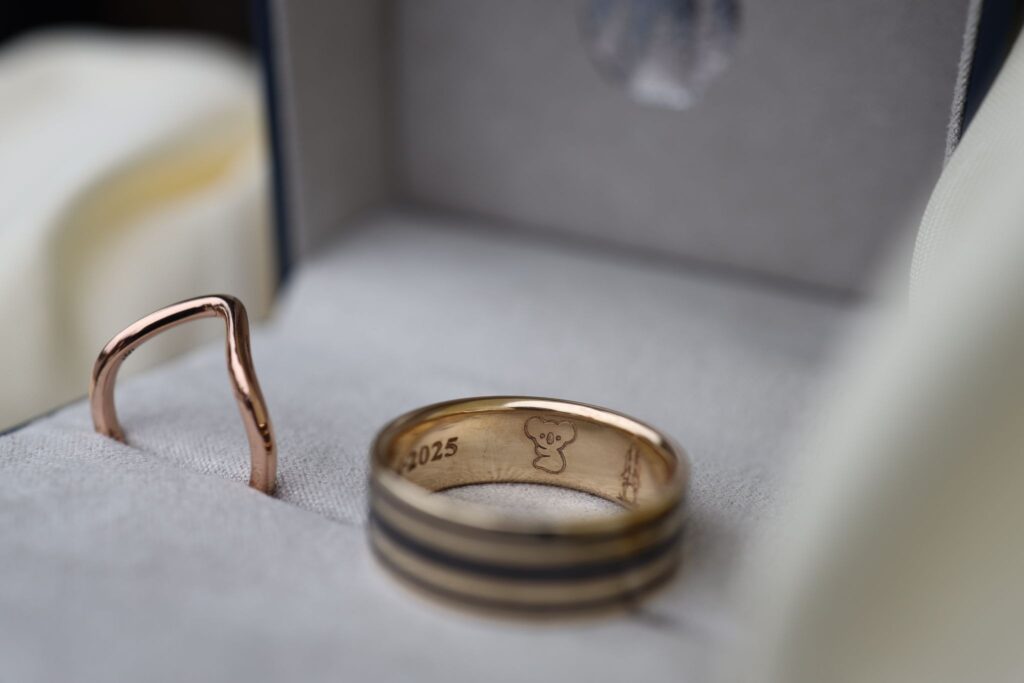
If your jewelry has been resized, repaired, or modified in any way, it’s important to create a clear list of those changes before your professional appraisal. Alterations can influence value compared to the piece’s original form; resizing a ring, reinforcing a shank, or resetting a stone may affect both structural integrity and overall appearance.
If you have receipts or documentation for any work performed, bring them with you. These records give your appraiser vital context about what was done, when it was done, and how it may impact the piece today. Whether the changes were purely cosmetic or more structural, sharing this information supports a more accurate valuation, and ensures your professional appraisal reflects the piece as it truly stands now. This also helps you keep track of any maintenance or changes to your jewelry over time, which can be useful for insurance purposes or future professional appraisal.
Should I Bring Previous Appraisals or Insurance Policies?
Yes, if you’ve had your jewelry appraised in the past or already have an insurance policy, bringing those documents is a great idea. Previous reports provide a historical record of the piece’s value, which your professional appraisal can compare against current market conditions. This helps the appraiser track changes over time and deliver a more accurate, well-supported valuation.
If you have an existing insurance policy, your professional appraisal can also use it as a reference point for today’s coverage needs. Policies often list an insured value that may need to be confirmed or updated. Prior reports can also help your professional appraisal identify any inconsistencies between past and present valuations, ensuring your final assessment is as clear, current, and reliable as possible.
Is Provenance Important for An Appraisal?
Provenance is one of the most important details you can bring to an appraisal, because a piece’s story often shapes its value as much as its materials.
Why Provenance Matters:
Provenance is especially important for antique, vintage, or heirloom jewelry. It refers to the piece’s ownership history and the journey it has taken over time, and that context can meaningfully influence valuation.
How Provenance Can Affect Value:
For collectible pieces, provenance can increase both appeal and worth. Jewelry that has been passed down through generations or connected to a notable individual, place, or event may carry stronger market interest and a higher appraisal.
What to Share With Your Appraiser:
If you have any history on the piece, share it, every detail helps. Useful items include:
- Written records, receipts, or certificates
- Prior appraisals or repair documentation
- Family letters, photographs, or notes
- Oral history (who owned it, when it was gifted, where it was worn)
Sentimental Value and Market Value:
Provenance adds more than numbers. It can hold sentiment, strengthen authenticity, and offer the appraiser clearer context for a thorough evaluation.
If the History Is Minimal:
Not every piece comes with a famous backstory, and that’s perfectly okay. Even simple details about who owned it and how it came to you can support a more accurate, complete appraisal.
When you share provenance, you’re offering the appraiser clarity, and ensuring your piece is valued with the care its history deserves.

How can I Ensure My Appraiser Is Qualified?
It’s essential to ensure that your appraiser is highly qualified and experienced. Start by checking if they have certification from a recognized gemological institution, such as the Gemological Institute of America (GIA), or membership in reputable professional organizations like the American Society of Appraisers (ASA). These credentials ensure that the appraiser is knowledgeable about jewelry, gemstones, and the appraisal process.
Additionally, look for an appraiser who specializes in the type of jewelry you have. Whether it’s diamonds, antique pieces, or designer jewelry, working with someone who has specific expertise in your type of jewelry will result in a more accurate assessment. Don’t hesitate to ask for the appraiser’s credentials or ask about their experience, as this will give you confidence in their ability to provide an honest and detailed appraisal.
Preparing your jewelry for a professional appraisal doesn’t have to be stressful. By gathering the necessary documents, certificates, photos, and details about your jewelry’s condition, you’ll ensure the process goes smoothly and efficiently. At AW Jewelry, we’re committed to providing you with a thorough and transparent appraisal process, whether you’re insuring your jewelry or simply wanting to know its value.
Ready to have your jewelry appraised? Schedule an online consultation or visit our studio today, and let’s get started on evaluating your precious pieces.