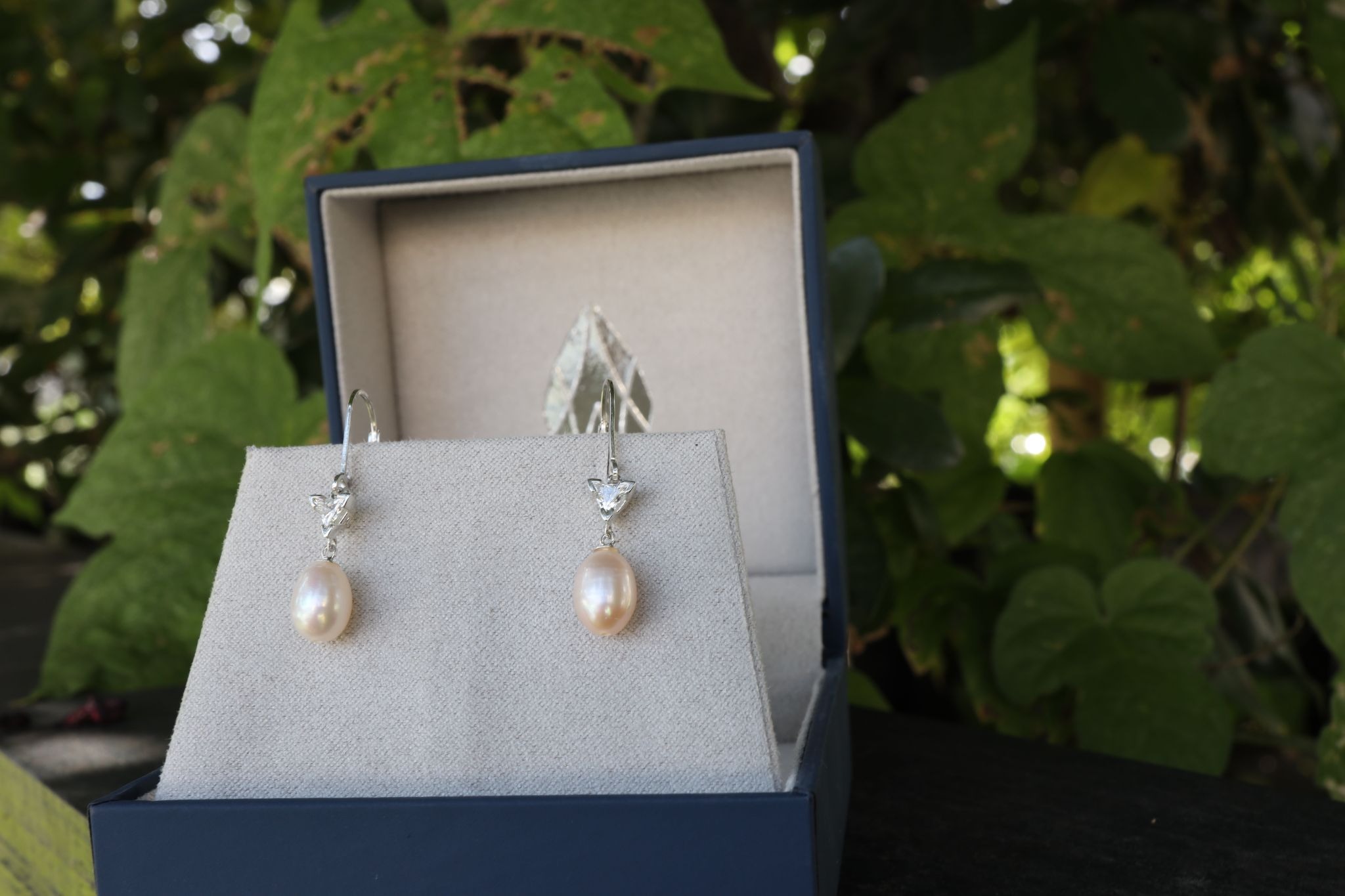
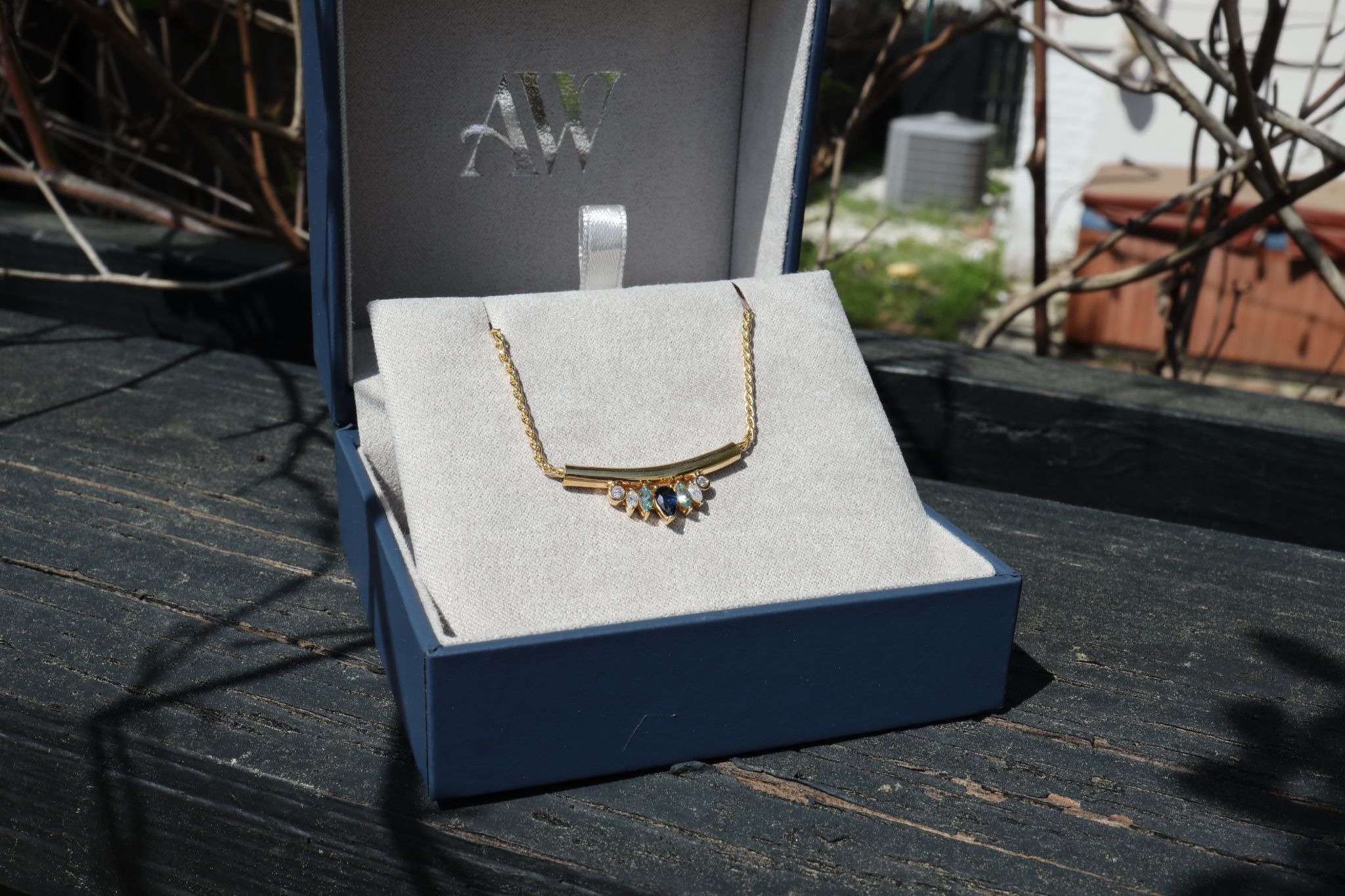
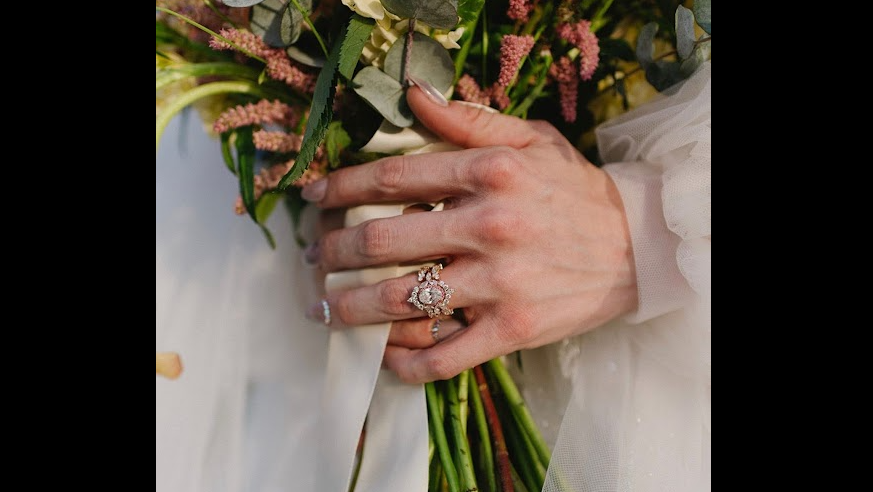
There’s a moment nobody warns you about: you make a change to a piece you love, resize the band so it finally sits right, reset the stone so it feels more you, upgrade the setting so it’s ready for daily life, and suddenly your jewelry is not quite the same jewelry your insurance company has on file, which is exactly when it’s time to reappraise.
And if you’re thinking, “Surely they’ll understand,” I get it. You’re not trying to play games with paperwork. You’re trying to wear your piece with confidence, and reappraise it so your coverage matches what you’re actually wearing.
But insurance doesn’t run on sentiment. It runs on records. So when life shifts, and your jewelry shifts with it, the smartest move you can make is a timely Reappraisal. Not because you expect trouble. Because you refuse to be caught without clarity if trouble ever finds you.
At AW Jewelry, we build with heirloom soul and engineered precision. And we believe peace of mind should be part of the promise, before life tests it. Documentation isn’t paperwork. It’s protection, made simple.

When Should I Get a Reappraisal After Redesigning My Jewelry?
If you’re asking, “Do I need to reappraise after redesigning my jewelry?” The most honest answer is: yes, reappraise soon after the redesign is complete. Not months later, not “whenever,” not once you remember. Soon.
A redesign changes what the piece is, not just what it looks like. A halo added, prongs reshaped, a new head installed, a different metal used, those choices change replacement cost and the details an insurer uses to match your piece, which is exactly why you should reappraise.
Here’s the simplest way to think about it: if you’d describe the piece differently today than you did before the redesign, it’s time to reappraise. And if you used stones from multiple pieces, heirloom diamonds, a sentimental sapphire, that old anniversary band, then your “new” piece deserves a clean, updated record of what it contains, and a fresh reappraise to reflect it accurately.
A redesign is renewal. Your coverage should feel just as current, so reappraise and let the paperwork catch up to the promise.
How Soon Should I Reappraise My Ring After Resizing It?
People love to ask this one like it’s a trick question: “It’s just a resize, do I really need to reappraise?”
Most of the time, a simple size change doesn’t massively shift value. But resizing can change what matters for coverage: the ring’s integrity, proportions, and sometimes even metal weight, especially if the work includes adding material, rebuilding the shank, or altering structure.
So the practical answer is: reappraise after resizing when the work is more than a minor adjustment, or when the ring is valuable enough that you don’t want assumptions living on your policy.
If the resize included reinforcement, reshaping, replacing the bottom of the band, or adjusting a setting, you’re not being “extra” by updating your paperwork, you’re being wise. And even if the value doesn’t change much, choosing to reappraise gives you updated documentation that makes future claims smoother. In a stressful moment, smoothness is everything.
What Jewelry Upgrades Trigger a Reappraisal Right Away?
If you upgraded something and you’re wondering, “Should I reappraise now?” Here’s the easy rule: if you spend money to change materials, stones, or craftsmanship, reappraise.
Upgrades that typically mean you should reappraise right away include: a new center stone, added side stones, a different setting style, a metal change (like switching to platinum), or structural work that strengthens the piece for everyday wear.
And don’t overlook the “quiet upgrades”, the ones you feel more than you see, like a sturdier basket, heavier prongs, or a rebuilt shank. Those aren’t cosmetic. They’re part of what you paid for, and part of what should be protected, so reappraise to keep your records as current as your ring.
Also, if your upgrade was part of a bespoke design journey, where decisions were custom from the ground up, your documentation should reflect the final, exact build. The goal isn’t to impress anyone. It’s to make sure your policy reflects reality.
What Should a Jewelry Reappraisal Include for Insurance?
If you’re asking this the way most people do, “What needs to be in a Reappraisal so insurance accepts it?”, you’re really asking for claim-proof clarity. Here’s what matters most, in plain language:
- A clear description of the piece (type, style, key design features)
- Metal details (type and purity)
- Stone details (shape, measurements, estimated quality characteristics, and any identifying notes)
- Photos that match the written description
- Current replacement value (not what you paid years ago)
- Notes on any upgrades, resets, or rebuilds
If you have a lab report for a major stone, include it. If you don’t, don’t panic, many pieces are documented without one. The point is to reduce guesswork. Think of it like this: if someone who’s never seen your jewelry had to replace it from the report alone, could they do it without guessing? That’s the standard you’re aiming for.
How Does a Jewelry Reappraisal Protect Me When Prices Change?
This is where people get surprised. They’ll say, “But I already have coverage,” and I’ll ask, “Based on what year?” Stone and metal markets don’t sit still. Replacement costs shift. And insurance doesn’t replace your jewelry with yesterday’s pricing just because your paperwork is old.
Why Replacement Value Can Drift:
Even if your piece hasn’t changed, the cost to recreate it can go up because metal and stone prices shift, and skilled labor and shop time often cost more over time. So the same design can simply be more expensive to remake today than it was when you first bought it.
What Insurance Actually Looks at:
Most policies pay based on the value listed on your appraisal or scheduled coverage, not what it now costs to recreate your piece. So if your value is outdated, the payout can come up short, and you may end up covering the gap to replace it today.
The Quiet Win of Updating:
A timely Reappraisal keeps your coverage aligned with real-world replacement cost, so you’re not stuck bridging the gap out of pocket. No drama. Just alignment. That’s what you want: your promise protected with the same precision you chose when you made it.
Can I Wait to Reappraise Jewelry, or Should I Do It Right Away?
If you’re hoping I’ll tell you, “You can wait, it’s fine,” I’m going to answer the way a friend would: you can wait, but waiting is how people get caught. Here’s the real deciding factor: how quickly would it hurt if you had to file a claim tomorrow? Because tomorrow is how insurance thinks. Not someday.
If you redesigned, resized with structural work, or upgraded stones, the clean move is to reappraise as soon as the piece is complete and you have final details. If your changes were purely cosmetic and the value is modest, you might have more flexibility, but the risk is that your insurer replaces the “old version” of your jewelry, not the current one.
And if you’re already doing a Promises Renewed service moment, restoring or strengthening a piece, consider that your natural checkpoint. One renewal. One record update. One less thing to worry about.
What Happens If I Skip a Reappraisal and Then Need a Jewelry Insurance Claim?
Insurance may still pay, but it often pays based on the last documented value and description you gave them. And if that information is outdated, it can cost you. That can look like a lower payout, extra back-and-forth while you prove upgrades, or a replacement that doesn’t match what your piece became after redesigns or stone upgrades.
In a stressful moment, you don’t want to explain your ring from memory. You want to hand over a clean file that says: this is what it is, this is what it’s worth today, and this is what it takes to replace it.
When documentation is thin, adjusters fall back on broad labels like “diamond ring” or “gold necklace”, and broad labels lead to generic outcomes. If you’ve ever explored a gold buy-back option, you already know this: details drive value. Insurance works the same way. Clarity protects you.

What’s the Easiest Way to Start a Reappraisal Plan Today?
If you’re thinking, “Okay, but I’m busy, what’s the simplest first step?” I’ve got you.
Start with a phone folder. One folder per piece. Add your best photos, any receipts, any upgrade notes, and any design communications. Then schedule the Reappraisal based on your most recent change, redesign, resize, or upgrade.
And if you want it to feel calm instead of complicated, a virtual consultation can help you sort what you have, see what’s missing, and map the next step without turning your week upside down.
Here’s the promise: once you do this once, it gets easy. You’re not building a library. You’re building a lifeline, something you’ll be grateful for if you ever need it, and quietly relieved about it even if you never do.
Your jewelry isn’t just “items.” It’s chapters. Its devotion was made visible. It’s a milestone you can hold. So when you redesign, resize, or upgrade, don’t let your paperwork stay behind in an older version of your story. A timely reappraisal keeps your coverage honest, your claim smoother, and your peace of mind intact.
If you’d like help figuring out whether your recent changes call for an update, reach out to AW Jewelry. We’ll guide you with clarity, not pressure, so your promise stays protected, and your piece stays ready for the life you’re living. Ready to make sure your records match your renewal? Let’s take that next step together.